


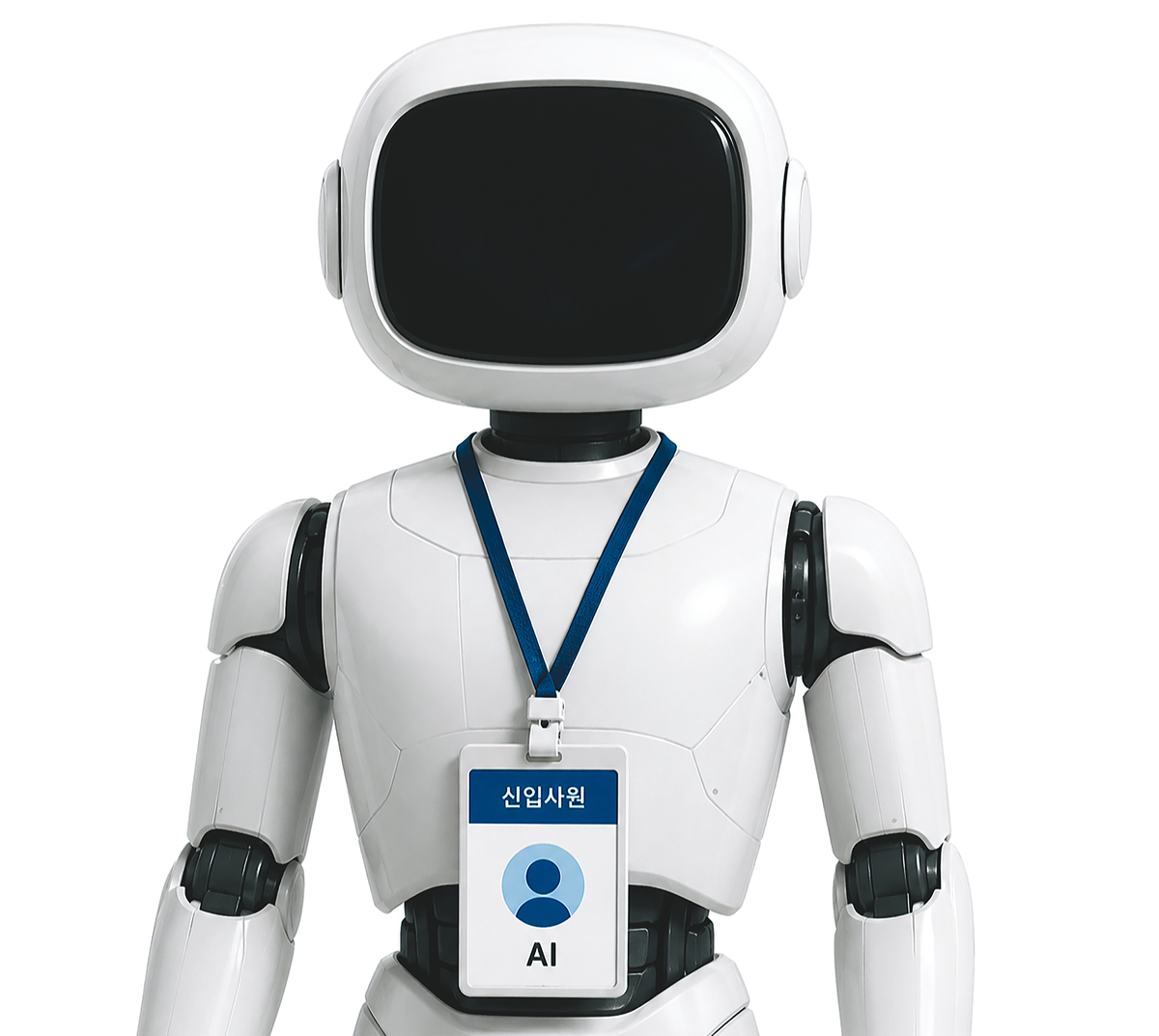
Job Ads for AI-Exposed Occupations Fall 11%, With Meter Readers and Parking Attendants Especially Vulnerable
Translated from Korean and summarized by DistantNews. Read the original for the full story.
At a glance
News
Documents & data
Context piece
- Average job postings for occupations highly exposed to AI fell 10.9% from 2020 through last year in South Korea.
- Postings for medium-exposure occupations rose 15.7%, while those for low-exposure occupations increased 25.9%.
- The Korea Employment Information Service identified particularly sharp declines in several technology, analysis and customer-service occupations, including content operators and inbound telemarketers.
South Korea’s job market is beginning to show the impact of artificial intelligence, with postings for highly exposed occupations declining while demand rises for jobs less vulnerable to automation.
A Korea Employment Information Service report found that average postings for high-exposure occupations fell 10.9% between 2020 and last year. Over the same period, postings for medium-exposure jobs increased 15.7%, and postings for low-exposure jobs rose 25.9%.
The agency calculated AI exposure across 923 occupations by examining how much of each job’s detailed work could be performed or assisted by artificial intelligence. The occupations with the steepest declines included content and website operators, web programmers, systems programmers, technical sales workers, research, analysis and statistics workers, and inbound telemarketers.
The findings point to a labor-market shift as AI takes over routine tasks more quickly. Meter readers and parking attendants were identified in the headline as especially vulnerable, showing that the pressure extends beyond office-based technology roles.
About this summary
Originally published by Dong-A Ilbo in Korean. Translated, summarized, and contextualized automatically by DistantNews, with a note on how the source frames the story. Not individually reviewed before publishing. How this works.
More Stories


From Our Blog

What Gets Lost (and Found) When News Is Translated

The Critical Role of Diaspora Media in Global News

What Travellers Should Know About Countries with Restricted Press

A Digital Nomad's Guide to Following Local News

How the Same Story Looks Different in Different Countries
