


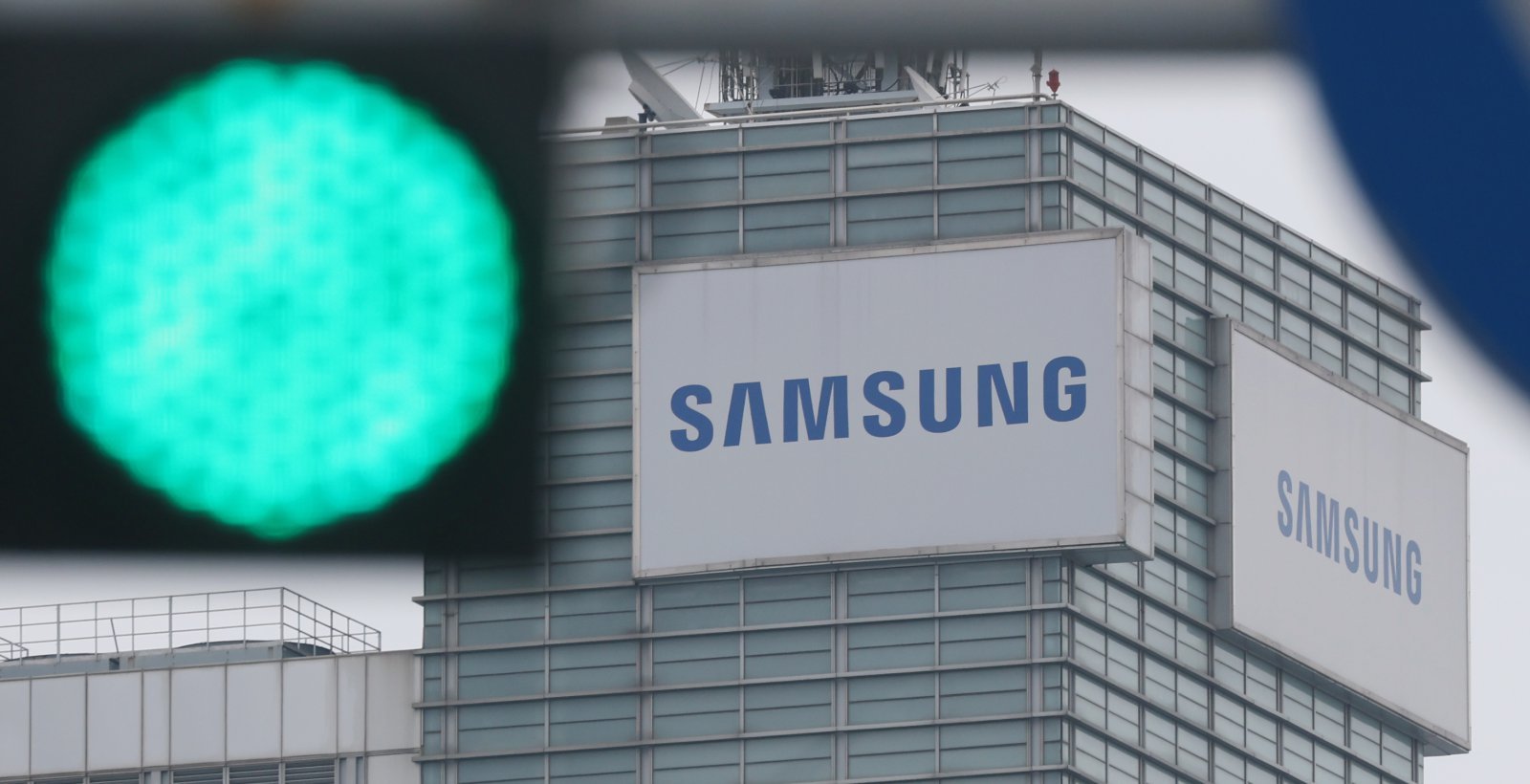
JP Morgan: Samsung Electronics Undervalued, Share Buyback Choice Questioned
Translated from Korean, summarized and contextualized by DistantNews.
At a glance
News
Sources not specified
Context piece
- JP Morgan maintains an 'Overweight' rating and a target price of 400,000 won for Samsung Electronics, expecting more detailed shareholder return policies in January 2027.
- While the total shareholder return plan of up to 110 trillion won meets expectations, the absence of a share buyback announcement and a lower-than-expected third-quarter return are seen as short-term disappointments.
- The bank notes Samsung's solid second-quarter performance, with improvements in memory, HBM, and foundry businesses, and highlights the company's strong LTA coverage in the memory sector.
JP Morgan has reiterated its 'Overweight' rating and a target price of 400,000 won for Samsung Electronics, anticipating more concrete shareholder return policies in January 2027. The investment bank views the company's announced shareholder return plan, potentially reaching up to 110 trillion won by 2026, as largely meeting expectations in terms of total value.
However, JP Morgan pointed to several factors that could disappoint investors in the short term. These include the lack of an immediate share buyback announcement and the fact that the confirmed return for the third quarter falls short of market expectations. The bank noted that the 30 trillion won allocated for the third quarter represents about 25% of the operating cash flow after capital expenditures for the first half of the year, which is below the previous policy of returning 50% of free cash flow (FCF).
The bank also expressed confusion regarding Samsung's decision to prioritize dividends over share buybacks. JP Morgan suggested that many investors would likely prefer share repurchases at the current undervalued valuation, believing it to be a more effective way to enhance shareholder value. Despite these concerns, JP Morgan acknowledged Samsung's better-than-expected second-quarter results.
JP Morgan's assessment of the second quarter highlighted robust memory performance, even after accounting for personnel cost provisions. The bank also observed signs of improved execution in Samsung's High Bandwidth Memory (HBM) and foundry businesses. The strategy of balancing product mixes for HBM and general DRAM, coupled with proactive long-term supply agreements (LTAs), increases confidence in the sustainability of the memory upcycle. Samsung's target LTA coverage of 60-70% is noted as one of the highest in the memory industry.
DistantNews Editorial
Originally published by Dong-A Ilbo in Korean. Translated, summarized, and contextualized by our editorial team with added local perspective. Read our editorial standards.
More Stories



From Our Blog

What Gets Lost (and Found) When News Is Translated

The Critical Role of Diaspora Media in Global News

What Travellers Should Know About Countries with Restricted Press

A Digital Nomad's Guide to Following Local News

How the Same Story Looks Different in Different Countries
