


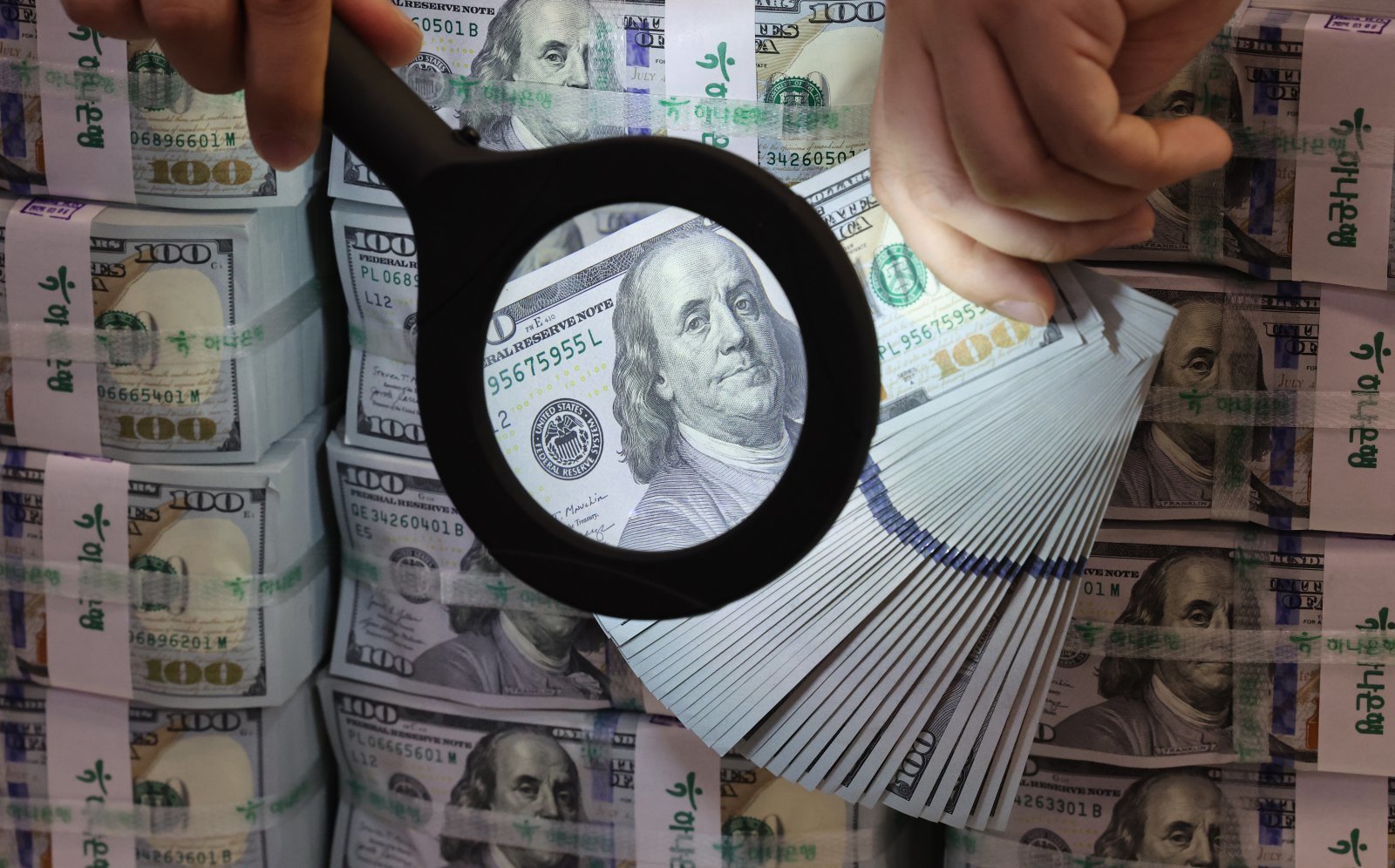
South Korean Investors Hit by 'Exchange Rate Betrayal' as Won Strengthens
Translated from Korean, summarized and contextualized by DistantNews.
At a glance
News
Sources not specified
Context piece
- The recent drop in the won-dollar exchange rate to below 1,380 won is negatively impacting overseas asset investments for South Koreans.
- Investors in products without currency hedging are experiencing losses due to exchange rate fluctuations, even when the underlying assets perform well.
- Experts advise utilizing currency hedging strategies for overseas ETF investments due to the expectation of a limited rise in the exchange rate.
The recent sharp decline in the won-dollar exchange rate, falling below 1,380 won, is creating unexpected headwinds for South Korean investors holding overseas assets. This currency depreciation is causing significant losses, known as exchange rate losses (환차손), even when the underlying assets themselves are appreciating.
This phenomenon is particularly evident in Exchange Traded Funds (ETFs). For instance, the 'TIGER US S&P500' ETF, which tracks the S&P 500 index without currency hedging, saw a return of -0.94% this month. In contrast, its hedged counterpart, 'TIGER US S&P500 (H)', which protects against currency fluctuations, achieved a gain of 2.19% over the same period, a difference of 3.13 percentage points.
Similar trends are observed in other asset classes. Even in gold investments, a traditional safe haven, the unhedged 'ACE KRX Gold Futures' ETF gained 9.09% this month, while the hedged 'KODEX Gold Futures (H)' outperformed with an 11.48% return, benefiting from the currency hedge. This divergence is attributed to the strengthening won, which erodes the value of dollar-denominated assets when converted back into Korean currency.
Experts are now strongly recommending the use of currency hedging strategies for overseas ETF investments. The prevailing view is that the won-dollar exchange rate is likely to remain capped, fluctuating between the late 1,300s and early 1,400s won. This outlook is driven by global currency trends, including diminished expectations for further US Federal Reserve interest rate hikes. As one analyst noted, rates below 1,400 won may see increased demand from importers and foreign investors, leading to a range-bound movement rather than a continued sharp decline.
DistantNews Editorial
Originally published by Dong-A Ilbo in Korean. Translated, summarized, and contextualized by our editorial team with added local perspective. Read our editorial standards.
More Stories


From Our Blog

What Gets Lost (and Found) When News Is Translated

The Critical Role of Diaspora Media in Global News

What Travellers Should Know About Countries with Restricted Press

A Digital Nomad's Guide to Following Local News

How the Same Story Looks Different in Different Countries
