


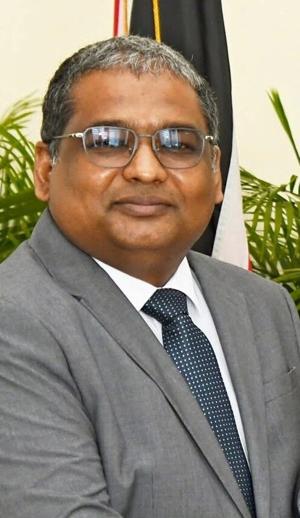
Judge Rejects State Request to Keep Attorneys Anonymous
Translated from English and summarized by DistantNews. Read the original for the full story.
At a glance
News
Official statement
In the courts
- Trinidad and Tobago’s High Court rejected a request to keep State attorneys anonymous in judicial review proceedings brought by Jason Beetam.
- Justice Vigel Paul said restrictions on open justice require clear and compelling evidence, and that general references to gang-related security concerns did not meet that standard.
- The judge said any future request should be made formally between the parties and supported by affidavit evidence.
A Trinidad and Tobago judge has refused to let State attorneys disappear from the public record in judicial review proceedings brought by Jason Beetam. Justice Vigel Paul rejected the request after finding that it did not satisfy the strict requirements for departing from open justice.
The ruling was delivered on July 23 in the High Court case involving Beetam, Corporal Morris and the Attorney General of Trinidad and Tobago. The Solicitor General had asked in a July 15 letter for the State lawyers to remain fully anonymous.
The proposed protections went beyond keeping their names out of court documents. The attorneys would not have appeared on screen during virtual hearings and would not have been required to identify themselves in court or online. The State said similar protections had been sought in emergency-related matters involving people charged with or convicted of serious offences allegedly linked to gang culture.
Justice Paul said court proceedings generally must take place in public and that any restriction is exceptional. The party seeking secrecy must establish its necessity with clear and cogent evidence. He noted that recognised exceptions to open justice protect parties, witnesses, vulnerable people or the administration of justice, but found no authority showing that the same exception covered legal representatives.
The judge described attorneys-at-law and legal officers as officers of the court and counsel of record, making their identities part of transparency and accountability. Concealing State agents, he said, could undermine those principles and prevent a litigant from raising legitimate allegations of misconduct. He also ruled that general references to gang culture and security concerns were insufficient, and said a private confidential letter on a contested issue amounted to an ex parte communication.
About this summary
Originally published by Trinidad Express in English. Translated, summarized, and contextualized automatically by DistantNews, with a note on how the source frames the story. Not individually reviewed before publishing. How this works.
More Stories



From Our Blog

What Gets Lost (and Found) When News Is Translated

The Critical Role of Diaspora Media in Global News

What Travellers Should Know About Countries with Restricted Press

A Digital Nomad's Guide to Following Local News

How the Same Story Looks Different in Different Countries
