


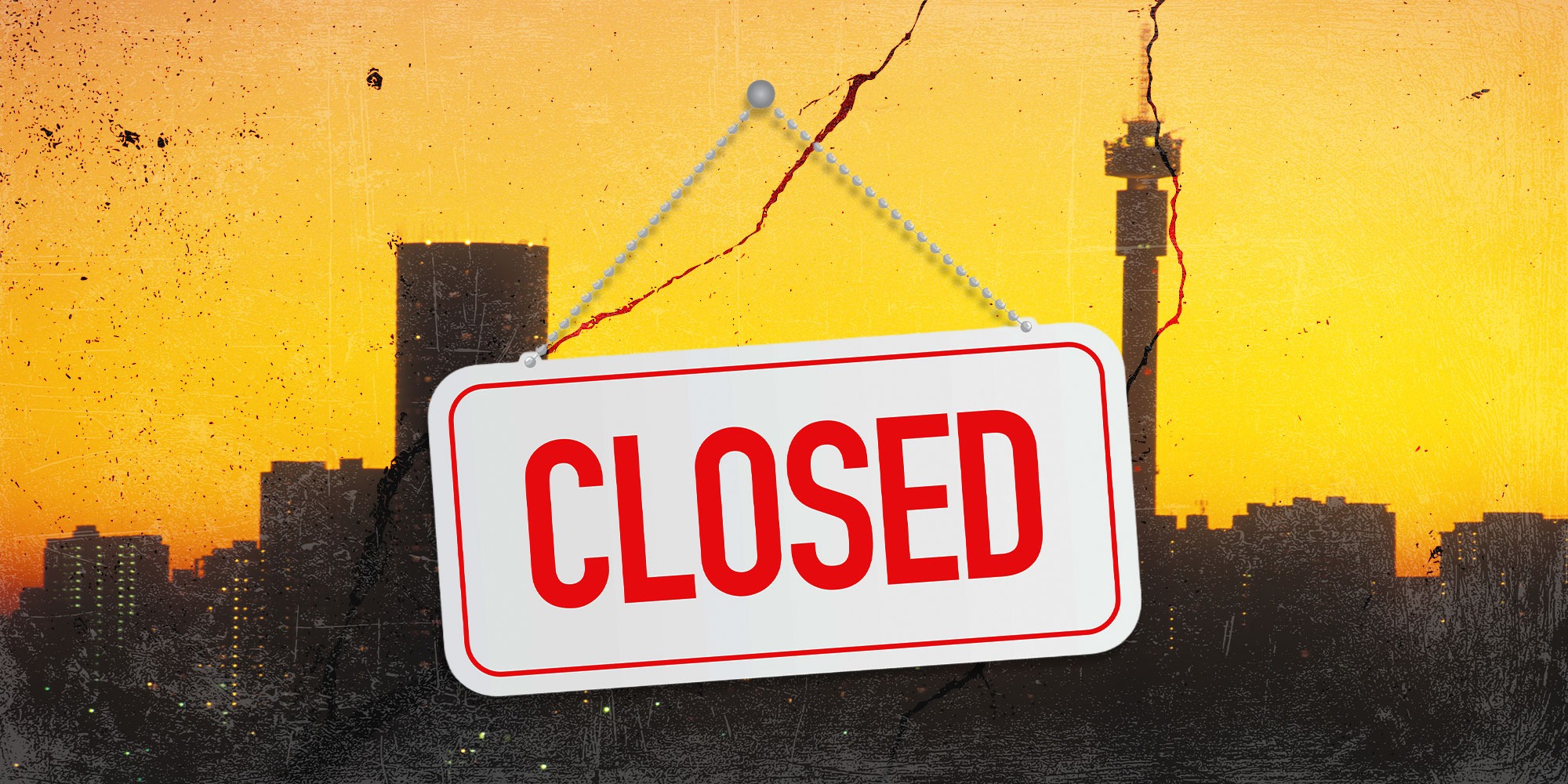

JUDICIARY OP-ED: JSC settlement forces transparency in judicial appointments
Translated from English and summarized by DistantNews. Read the original for the full story.
At a glance
Opinion
Named sources
Outcome reported
- Freedom Under Law challenged the Judicial Service Commission’s process for interviewing candidates for four Supreme Court of Appeal vacancies in October 2023.
- The JSC recommended only two candidates from a field of 10, leaving two vacancies open and prompting litigation over its decision-making.
- The settlement includes public consultation on appointment criteria, which the article presents as a gain for transparency and the rule of law.
Judicial appointments are too important to leave behind closed doors, and a settlement involving South Africa’s Judicial Service Commission now requires greater public transparency, this opinion article argues.
The judiciary has broad constitutional powers to test government conduct and develop the law. The Judicial Service Commission sits at the centre of that system. It effectively selects judges for the superior courts below the Constitutional Court, while the president formally appoints them and must follow its recommendations. It also plays a key role in selecting Constitutional Court judges and must be consulted on the leadership of the Constitutional Court and Supreme Court of Appeal.
The dispute arose from the JSC’s October 2023 interviews for four vacancies on the Supreme Court of Appeal, the country’s second-highest court. The commission interviewed 10 candidates but recommended only two, leaving two positions unfilled. The decision appeared particularly difficult to explain because several highly regarded candidates were passed over. Two of them, judges John Smith and David Unterhalter, were later appointed to the court.
Freedom Under Law challenged the process in court. Its litigation sought, among other things, to compel the JSC to determine whether the remaining candidates were fit for appointment. The case has now been settled.
The article describes the settlement as an important safeguard for constitutional democracy and the rule of law. It argues that the JSC must be held to a high standard because flawed appointment decisions can leave strong candidates aside, place unsuitable candidates on the bench or leave important vacancies open. Public consultation on the criteria used to select judges is presented as a step toward restoring confidence in the process.
About this summary
Originally published by Daily Maverick in English. Translated, summarized, and contextualized automatically by DistantNews, with a note on how the source frames the story. Not individually reviewed before publishing. How this works.
More Stories

From Our Blog

News in Translation: What Gets Lost, and How We Keep the Framing

Diaspora Media: How Communities Follow News From Home

Traveling Where the Press Is Not Free: How to Read the News There

The Digital Nomad's Guide to Local News

The Same Story, Different Countries: How Coverage Changes at the Border
