


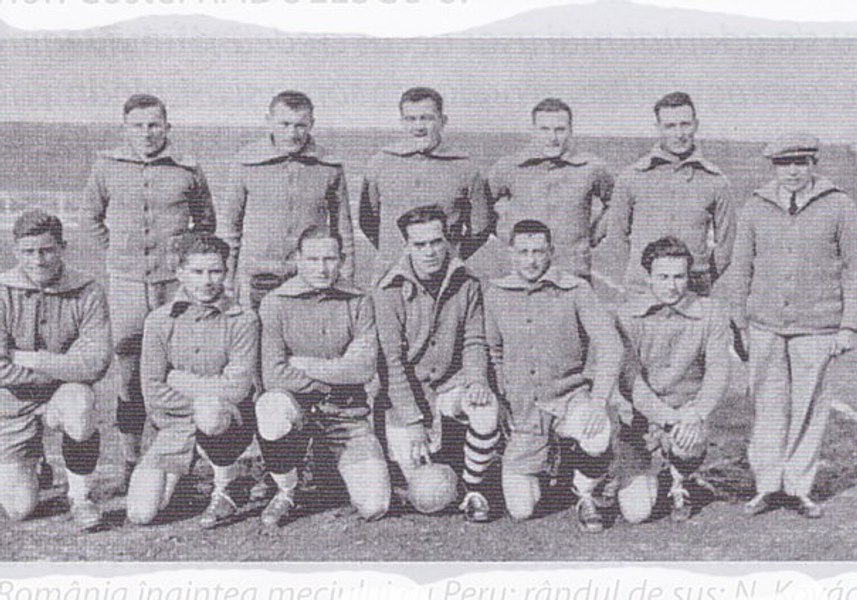
July 13: How the First World Cup in 1930, Featuring Romania, Looked
Translated from Romanian, summarized and contextualized by DistantNews.
At a glance
In-depth
Sources not specified
Context piece
- On July 13, 1930, the first FIFA World Cup kicked off in Uruguay, featuring Romania among the 13 participating teams.
- The article also notes other historical events on July 13, including Serbia, Montenegro, and Romania gaining independence from the Ottoman Empire in 1878 and a cholera epidemic in the Romanian Army in 1913.
- The 1930 World Cup was hosted by Uruguay to celebrate its constitution's centenary and its status as the reigning Olympic football champion.
On July 13, 1930, the inaugural FIFA World Cup commenced in Uruguay, marking a significant moment in international football history. Romania was among the 13 nations that participated in this pioneering tournament, which was held entirely in the capital city of Montevideo, with most matches taking place at the newly constructed Estadio Centenario.
Uruguay was chosen as the host nation not only because it was celebrating the centenary of its first constitution but also because it was the reigning Olympic champion in football. The tournament brought together teams from Europe and South America, with seven nations hailing from the Americas.
Beyond the footballing milestone, the date July 13 holds other historical significance. In 1878, Serbia, Montenegro, and Romania officially gained full independence from the Ottoman Empire following the adoption of the Treaty of Berlin, which revised the terms of the Treaty of San Stefano and curtailed Russian influence in the Balkans. Earlier, in 1913, the Romanian Army experienced a severe cholera epidemic during the Second Balkan War. Despite Romania's territorial gains in Southern Dobruja after the war, the victory was overshadowed by the epidemic, which sickened over 11,500 soldiers and claimed more than 1,600 lives, exceeding combat casualties.
The cholera outbreak spread rapidly through Romanian units due to commanders failing to implement adequate preventive measures. Infected water sources in Bulgaria, where Romanian troops were advancing, contributed to the contamination. Reports from reservist officers indicated that more attention was given to cavalry horses than to the soldiers themselves. Despite warnings about poor sanitary conditions, Romanian authorities did not adequately anticipate the epidemic. Princess Maria later organized extensive quarantine systems and field hospitals, an experience she would later draw upon during World War I.
DistantNews Editorial
Originally published by Adevărul in Romanian. Translated, summarized, and contextualized by our editorial team with added local perspective. Read our editorial standards.
More Stories


From Our Blog

What Gets Lost (and Found) When News Is Translated

The Critical Role of Diaspora Media in Global News

What Travellers Should Know About Countries with Restricted Press

A Digital Nomad's Guide to Following Local News

How the Same Story Looks Different in Different Countries
