



July 2026's full moon, the 'Stag Moon,' arrives July 29
Translated from Spanish, summarized and contextualized by DistantNews.
At a glance
News
Sources not specified
Context piece
- July 2026's full moon, known as the "Stag Moon," will occur on Wednesday, July 29.
- The name "Stag Moon" originates from Indigenous North American traditions, referencing the growth of new antlers on male deer.
- This full moon coincides with Jupiter's solar conjunction and precedes a lunar eclipse on August 27.
The July 2026 full moon, widely known as the "Stag Moon" in the Northern Hemisphere, will illuminate the night sky on Wednesday, July 29. This celestial event occurs when the Moon and Sun are on opposite sides of Earth, resulting in the Moon appearing fully illuminated.
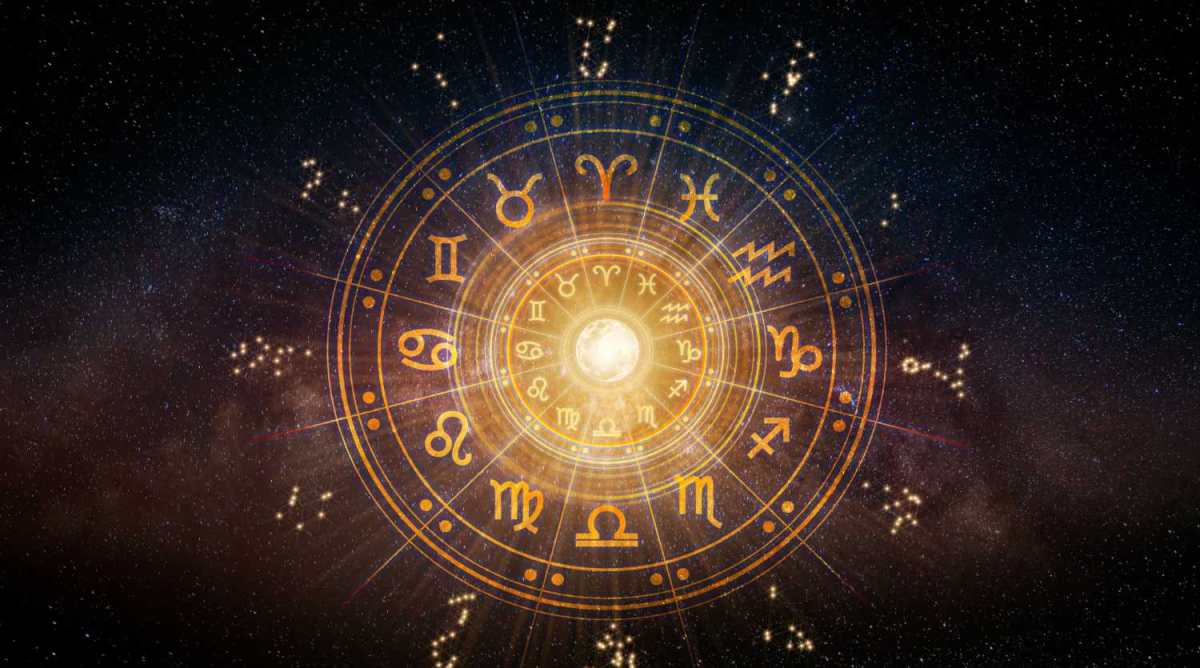
While the exact moment of the full moon is brief, the lunar disk will appear large and bright for several consecutive nights, including July 28, 29, and 30. During this period, the Moon will be positioned in the constellation Capricorn, though astrologically it is associated with Aquarius. This discrepancy arises from the different criteria used by astronomy and astrology to divide the sky.
The "Stag Moon" designation stems from Indigenous North American cultures that observed the beginning of new antler growth in male deer during July. This natural phenomenon marked a recognizable point in the annual cycle, eventually lending its name to the month's full moon. Other names for this full moon include the "Thunder Moon," due to frequent summer storms, and the "Salmon Moon" in Alaska, coinciding with the fish's spawning season.
This lunar event also marks a temporary closure for observing Jupiter, which will reach its solar conjunction on the same date, making it invisible from Earth for several weeks. Furthermore, the Stag Moon will be the final full moon preceding the lunar eclipse scheduled for August 27.
DistantNews Editorial
Originally published by Prensa Libre in Spanish. Translated, summarized, and contextualized by our editorial team with added local perspective. Read our editorial standards.
More Stories


From Our Blog

What Gets Lost (and Found) When News Is Translated

The Critical Role of Diaspora Media in Global News

What Travellers Should Know About Countries with Restricted Press

A Digital Nomad's Guide to Following Local News

How the Same Story Looks Different in Different Countries
