

Jurisdictional dispute leaves most bribery charges against audit official dropped
Translated from Korean, summarized and contextualized by DistantNews.
TLDR
- A South Korean high-ranking official from the Board of Audit and Inspection is facing charges for allegedly receiving bribes, but most charges were dropped due to a lack of evidence.
- A jurisdictional dispute between the Corruption Investigation Office for High-ranking Officials (CIO) and the prosecution led to a year-long investigation vacuum, preventing most of the bribery case from being prosecuted.
- The incident highlights systemic flaws in South Korea's investigative bodies, stemming from unclear regulations on supplementary investigations, potentially leading to similar cases in the future.
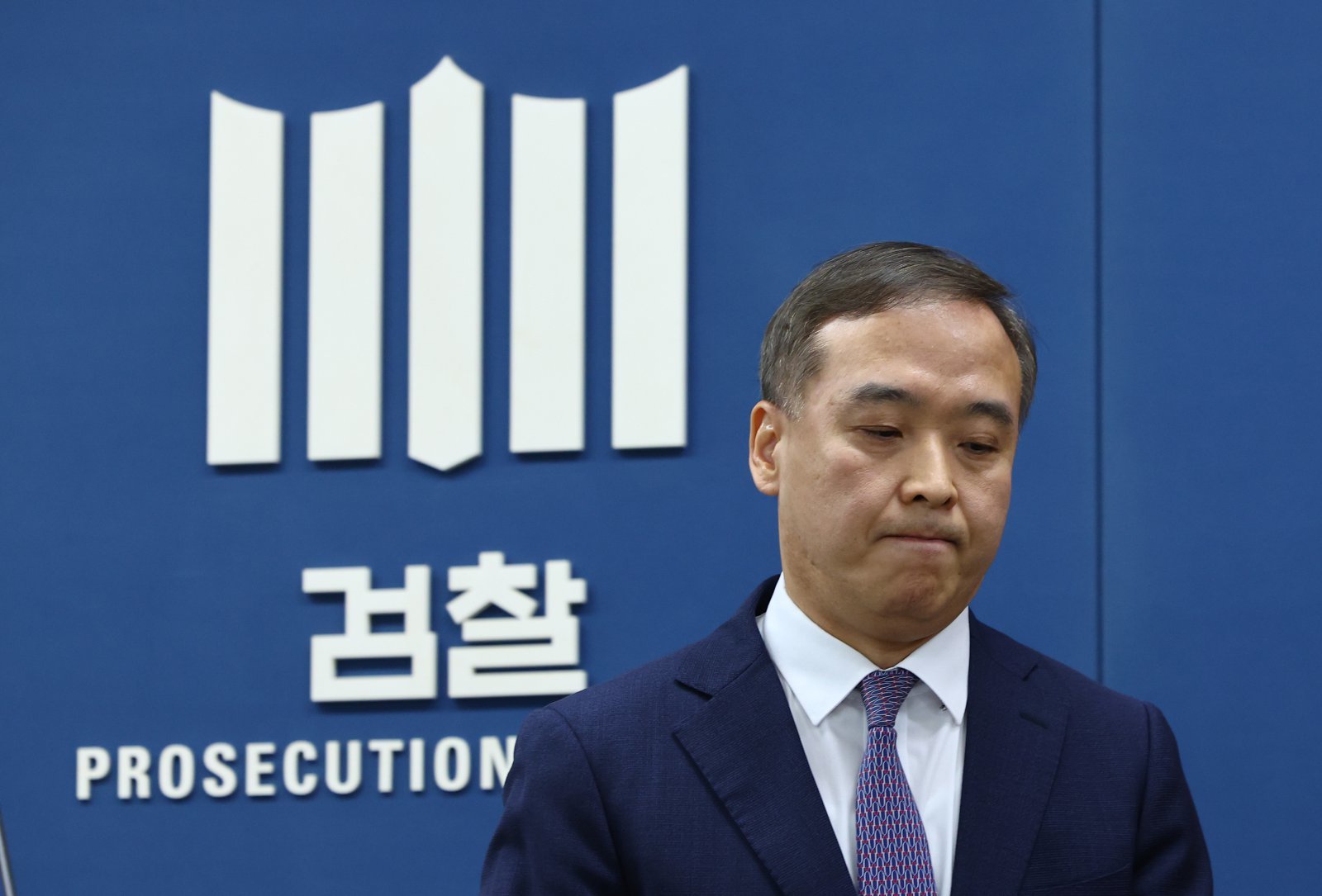
The recent decision to drop most charges against a high-ranking official at the Board of Audit and Inspection, who was accused of accepting substantial bribes, is a stark illustration of the systemic failures plaguing South Korea's investigative agencies. The case, which saw the official indicted on only three counts of bribery totaling 290 million won out of an alleged 1.58 billion won, has been mired in a jurisdictional quagmire between the Corruption Investigation Office for High-ranking Officials (CIO) and the prosecution. This "case ping-pong," as it has been described, has lasted for over a year, creating an investigative vacuum that allowed the statute of limitations to expire on most of the alleged offenses.
The root of this problem lies in the legislative ambiguity surrounding supplementary investigations, particularly after the establishment of the CIO. The law failed to clearly define which agency holds the authority for supplementary investigations, leading to a stalemate where neither the CIO nor the prosecution could effectively proceed. This institutional loophole allowed a significant portion of the alleged bribery to go unpunished, despite the initial request for investigation by the Board of Audit and Inspection itself.
The prosecution's supplementary investigation and direct supplementary investigation were both impossible, and the statute of limitations for some charges was imminent, so we proceeded with the disposition based only on the evidence gathered so far.
From our perspective at Dong-A Ilbo, this is not just a failure of justice in a single case; it's a symptom of a deeper malaise within our legal and investigative framework. The inability of two powerful bodies to cooperate, or even to agree on jurisdiction, undermines public trust and allows the corrupt to evade accountability. The prosecution's statement that they proceeded with the charges based on the available evidence as the statute of limitations neared underscores the severity of the situation. It's a pyrrhic victory, prosecuting a fraction of the alleged crimes because the system failed to function as intended.
This case serves as a critical warning. As the prosecution service undergoes further reforms, with the potential establishment of new investigative bodies, the lack of clear protocols for inter-agency cooperation and supplementary investigations could lead to a recurrence of such failures. The public deserves an investigative system that is efficient, transparent, and, above all, capable of holding the powerful accountable. The current situation, where a high-ranking official can seemingly escape justice due to bureaucratic infighting, is unacceptable and demands immediate legislative and institutional reform.
If the system for supplementary investigation requests and supplementary investigations between investigative agencies such as the soon-to-be-established Serious Crime Investigation Office or the police after the abolition of the Prosecutor's Office in October is not properly established, such cases may be repeated.
DistantNews Editorial
Originally published by Dong-A Ilbo in Korean. Translated, summarized, and contextualized by our editorial team with added local perspective. Read our editorial standards.
More Stories


From Our Blog

What Gets Lost (and Found) When News Is Translated

The Critical Role of Diaspora Media in Global News

What Travellers Should Know About Countries with Restricted Press

A Digital Nomad's Guide to Following Local News

How the Same Story Looks Different in Different Countries
