


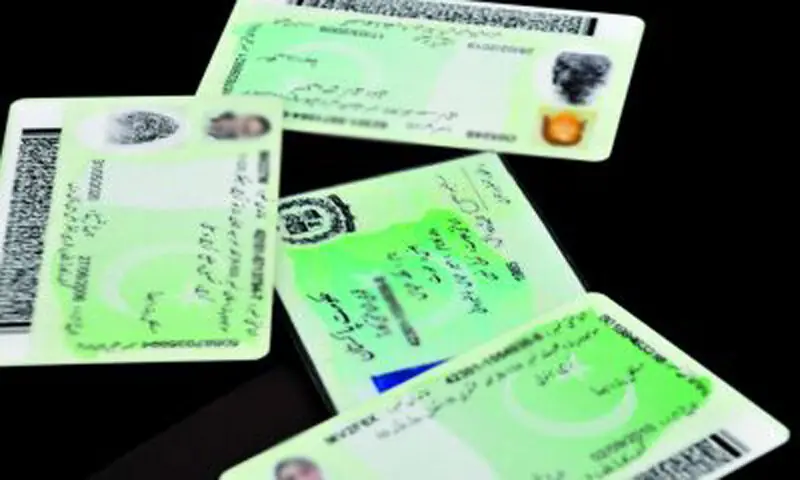
Juvenile ID Rule for MDCAT Leaves Parents Fuming
Translated from English, summarized and contextualized by DistantNews.
TLDR
- The Pakistan Medical and Dental Council (PMDC) now requires a Juvenile Registration Card for candidates under 18 to take the MDCAT exam.
- Parents are concerned about the added costs, long queues, and short validity of these cards.
- Approximately 200,000 aspirants are expected to be affected by this new regulation.
The Pakistan Medical and Dental Council's (PMDC) recent mandate requiring a Juvenile Registration Card for all candidates under 18 appearing for the Medical and Dental Colleges Admission Test (MDCAT) has sparked considerable outrage among parents and students. This new regulation, which includes mandatory biometric verification, places an undue financial and logistical burden on families already struggling with the costs associated with higher education. Many parents, like Sohail Jamil, express deep frustration, calling the requirement "unfortunate" and a significant additional expense. The short validity of these cards, often expiring before the candidate turns 18, further exacerbates the problem, as highlighted by Bilal Ahmed, who points out the wasted effort and money involved.
My daughter is just 17 years old and she will remain a juvenile till the date of MDCAT. I am already hand to mouth and now PMDC has been pushing me to spend more amount on the Juvenile Registration Card. It is nothing but unfortunate.
While the PMDC Registrar, Dr. Rehan Naqvi, claims the decision is for "sensitisation of masses" and part of a digitization push, the practical implications for the estimated 200,000 aspirants are severe. The council's acknowledgment that the card will expire within a year for many applicants does little to assuage concerns. This decision, made without adequate consultation with stakeholders, reflects a disconnect between regulatory bodies and the realities faced by Pakistani families striving for their children's education. Dawn, as a publication committed to highlighting public concerns, believes such policies require thorough consideration of their impact on the populace.
Around 200,000 candidates and their parents will be badly affected by the decision.
DistantNews Editorial
Originally published by Dawn in English. Translated, summarized, and contextualized by our editorial team with added local perspective. Read our editorial standards.
More Stories



From Our Blog

What Gets Lost (and Found) When News Is Translated

The Critical Role of Diaspora Media in Global News

What Travellers Should Know About Countries with Restricted Press

A Digital Nomad's Guide to Following Local News

How the Same Story Looks Different in Different Countries
