


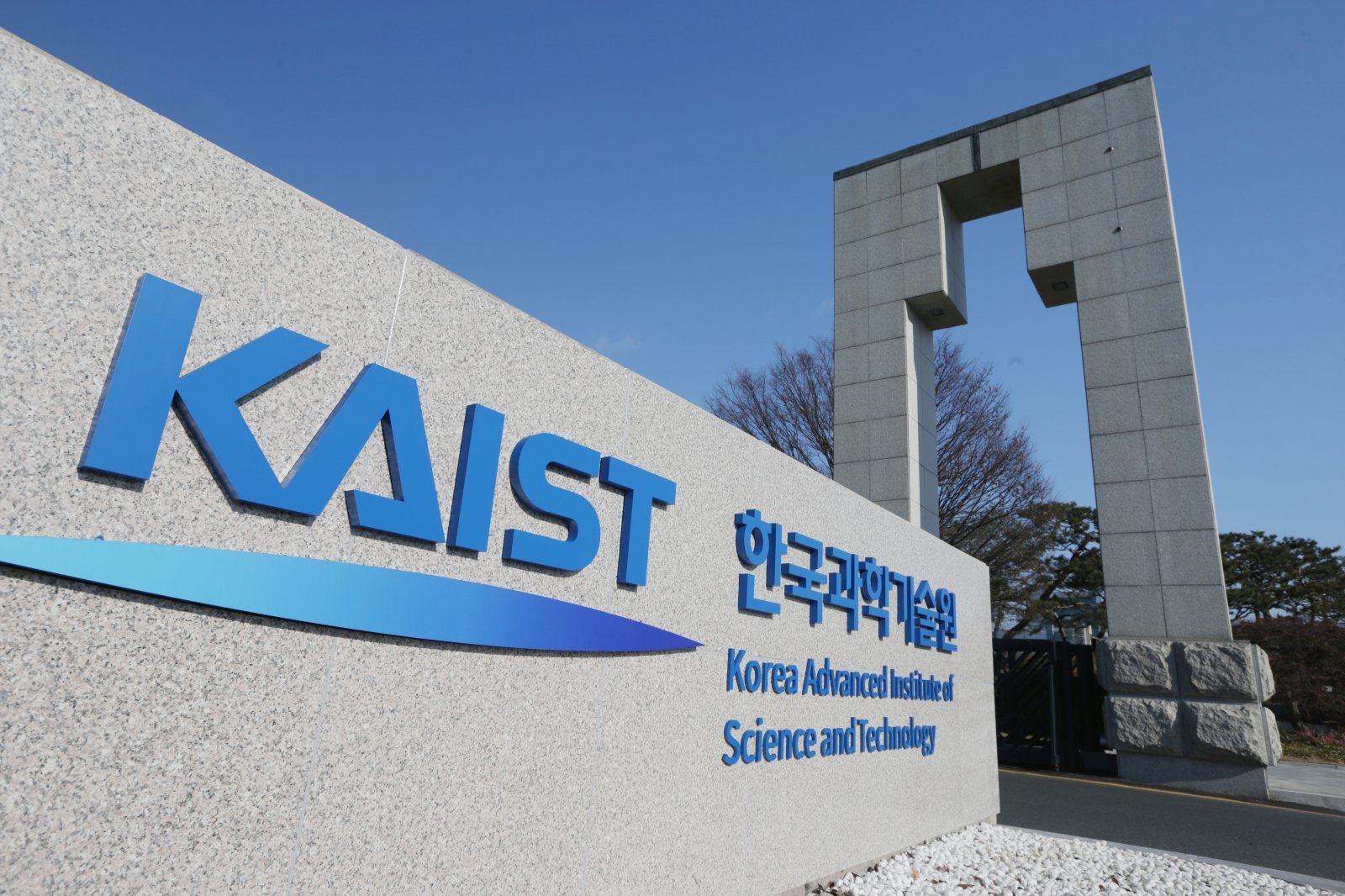
KAIST to introduce AI usage grades for all courses, offering customized learning
Translated from Korean, summarized and contextualized by DistantNews.
At a glance
News
Sources not specified
New plan
- KAIST will introduce AI usage grades for all courses starting March next year.
- The university aims to provide customized learning experiences based on AI integration levels.
- New students will also receive entrepreneurship education immediately upon admission.
The Korea Advanced Institute of Science and Technology (KAIST) is set to implement a new system that assigns AI usage grades to all its courses, aiming to offer tailored learning experiences for students. This initiative, announced by KAIST's new president Bae Chung-shik, will categorize courses into three levels based on AI integration.
Starting in March of next year, courses will be classified as 'independent,' 'expansion,' or 'leading.' 'Independent' courses, typically in humanities and basic sciences, will encourage minimal AI use to foster independent thinking and foundational skills. 'Expansion' courses will leverage AI to broaden and deepen learning, while 'leading' courses, particularly in engineering, will focus on students actively designing and utilizing AI.
The more it is the AI era, the more important unique human thinking is. By adding AI capabilities on top of the basics, we will enable all students to utilize AI proactively.
President Bae emphasized the importance of human-centric thinking even in the age of AI. "The more it is the AI era, the more important unique human thinking is," he stated. "By adding AI capabilities on top of the basics, we will enable all students to utilize AI proactively."
In addition to the AI grading system, KAIST will also enhance its entrepreneurship education. New students will begin learning about technology startup cases and interact with entrepreneurs immediately after admission, aiming to equip them with the skills to transform ideas into businesses. President Bae expressed his ambition for KAIST to set new standards for universities and evolve into a national innovation platform shaping the future of science and technology in South Korea.
KAIST's goal is to create new university standards and develop KAIST into a national innovation platform that shapes the future of science and technology in Korea.
DistantNews Editorial
Originally published by Dong-A Ilbo in Korean. Translated, summarized, and contextualized by our editorial team with added local perspective. Read our editorial standards.
More Stories



From Our Blog

What Gets Lost (and Found) When News Is Translated

The Critical Role of Diaspora Media in Global News

What Travellers Should Know About Countries with Restricted Press

A Digital Nomad's Guide to Following Local News

How the Same Story Looks Different in Different Countries
