

Karin Kneissl wants to keep her Austrian citizenship
Translated from German, summarized and contextualized by DistantNews.
At a glance
News
Sources not specified
Context piece
- Former Austrian Foreign Minister Karin Kneissl, who has relocated to Russia, stated she has no intention of seeking Russian citizenship.
- Kneissl described facing "serious problems" in Austria, including legal issues, but wishes to retain her Austrian identity.
- She spoke about the challenges of village life in Russia, particularly alcoholism and the absence of working-age adults, while renovating a house in the Ryazan region.
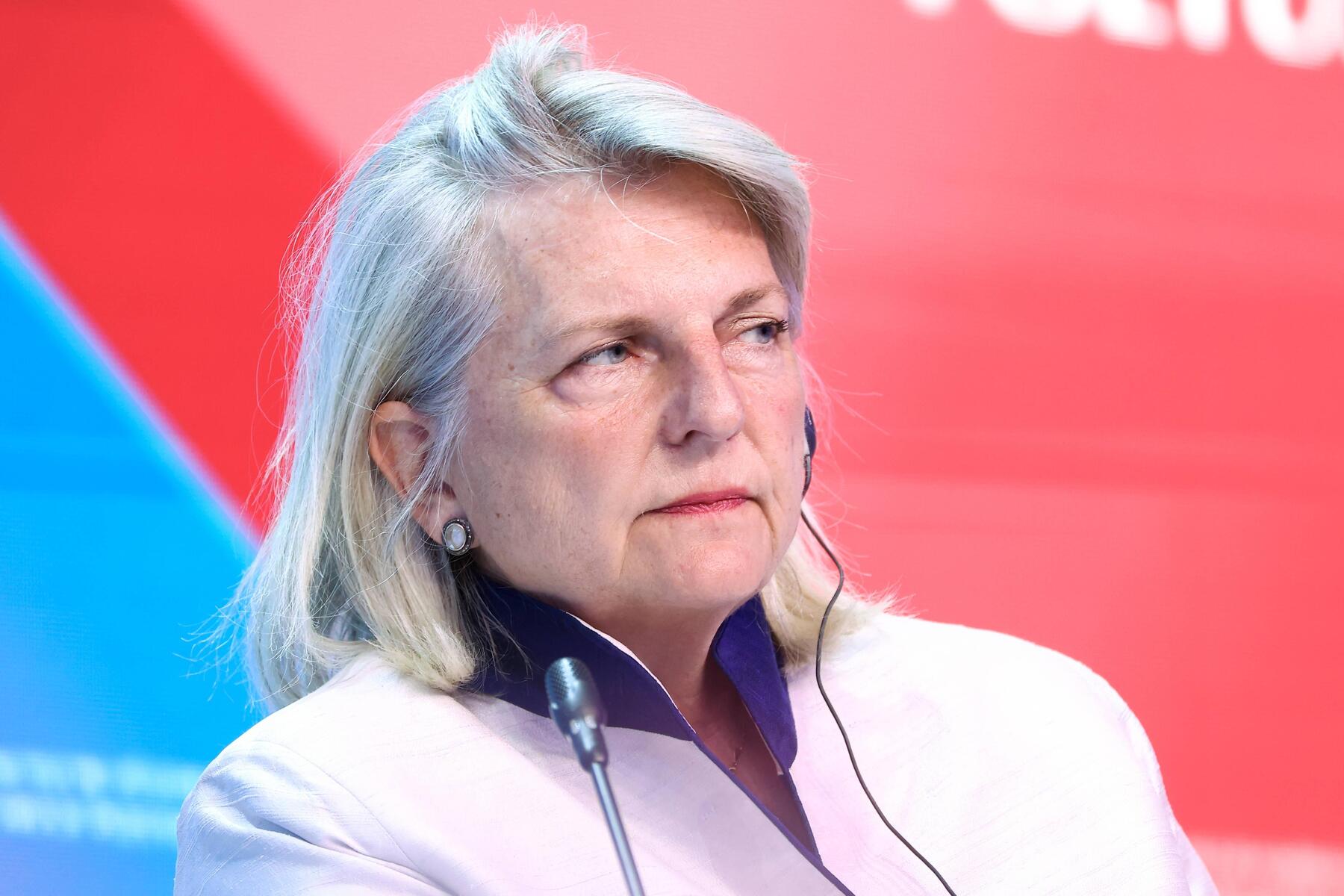
Former Austrian Foreign Minister Karin Kneissl, who has moved to Russia, has stated she does not plan to seek Russian citizenship. In an interview with a local Russian media outlet in the Ryazan region, where she is renovating a house, Kneissl expressed her desire to keep her Austrian identity despite facing significant difficulties in her home country.
Yes, I had serious problems with Austria, not only with politics and the media, but also on a legal level. But I have no intention of changing my identity.
"Yes, I had serious problems with Austria, not only with politics and the media, but also on a legal level. But I have no intention of changing my identity," she told the local outlet ya62.ru, adding that it was no longer feasible at her age. It remains unclear if her "legal" issues relate to calls from Austrian politicians to revoke her citizenship due to her activities in Russia.
Kneissl, who also heads a Russian geopolitics think tank at St. Petersburg State University, has chosen the village of Giblizy in the Ryazan region, about a four-hour drive east of Moscow, as her residence. She spoke extensively about the problems in Russian villages, noting a scarcity of people between the ages of 15 and 50. She observed that only the elderly and young children, raised by their grandmothers, live in the village.
The worst thing for me is to see mothers who are alcoholics, and their children who are suffering.
She highlighted alcoholism as a significant issue, stating, "The worst thing for me is to see mothers who are alcoholics, and their children who are suffering." Kneissl described the societal problem of mothers prioritizing alcohol purchases over essential groceries. She also addressed the misconception among many Russians that she is wealthy, clarifying that she is not and lacks the funds to hire a construction company for her house renovation, a project that has already taken a considerable toll on her energy, nerves, and health. Despite these challenges, she has no plans to relocate again. "I am not a particularly religious person, but I pray every day for one thing: that I may one day die peacefully in my own home. That is my only wish," she said.
I am not a particularly religious person, but I pray every day for one thing: that I may one day die peacefully in my own home. That is my only wish.
DistantNews Editorial
Originally published by Die Presse in German. Translated, summarized, and contextualized by our editorial team with added local perspective. Read our editorial standards.
More Stories
From Our Blog

What Gets Lost (and Found) When News Is Translated

The Critical Role of Diaspora Media in Global News

What Travellers Should Know About Countries with Restricted Press

A Digital Nomad's Guide to Following Local News

How the Same Story Looks Different in Different Countries
