

Karl-Liebknecht-Stadion Celebrates 50 Years of History and Community Spirit
Translated from German, summarized and contextualized by DistantNews.
At a glance
In-depth
Named sources
New plan
- The Karl-Liebknecht-Stadion in Babelsberg is celebrating its 50th anniversary.
- The stadium was inaugurated on July 10, 1976, with a football match that laid the groundwork for the DDR team's Olympic success.
- Built with assistance from Soviet military vehicles and local workers, the stadium has a unique history, including the use of former border wall segments for its construction.
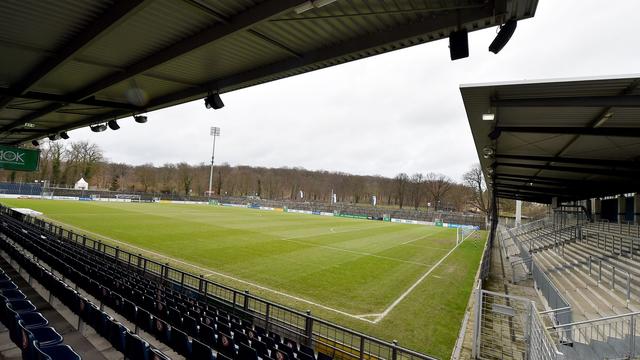
The Karl-Liebknecht-Stadion, affectionately known as "Karli," is set to celebrate its 50th anniversary this Saturday. The stadium's inauguration on July 10, 1976, coincided with a significant victory for the DDR football team, a 5-0 win against BSG Motor Babelsberg. This match, led by coach Georg Buschner, is considered a foundational moment for the team's subsequent gold medal win at the 1976 Montreal Olympics.
Potsdam's non-partisan mayor, Noosha Aubel, described the Karli as more than just a stadium. "Where DDR league games, international matches, and cup finals once took place, and where top-flight men's and women's football excites today, countless memories have been made," she told the German Press Agency. "The Karli is far more than a stadium – it is a place of passion, togetherness, and identification with our city in the heart of the neighborhood."
The stadium's history is deeply intertwined with the Babelsberg neighborhood. Visitors approaching from Babelsberg station walk through a picturesque street of small houses and shops before reaching the Karli. Football has been played on the site for a century, even before the stadium's construction began in 1974. The arena was built in two years, with assistance from Soviet military vehicles and local "Feierabendbrigaden" (after-work brigades), notably excluding a running track much to the dismay of track and field athletes.
Where DDR league games, international matches, and cup finals once took place, and where top-flight men's and women's football excites today, countless memories have been made. The Karli is far more than a stadium – it is a place of passion, togetherness, and identification with our city in the heart of the neighborhood.
Historian Klaus Gallinat noted the Soviet army's role in clearing trees for the construction. Intriguingly, the material for the wall bordering Grenzstraße was reportedly "diverted" from segments intended for the border wall itself, according to the architect. The stadium could initially hold up to 15,000 spectators, with its highest attendance recorded during a 1977 World Cup qualifier against Malta, which the DDR won 9-0 – their largest international victory. Eleven more DDR international matches were held in Babelsberg.
In everyday life, Motor Babelsberg was the home team, moving between the second and third leagues. Following reunification, the club was renamed SV Babelsberg 03. As the team ascended to the second league, construction workers again contributed to the stadium, installing the unique foldable floodlight masts, each 38 meters high, featuring a special hinge mechanism.
The Soviet army helped clear the trees back then. The material for the wall to Grenzstraße was indeed 'diverted' from border wall segments, according to the architect and planner.
DistantNews Editorial
Originally published by Die Zeit in German. Translated, summarized, and contextualized by our editorial team with added local perspective. Read our editorial standards.
More Stories


From Our Blog

What Gets Lost (and Found) When News Is Translated

How the Same Story Looks Different in Different Countries

The Critical Role of Diaspora Media in Global News

What Travellers Should Know About Countries with Restricted Press

A Digital Nomad's Guide to Following Local News
