



Kazakhstan Advances AI Education, Political Reforms Amidst Growing Regional Role
Translated from English, summarized and contextualized by DistantNews.
At a glance
News
Sources not specified
Context piece
- Kazakhstan is expanding AI education from schools to universities, with its first AI university set to enroll 600 students in 2026-27.
- The country is also undergoing political modernization with upcoming Kurultai elections, aiming to strengthen institutions and widen participation.
- International media highlight Kazakhstan's investment prospects and its growing role in Central Asian and Eurasian cooperation.
Kazakhstan is making significant strides in artificial intelligence education, with plans to launch its first AI university in the 2026-27 academic year. This institution aims to enroll 600 students and trainees, signaling a national commitment to developing AI talent. The initiative extends to schools, with a pilot program planned for ten rural schools, indicating a comprehensive approach to integrating AI education across the system.
In addition, the Samruk Kazyna Sovereign Wealth Fund will send 100 of its employees to study under the MBA AI+X program.
Science and Higher Education Minister Sayasat Nurbek announced that the Qazaq AI Research University (QAIRU) will admit 400 students to bachelor's programs, with 308 on state grants. Additionally, 100 students will join master's programs, and 100 employees from the Samruk Kazyna Sovereign Wealth Fund will participate in an MBA AI+X program. This strategic investment in AI talent is crucial for the nation's future technological development.
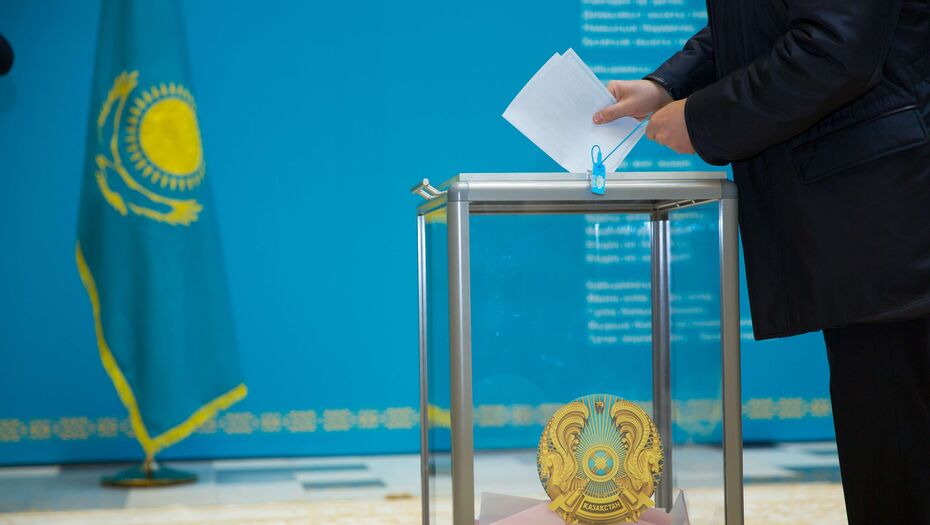
The new Kurultai and the elections to it are part of a broader effort to strengthen representative institutions, widen political participation and build a more resilient political system.
Beyond technology, Kazakhstan is advancing its political landscape. The upcoming Kurultai elections on August 23 mark a key stage in President Kassym-Jomart Tokayev's reform agenda, aimed at strengthening representative institutions and enhancing political participation. Seven political parties are competing, vying to clear the 5% threshold.
Where there is unity, there is strength.
International media outlets are also focusing on Kazakhstan's economic potential and regional influence. Articles highlight the country's investment appeal as an "under-owned but increasingly attractive market" within Eurasia, citing strong economic growth, competitive valuations, and a robust banking sector. Kazakhstan's strategic importance in energy and transport, coupled with its expanding partnership with the European Union, further solidifies its growing role in regional and Eurasian cooperation.
For us, the strength of a modern state rests not only on economic performance, but also on effective institutions, public participation and confidence in the future.
DistantNews Editorial
Originally published by The Astana Times in English. Translated, summarized, and contextualized by our editorial team with added local perspective. Read our editorial standards.
More Stories


From Our Blog

What Gets Lost (and Found) When News Is Translated

The Critical Role of Diaspora Media in Global News

What Travellers Should Know About Countries with Restricted Press

A Digital Nomad's Guide to Following Local News

How the Same Story Looks Different in Different Countries
