

Kazakhstan, Azerbaijan, Uzbekistan plan Caspian Green Energy Corridor to link Central Asia to Europe
Translated from English, summarized and contextualized by DistantNews.
At a glance
News
Named sources
New plan
- Kazakhstan, Azerbaijan, and Uzbekistan are developing the Caspian Green Energy Corridor to export renewable electricity to Europe.
- The project involves a high-voltage submarine cable across the Caspian Sea, connecting Central Asia's green energy sector to European markets via Azerbaijan.
- A feasibility study is underway, supported by major development banks, with the goal of integrating up to five gigawatts of capacity by 2030.
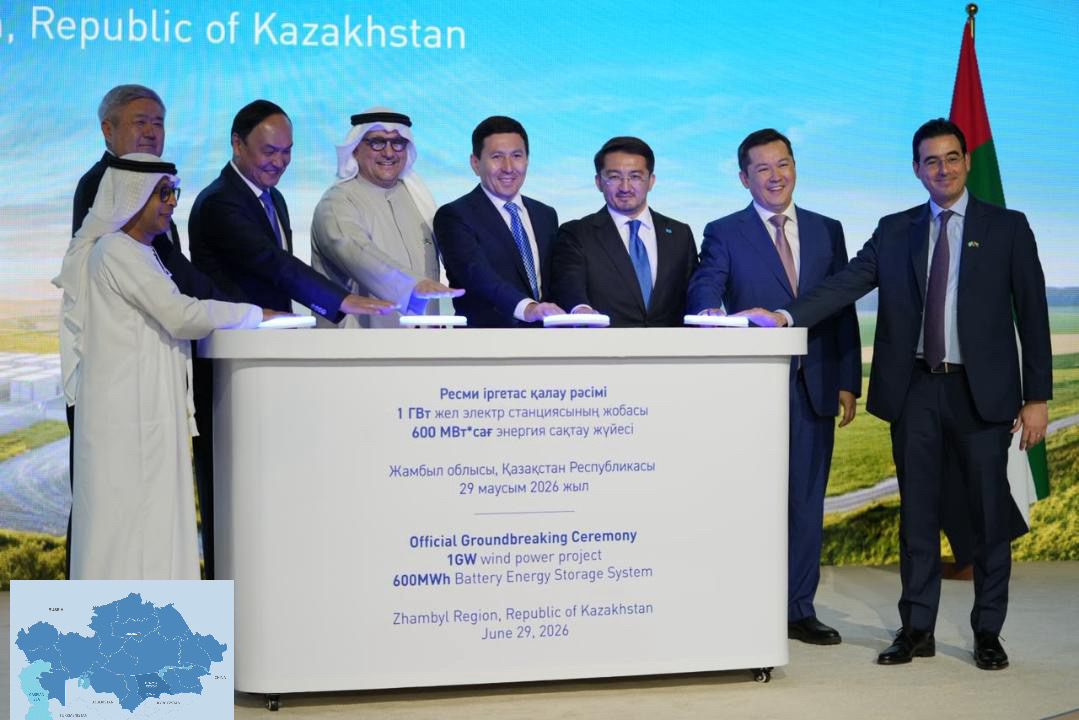
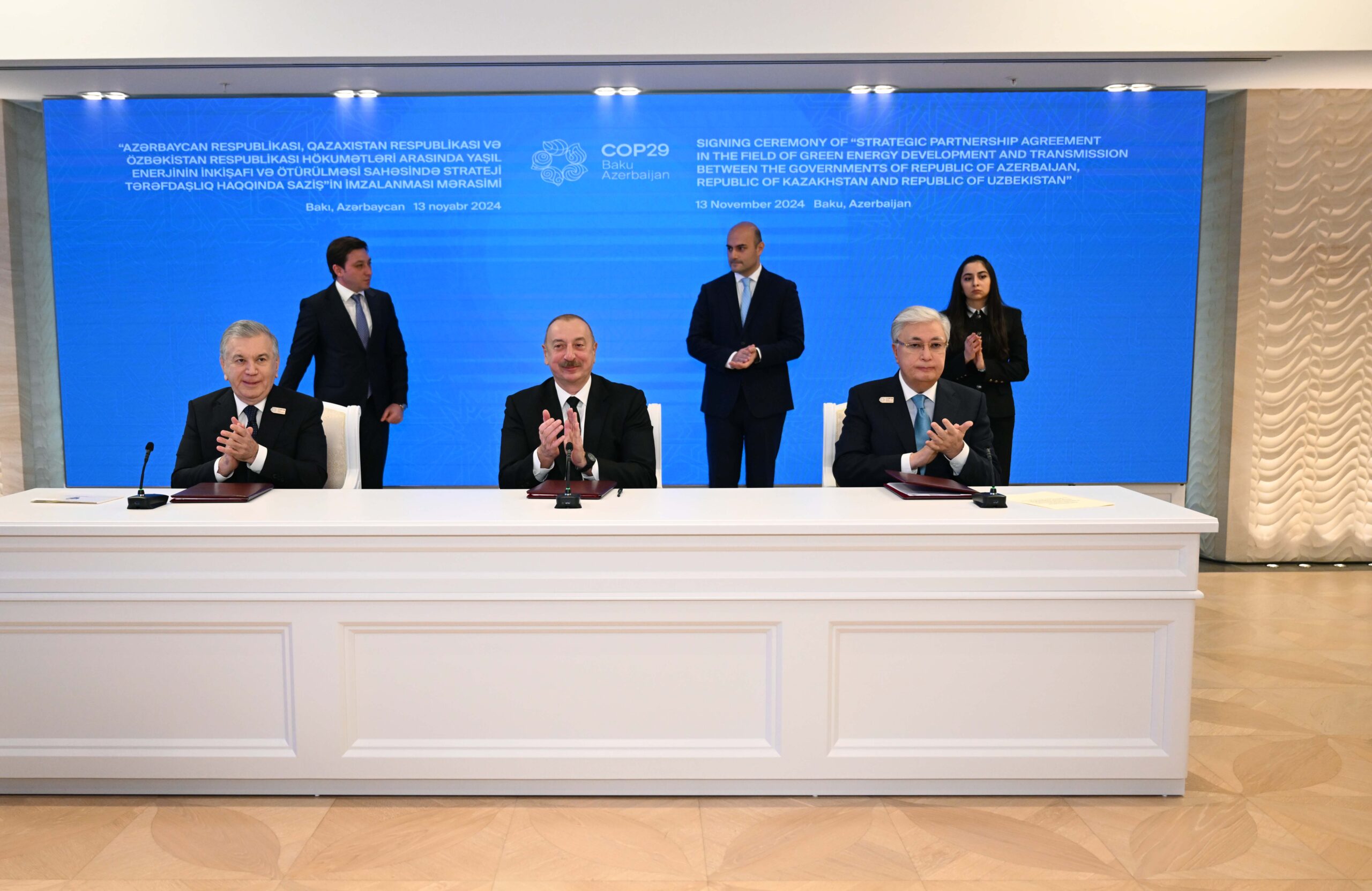
Kazakhstan, Azerbaijan, and Uzbekistan are advancing ambitious plans for the Caspian Green Energy Corridor, a project designed to channel renewable electricity from Central Asia to European markets. This initiative, formalized by an agreement signed by the leaders of the three nations in November 2024, aims to leverage the region's growing renewable energy sector.
The initiative aims to establish a Green Energy Corridor that would enable the export of renewable electricity, hydrogen and green ammonia from Central Asia to Europe via the Caspian Sea.
The core of the project is a planned high-voltage submarine cable that will traverse the Caspian Sea. This infrastructure is intended to connect Central Asia's renewable energy sources directly to European Union electricity markets. "The initiative aims to establish a Green Energy Corridor that would enable the export of renewable electricity, hydrogen and green ammonia from Central Asia to Europe via the Caspian Sea," the Kazakh Energy Ministry stated. The ministry emphasized that this strategic decision would grant Kazakhstan direct access to the EU's electricity markets, facilitated by a similar project planned across the Black Sea.
Infrastructure for this ambitious undertaking will be developed in Kazakhstan's western Mangystau Region. Support for the project's feasibility study has been secured from key financial institutions, including the Asian Development Bank and the Asian Infrastructure Investment Bank, who signed a memorandum of understanding in April 2025. The Italian consulting firm CESI is currently conducting the study, which began in January and is expected to cost approximately $1.2 million.
A key component of the project is the planned construction of a high-voltage direct-current submarine cable across the Caspian Sea. This strategic decision would provide Kazakhstan with direct access to the European Union’s electricity markets through a similar project planned in the Black Sea.
"The study will assess the technical, economic, regulatory, and environmental viability of the proposed infrastructure, laying the foundation for the development of one of the most ambitious green energy corridors connecting Central Asia and Europe," CESI explained. The corridor aims to integrate up to five gigawatts of renewable energy capacity by 2030. To manage the project's implementation, the three countries have established a joint venture called the Green Corridor Alliance, registered in Baku in July 2025.
The study will assess the technical, economic, regulatory, and environmental viability of the proposed infrastructure, laying the foundation for the development of one of the most ambitious green energy corridors connecting Central Asia and Europe.
DistantNews Editorial
Originally published by The Astana Times in English. Translated, summarized, and contextualized by our editorial team with added local perspective. Read our editorial standards.
More Stories


From Our Blog

What Gets Lost (and Found) When News Is Translated

The Critical Role of Diaspora Media in Global News

What Travellers Should Know About Countries with Restricted Press

A Digital Nomad's Guide to Following Local News

How the Same Story Looks Different in Different Countries
