

Kazakhstan Prioritizes Foreign Retail Chains for Higher-Value Exports
Translated from English, summarized and contextualized by DistantNews.
At a glance
News
Official statement
New plan
- Kazakhstan is increasing support for domestic producers to place their goods in major foreign retail chains, aiming to boost higher-value exports.
- Nonresource exports rose 14.5% in the first five months of 2026, with processed goods now accounting for 38.8% of these exports.
- The government is developing measures for certification, logistics, and promotion to help Kazakh products secure shelf space in international retailers like Lulu Hypermarket and Carrefour.
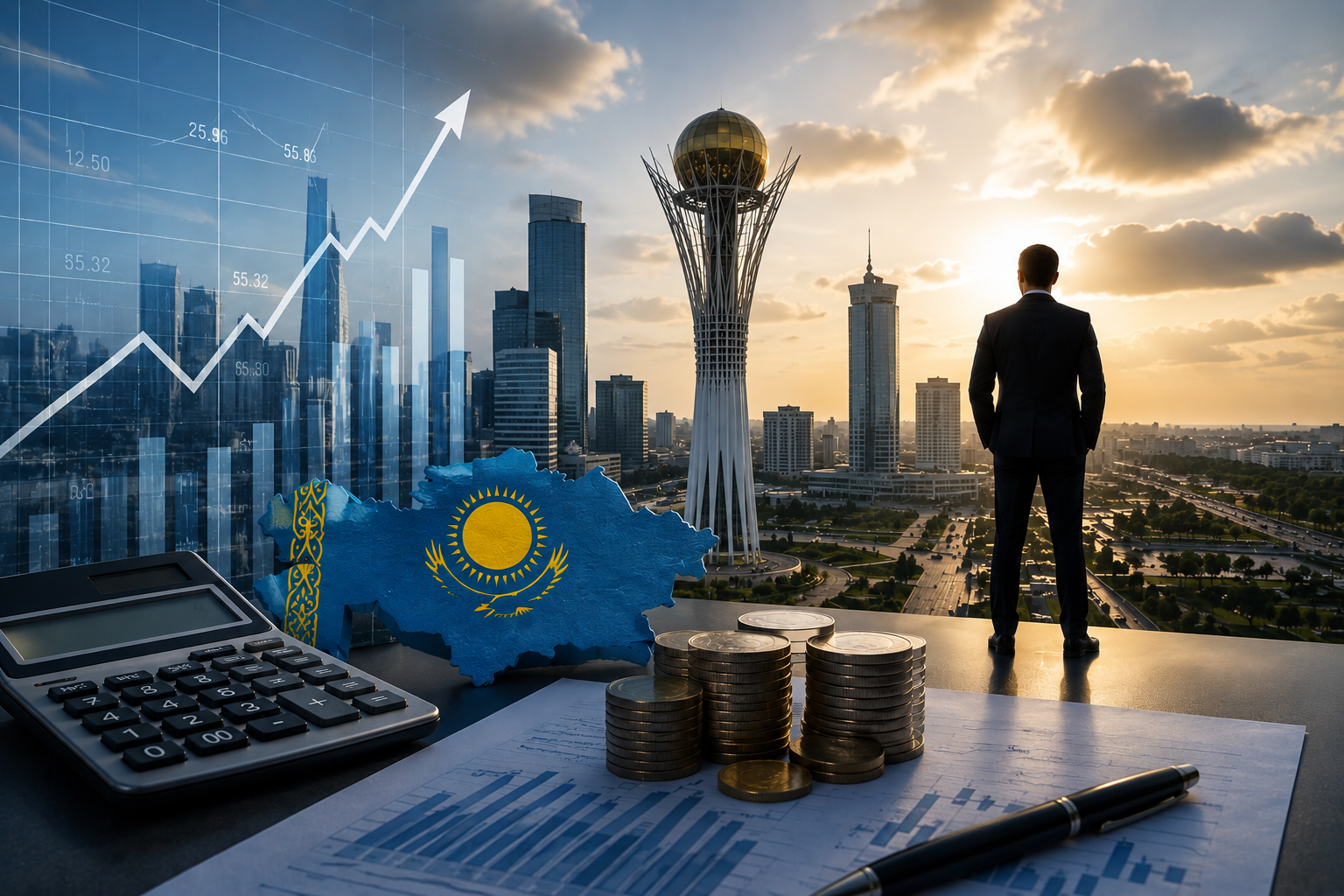
Kazakhstan is intensifying efforts to support its domestic producers by facilitating their entry into major foreign retail chains, a strategic move to capitalize on growing nonresource exports and shift towards higher-value finished products. Trade and Integration Minister Arman Shakkaliyev announced that nonresource exports surged by 14.5% in the first five months of 2026, reaching $11.8 billion, with approximately 44% of Kazakh goods now sold internationally.
The government is prioritizing export market expansion, particularly within the Eurasian Economic Union, Central Asia, the Middle East, Europe, and China. This involves conducting around 10 annual trade and economic missions and supporting 120 companies in an export acceleration program each year. Financial backing for exporters is also expanding, with the Export Credit Agency providing over 400 billion tenge (US$850.3 million) in insurance support in the first half of the year, a figure projected to reach 1.2 trillion tenge (US$2.6 billion) by year's end. Additionally, six billion tenge is allocated annually to reimburse exporters' logistics costs.
The priority is to strengthen support for exports and expand export markets, primarily to the Eurasian Economic Union, Central Asia, the Middle East, Europe, and China. To this end, approximately 10 trade and economic missions are conducted annually, involving more than 300 Kazakh exporters. To nurture new exporters, 120 companies participate in the export acceleration program each year.
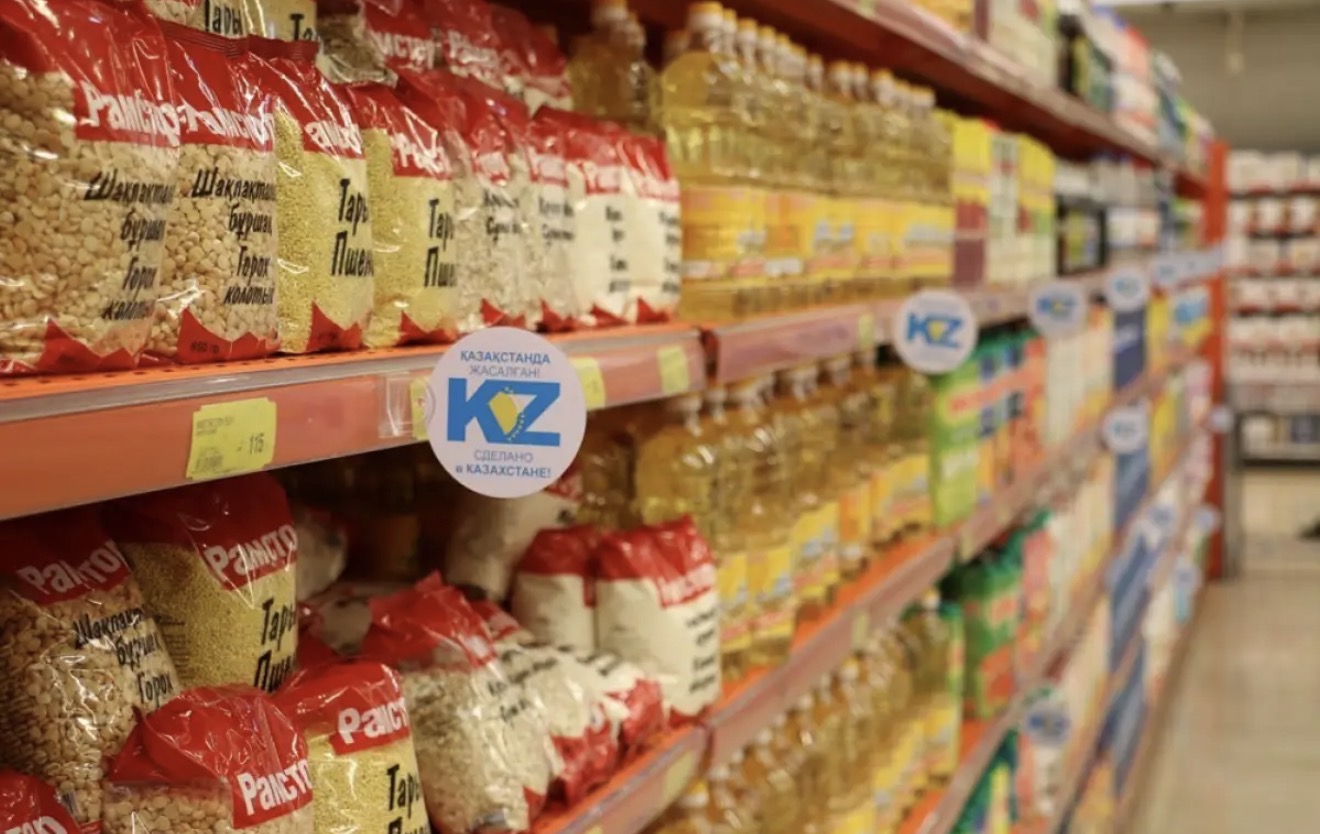
Over the past five years, exports of higher-processed goods have seen a significant increase, growing 2.5 times from $4.2 billion to $11.1 billion. These processed goods now constitute 38.8% of nonresource exports. The next critical phase involves actively promoting these finished Kazakh products abroad. To achieve this, the government is developing new support measures to help domestic goods gain shelf space in prominent international retail chains, including Lulu Hypermarket, Carrefour, Gross, Panda, and Spinneys.
Prime Minister Olzhas Bektenov has tasked the Trade Ministry and other state bodies with identifying priority countries, foreign retail chains, and product categories. They are expected to devise comprehensive measures covering certification, logistics, promotion, and product placement. This export drive is intrinsically linked to strengthening domestic production capacity, with officials emphasizing that stable demand from public procurement, national companies, and local retail chains provides Kazakh manufacturers the scale needed for international competitiveness. Bektenov highlighted that while the instruments for supporting domestic manufacturers, such as tax incentives and financing, are in place, ensuring steady growth in domestic product share and expanding exports remains crucial.
It is now necessary to ensure steady growth in the share of domestic products in the domestic market and to expand exports of Kazakh goods.
DistantNews Editorial
Originally published by The Astana Times in English. Translated, summarized, and contextualized by our editorial team with added local perspective. Read our editorial standards.
More Stories


From Our Blog

What Gets Lost (and Found) When News Is Translated

The Critical Role of Diaspora Media in Global News

What Travellers Should Know About Countries with Restricted Press

A Digital Nomad's Guide to Following Local News

How the Same Story Looks Different in Different Countries
