


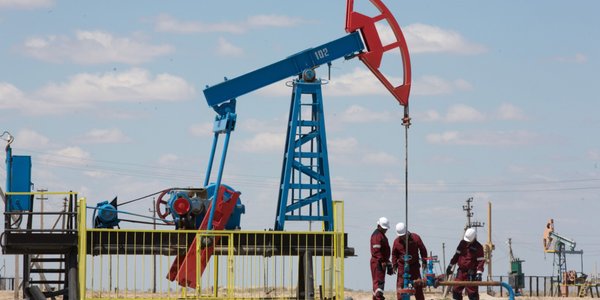
Kazakhstan refuses to supply gasoline to Russia amid deepening fuel crisis
Translated from Polish and summarized by DistantNews. Read the original for the full story.
At a glance
News
Sources not specified
Ongoing story
- Kazakhstan's major refineries have refused to supply gasoline to Russia, citing payment issues and the risk of Western sanctions.
- The price of gasoline from Kazakhstan is also significantly higher than current Russian market rates.
- Russia's domestic fuel production is struggling to meet demand, with Ukrainian drone attacks on refineries exacerbating the problem.
Kazakhstan's largest oil refineries have refused to supply gasoline to Russia, deepening Moscow's escalating fuel crisis. This decision stems from concerns over payment processing through Russian banks and the potential risk of facing Western sanctions, according to Reuters sources.
Suppliers are hesitant to be caught in the crossfire of international sanctions. Furthermore, the price of AI-92 gasoline from Kazakhstan's Atyrau refinery, at $1100-$1200 per ton, is approximately 43% higher than current prices on the St. Petersburg International Mercantile Exchange. This makes it economically unviable for Russian importers.
The situation is compounded by domestic demand within Kazakhstan. Sources indicate that the country itself is experiencing a seasonal surge in fuel demand, with neighboring countries also facing shortages. This has led to increased private purchasing within Kazakhstan, further straining available supplies.
Meanwhile, Russia's own refining capacity is significantly impacted. Ukrainian drone attacks have targeted numerous refineries, with at least 18 reportedly ceasing production or operating at reduced capacity. Industry sources estimate that Russia's total oil processing is about 30% below seasonal norms, and domestic production is unlikely to cover the deficit in the coming months.
About this summary
Originally published by Rzeczpospolita in Polish. Translated, summarized, and contextualized automatically by DistantNews, with a note on how the source frames the story. Not individually reviewed before publishing. How this works.
More Stories



From Our Blog

What Gets Lost (and Found) When News Is Translated

The Critical Role of Diaspora Media in Global News

What Travellers Should Know About Countries with Restricted Press

A Digital Nomad's Guide to Following Local News

How the Same Story Looks Different in Different Countries
