

Kazakhstan's Senate holds final meeting before transition to unicameral parliament
Translated from English, summarized and contextualized by DistantNews.
At a glance
News
Sources not specified
Outcome reported
- Kazakhstan's Senate held its final session, marking the end of the bicameral system in its modern history as it prepares to transition to a unicameral parliament called the Kurultai.
- The Senate approved several international agreements, including those for embassies and border crossings with neighboring countries, alongside loan agreements with international banks to cover the state budget deficit.
- The transition to a unicameral parliament follows constitutional reforms announced by President Kassym-Jomart Tokayev in 2025, which were approved by a nationwide referendum.
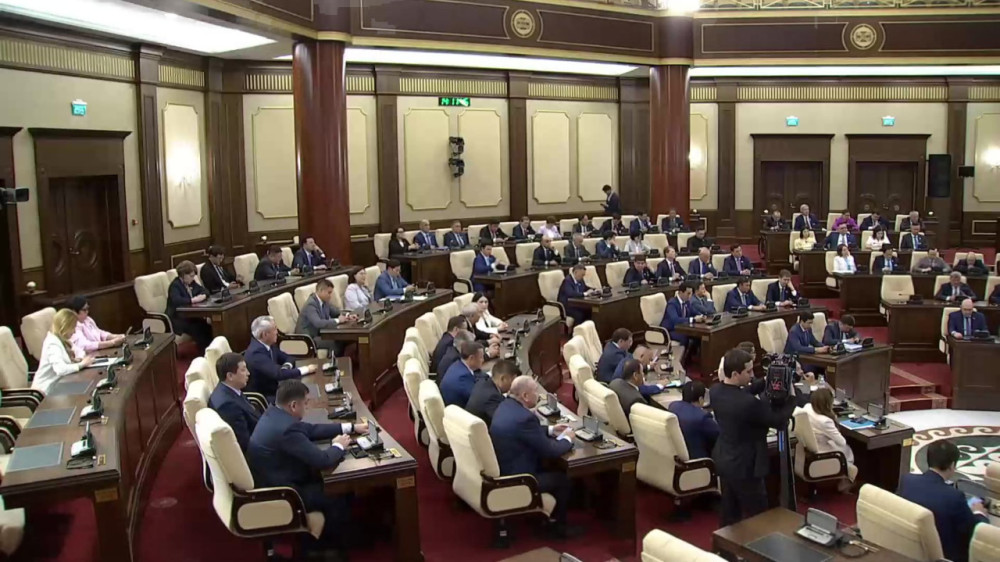
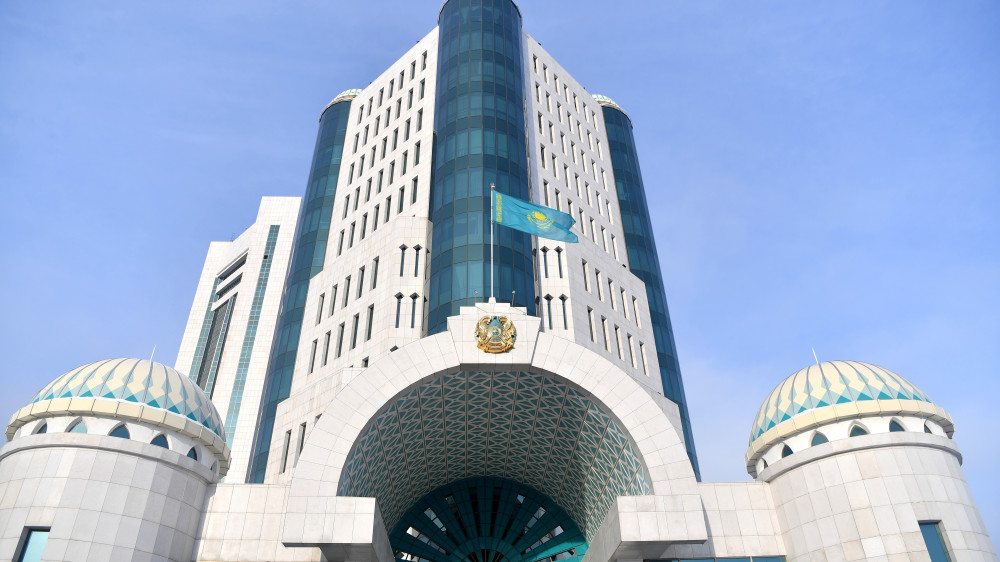
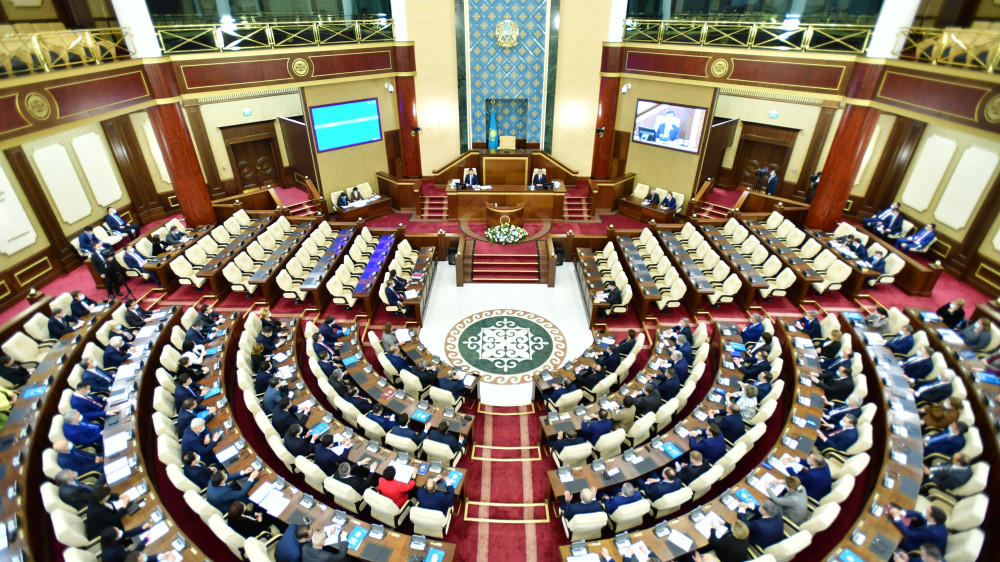
Kazakhstan's Senate convened its final plenary session on Monday, June 29, marking a significant shift in the nation's modern political history. This session concludes the work of the eighth Senate, as the country prepares to replace its bicameral parliament with a unicameral legislature, the Kurultai, starting July 1.
During its concluding sitting, the Senate addressed seven agenda items, with a primary focus on international cooperation. Key approvals included treaties facilitating the exchange of buildings and land plots for embassies between Kazakhstan and Kyrgyzstan in Astana and Bishkek, respectively. Lawmakers also ratified amendments to an agreement with Uzbekistan concerning the operation of border crossing checkpoints. Furthermore, the Senate gave its assent to two loan agreements with the International Bank for Reconstruction and Development (IBRD) and the Asian Infrastructure Investment Bank (AIIB), intended to help finance the state budget deficit.
Legislative actions also encompassed the adoption of a law on soil protection, coupled with related amendments to land relations and the agro-industrial sector. Another bill approved introduced changes to legislation governing notarial services and legal aid. This follows the Mazhilis, the lower house of parliament, holding its final session in its current form the previous week. The two chambers are scheduled for a final joint session under the current constitutional framework on Tuesday, June 30.
The move to a unicameral parliament is a result of constitutional reforms initiated by President Kassym-Jomart Tokayev in his September 2025 State of the Nation Address. Initially proposing the abolition of both the Senate and the Mazhilis, the reforms evolved significantly, leading Tokayev to describe them as effectively a new Constitution. A nationwide referendum held several months later saw 87.15 percent of participating voters support the amendments. Kazakhstan's new Constitution is set to take effect on July 1, 2026, at which point the current bicameral Parliament will cease to exist. The President is mandated to call elections for the Kurultai within one month, with the elections to be held within the subsequent two months.
DistantNews Editorial
Originally published by Tengrinews in English. Translated, summarized, and contextualized by our editorial team with added local perspective. Read our editorial standards.
More Stories
From Our Blog

What Gets Lost (and Found) When News Is Translated

The Critical Role of Diaspora Media in Global News

What Travellers Should Know About Countries with Restricted Press

A Digital Nomad's Guide to Following Local News

How the Same Story Looks Different in Different Countries
