


Kazakhstan's Unicameral Parliament Seen as Boost for Stability and Investment by Observers
Translated from English, summarized and contextualized by DistantNews.
At a glance
News
Named sources
Outcome reported
- Foreign observers noted Kazakhstan's transition to a unicameral parliament and new constitutional framework during the Aug. 23 parliamentary vote.
- They focused on the country's potential to attract international investment and the new system's ability to ensure stability and accountability.
- Officials highlighted the constitution as the foundation for reforms, emphasizing Kazakhstan's commitment to democratic development and sending a positive message internationally.
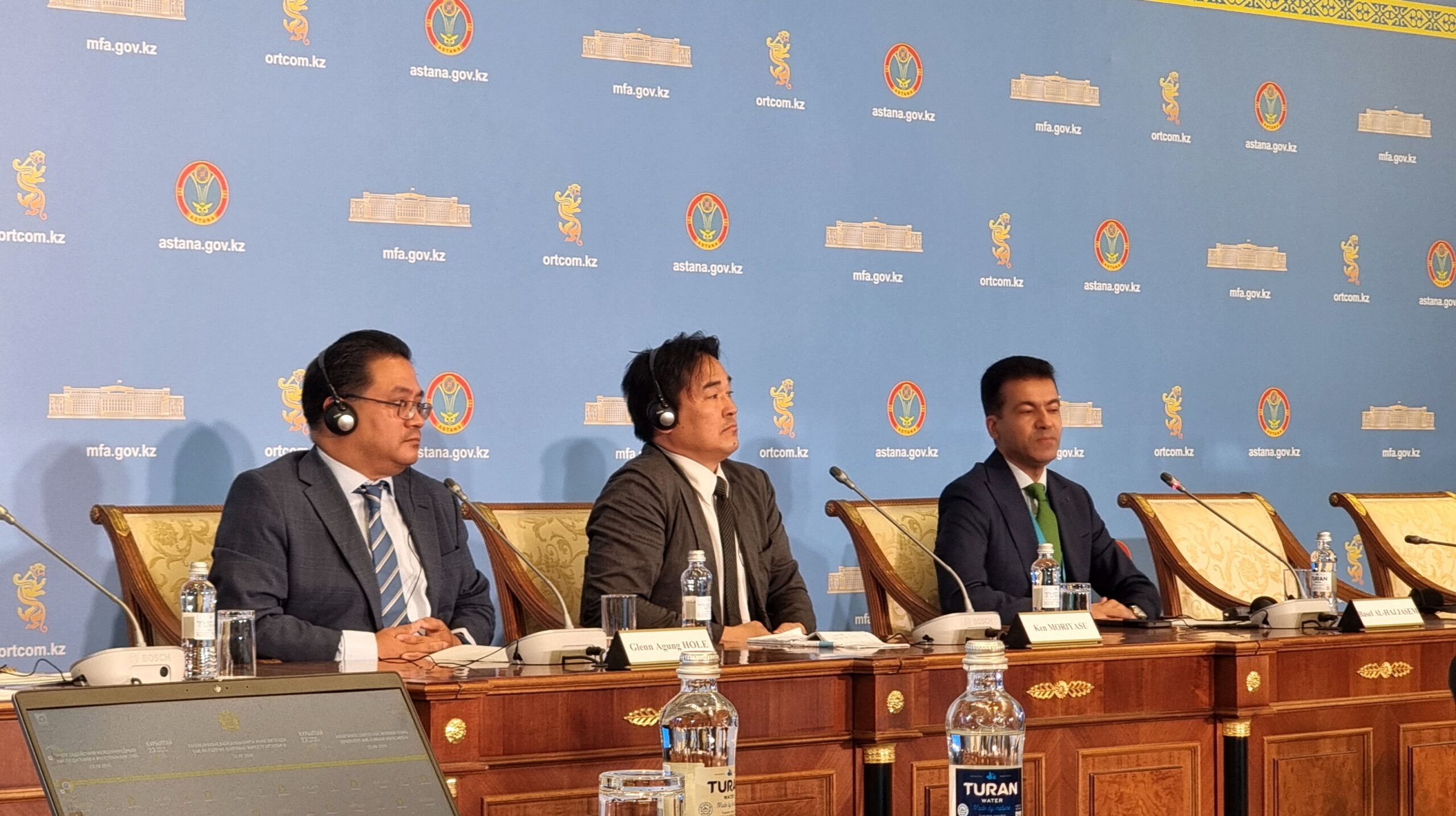
Kazakhstan's shift to a unicameral parliament and its new constitutional framework were central topics for foreign observers during the August 23 parliamentary elections. Discussions also heavily focused on the nation's potential to attract international investment, with observers assessing the new political system's capacity to foster accountability, institutional stability, and a predictable environment for both citizens and investors.
I believe the most important point in Kazakhstan is its Constitution, because this is the vision for the future of the country. Article 1 defines Kazakhstan as a democratic, secular, social and law-based state.
Indonesian Ambassador to Kazakhstan, Rachman Mohamad Fadjroel, emphasized the constitution as the bedrock of Kazakhstan's ongoing political reforms. He stated that Article 1, defining Kazakhstan as a democratic, secular, social, and law-based state, guides these reforms and demonstrates the country's dedication to democratic development. Fadjroel viewed the Kurultai election as a practical demonstration of democracy in action, sending a positive signal to the global community.
Today’s Kurultai election is an opportunity to demonstrate how democracy works in Kazakhstan in practice.
Domenico Palmieri, secretary general of the Italian Institute of Asia, described the election as a significant milestone, marking the first major step in implementing the new constitutional framework. He believes a unicameral system can streamline legislative processes and enhance efficiency. However, Palmieri cautioned that the ultimate success will depend on the performance of the new parliament and government, stating, "Only the future, starting from today, with the new parliament and government, can show whether this was the right decision taken by the Kazakh people."
From my point of view, a unicameral system is better. It is easier to work smartly and efficiently.
Palmieri also noted the presence of five Italian parliamentarians observing the election, signifying Italy's interest in Kazakhstan. He stressed the importance of translating the new constitutional arrangements into practical policies that promote social stability and economic development. Nicolas Butylin, head of geopolitics at Berliner Zeitung, also commented on the potential for clearer institutions to support investment.
Only the future, starting from today, with the new parliament and government, can show whether this was the right decision taken by the Kazakh people.
DistantNews Editorial
Originally published by The Astana Times in English. Translated, summarized, and contextualized by our editorial team with added local perspective. Read our editorial standards.
More Stories


From Our Blog

What Gets Lost (and Found) When News Is Translated

The Critical Role of Diaspora Media in Global News

What Travellers Should Know About Countries with Restricted Press

A Digital Nomad's Guide to Following Local News

How the Same Story Looks Different in Different Countries
