

Kazakhstan Targets 8.4 GW of New Renewable Energy Capacity by 2035
Summarized and contextualized by DistantNews.
At a glance
News
Sources not specified
New plan
- Kazakhstan plans to commission 8.4 gigawatts of new renewable energy capacity by 2035 as part of its low-carbon development strategy.
- The country aims to double its renewable energy capacity over the next decade, with international companies involved in current projects.
- Kazakhstan is also focusing on oil export routes and developing a Caspian Green Energy Corridor to export clean energy to Europe.
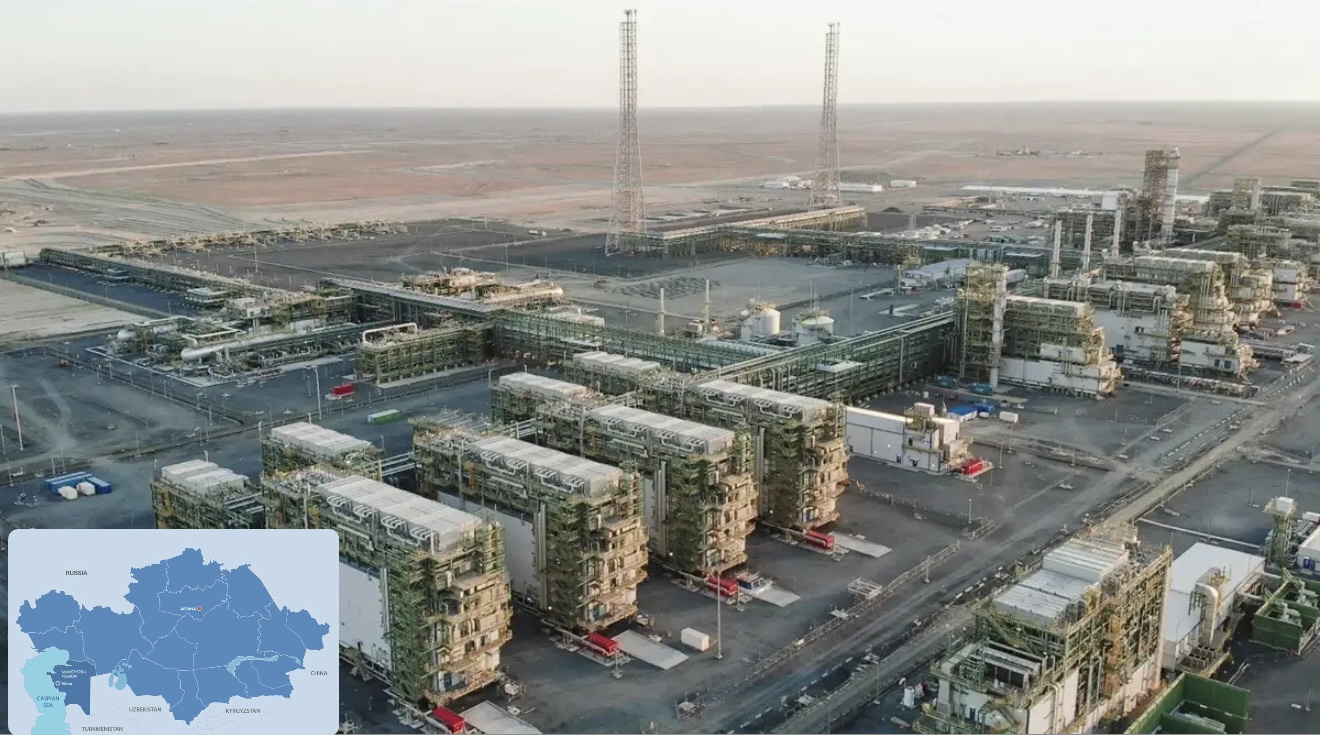
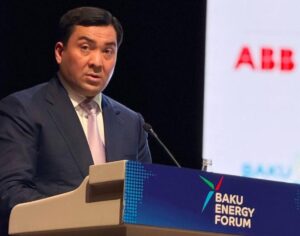
Kazakhstan is charting an ambitious course toward a low-carbon future, aiming to significantly boost its renewable energy capacity by 2035. Energy Minister Yerlan Akkenzhenov announced plans to commission 8.4 gigawatts of new renewable energy capacity, a move that would more than double the country's current renewable output.
This strategic push is part of a dual-track energy policy. Kazakhstan seeks to maintain its crucial role as an energy and transit hub in Eurasia while simultaneously accelerating the adoption of renewable energy and low-carbon technologies. Currently, renewables account for about 7% of the nation's electricity generation, with 169 facilities providing approximately 3.7 gigawatts of installed capacity.
For Kazakhstan, the Baku-Tbilisi-Ceyhan route has strategic significance. It is not just a transport corridor but part of a new architecture of Eurasian energy security.
International collaboration is key to this transition, with companies from China, the United Arab Emirates, France, and Germany actively participating in renewable energy projects. Beyond wind and solar, Kazakhstan is exploring green hydrogen initiatives, such as the Hyrasia One project, and advancing clean coal technologies to modernize its energy sector and reduce emissions.
The country is also leveraging its strategic location for energy exports. Akkenzhenov highlighted the importance of the Baku-Tbilisi-Ceyhan pipeline for oil exports, describing it as part of a new Eurasian energy security architecture. While this route will see increased oil shipments, the Caspian Pipeline Consortium remains the primary export channel. Furthermore, Kazakhstan is co-developing the Caspian Green Energy Corridor with Azerbaijan and Uzbekistan to channel clean energy to European markets, creating what Akkenzhenov called a "new energy bridge."
We are creating a new energy bridge between Central Asia and Europe based on clean energy and modern technologies.
DistantNews Editorial
Originally published by The Astana Times. Summarized and contextualized by our editorial team with added local perspective. Read our editorial standards.
More Stories
From Our Blog

What Gets Lost (and Found) When News Is Translated

The Critical Role of Diaspora Media in Global News

What Travellers Should Know About Countries with Restricted Press

A Digital Nomad's Guide to Following Local News

How the Same Story Looks Different in Different Countries
