

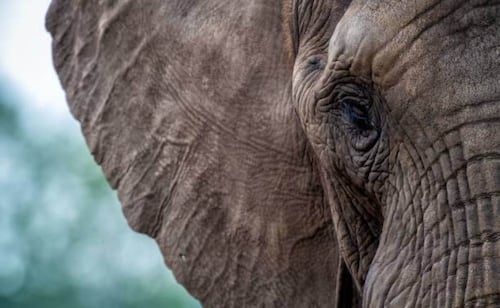
Kenya arrests four suspects in elephant deaths; investigation into cause continues
Translated from Spanish, summarized and contextualized by DistantNews.
At a glance
News
Official statement
Under investigation
- Kenyan authorities have arrested four suspects in connection with the deaths of 18 elephants in the Amboseli ecosystem since June 24.
- Investigations suggest the elephants may have been poisoned by cyanide from pesticide-contaminated tomatoes, though local rangers and communities question this, suggesting a possible unknown disease.
- The government emphasized the need for collaboration between agencies, communities, and landowners to conserve wildlife, praising local communities for their cooperation.
Kenyan authorities have detained four individuals as persons of interest in the mysterious deaths of 18 elephants in the Amboseli ecosystem. A fifth suspect is being sought for possessing relevant information, according to Tourism and Wildlife Minister Rebecca Miano. The arrests followed an operation in Tikondo and Kimana towns, where potentially toxic, unlabeled chemicals were recovered, believed to have been sourced from a neighboring country.
Initial laboratory analyses by the Kenya Wildlife Service (KWS) point towards cyanide poisoning, possibly from elephants consuming tomatoes contaminated with pesticides from local farms. However, this theory is contested by local rangers and communities. They suggest an unknown disease might be the cause, noting that other wildlife, livestock, and humans also consume these fruits without similar fatalities.
Minister Miano stressed the critical importance of collaboration across government agencies, communities, landowners, and conservation areas, as wildlife movements transcend protected borders. She specifically commended the Amboseli communities for their vigilance and cooperation during the investigation, recognizing them as indispensable partners and guardians of Kenya's wildlife heritage.
Kenya has a history of elephant population decline due to poaching for ivory, which drastically reduced numbers between 1979 and 1989. While poaching and habitat loss remain significant threats, this incident highlights new challenges in wildlife protection. The ongoing investigation aims to definitively determine the cause of death for the Amboseli elephants.
DistantNews Editorial
Originally published by El Universal in Spanish. Translated, summarized, and contextualized by our editorial team with added local perspective. Read our editorial standards.
More Stories



From Our Blog

What Press Freedom Means for the News You Read

What Gets Lost (and Found) When News Is Translated

The Critical Role of Diaspora Media in Global News

What Travellers Should Know About Countries with Restricted Press

A Digital Nomad's Guide to Following Local News
