


Kenyan Father Mourns Son Lost Fighting for Russia in Ukraine, One of Thousands of Foreign Recruits Lured by Promises of Pay Amidst Deception and Coercion
Translated from Croatian, summarized and contextualized by DistantNews.
At a glance
News
Named sources
Context piece
- Russia is systematically recruiting foreign volunteers for its war in Ukraine, drawing individuals from various countries who often end up on the battlefield.
- Many foreign fighters, like Oscar Khagol Mutoka from Kenya and Yoan Viondi Mendoza from Cuba, are lured by financial promises but face perilous situations, with some losing their lives and families left without bodies or closure.
- Investigations reveal Russia's global recruitment network targets vulnerable individuals with offers ranging from lucrative pay to deception and coercion, highlighting the dire economic circumstances that drive these enlistments.
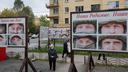
Russia's recruitment of foreign fighters for the war in Ukraine is a systematic global operation, drawing individuals from diverse backgrounds who often find themselves on the front lines with tragic consequences. Oscar Khagola Mutoka, a former Kenyan soldier, traveled to Russia in the summer of 2025, telling his family he was going to work. His father, Charles Mutoka, pleaded with him not to go, but Oscar sent only a photo in a Russian uniform a week later and then disappeared. His family later learned of his death but never received his body, leaving them with a symbolic empty grave and the agonizing uncertainty of his fate.
The worst thing is that I don't know if he's even buried and where. Or was his body simply thrown somewhere in the woods in Russia?
Mutoka is one of an estimated 27,000 foreigners recruited by Russia for the conflict, a figure that excludes North Korean soldiers, according to Ukrainian military intelligence. Research by the International Federation for Human Rights (FIDH), Truth Hounds, and the Kazakh International Bureau for Human Rights and Rule of Law (KIBHR) confirms that thousands have been recruited through a global network. "This recruitment targets people living in difficult economic, social, and legal circumstances," explained Ilja Nuzov, a study author. "The methods used range from lucrative offers to deception and coercion."
This recruitment targets people living in difficult economic, social, and legal circumstances. The methods used range from lucrative offers to deception and coercion.
For many from the world's poorest regions, the salaries offered by the Russian military are a significant incentive, presenting a chance to escape poverty and support their families. Yoan Viondi Mendoza, from Cuba, was drawn by the promise of $2,000 a month, a vast sum in a country where the average wage is only $20. His brother, Michael Duro, living in the U.S. and undergoing cancer treatment, learned of Yoan's plan to help him financially. Despite Duro's warnings that the venture would end badly, Yoan proceeded. In September 2023, Reuters documented young Cubans, including Mendoza, heading to Russia, with the 23-year-old telling journalists, "I'm doing this so I don't starve in Cuba. They know exactly where they are going, and so do I."
I'm doing this so I don't starve in Cuba. They know exactly where they are going, and so do I.
DistantNews Editorial
Originally published by Večernji List in Croatian. Translated, summarized, and contextualized by our editorial team with added local perspective. Read our editorial standards.
More Stories


From Our Blog

What Gets Lost (and Found) When News Is Translated

The Critical Role of Diaspora Media in Global News

What Travellers Should Know About Countries with Restricted Press

A Digital Nomad's Guide to Following Local News

How the Same Story Looks Different in Different Countries
