


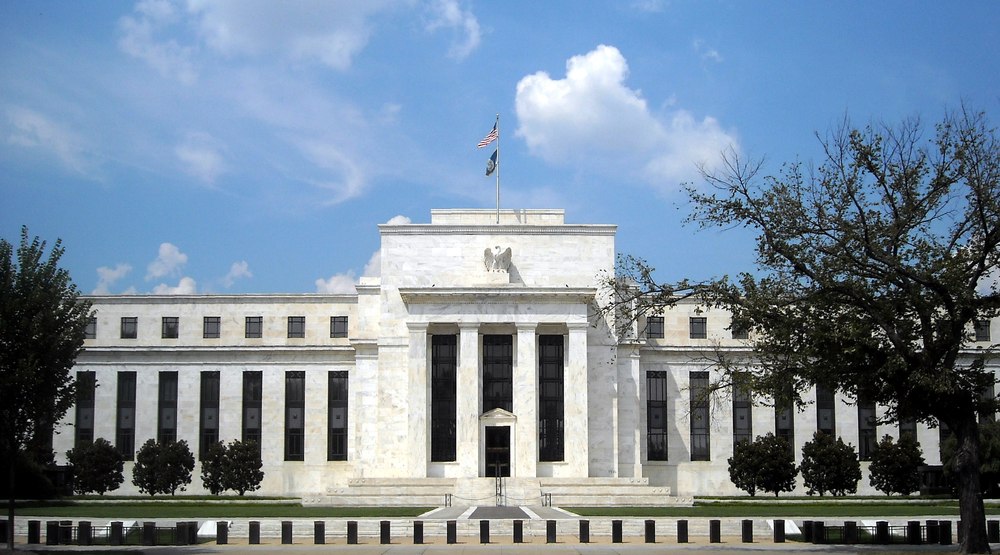
Kevin Warsh Changes Federal Reserve's Monetary Policy Tone; 'Task Force' Enters New Leadership's Lexicon
Translated from Romanian, summarized and contextualized by DistantNews.
At a glance
News
Sources not specified
New plan
- Kevin Warsh's new leadership at the U.S. Federal Reserve signals a shift in monetary policy communication, with increased focus on inflation and market interpretation of Fed decisions.
- Warsh emphasized unity and cooperation, seeking broad support for his reform initiatives, while former Fed Chair Jerome Powell indicated he would not oppose the new policies.
- Despite Warsh's focus on inflation and avoidance of explicit rate cut signals, markets interpreted Fed communications as increasing the likelihood of interest rate hikes.
Kevin Warsh's tenure as the new head of the U.S. Federal Reserve has ushered in a noticeable shift in the central bank's communication style and priorities, even as the benchmark interest rate remains steady at 3.5–3.75%. Post-meeting statements now highlight inflation, liquidity, and market interpretations of Fed decisions, potentially forcing investors to recalibrate strategies amid less predictable monetary policy signals, according to Claudiu Cazacu, a strategy consultant at XTB Romania.
Transformations have already begun.
Warsh, who previously voiced various criticisms of the Federal Reserve, has publicly stressed unity and cooperation. Achieving his reform goals will likely require significant backing from Monetary Policy Committee decision-makers and other central bank staff. Former Fed Chair Jerome Powell, while remaining on the Board of Governors, appears aligned with the current leadership's message, not intending to oppose Warsh's policies or leverage his past influence to form a dissenting bloc.
I think we have to assume at this point it’s about political will.
With support from President Trump and a known desire to lower borrowing costs, Warsh's approach has generated considerable interest. During a press conference, Warsh strongly emphasized inflation, with scarce references to potential interest rate reductions. He also avoided committing to a specific trajectory for rate increases. Nevertheless, markets interpreted the press release, Fed member projections, and Warsh's comments as signals favoring future rate hikes. FedWatch data shows a nearly one-third chance of the benchmark rate reaching 4-4.25% by December, a significant increase from just 1/7 the previous day.
This has been dragging on for far too long … It’s not like these foreign authoritarian adversaries are pulling back on these operations, they’re only intensifying.
Warsh also indicated that he would not publish his own dot-plot forecasts for inflation, GDP, and interest rates. Discussing the potential impact of AI on productivity, which could significantly influence interest rates, Warsh suggested he would await future study conclusions. He announced the formation of five "task forces" to examine key areas, including the central bank's communication strategies, a critical aspect for the Fed's effectiveness.
Because right now there really isn’t a consequence to interfering in our democracy. Whether it’s disinformation, transnational repression, (the consequence) just isn’t there.
DistantNews Editorial
Originally published by Adevărul in Romanian. Translated, summarized, and contextualized by our editorial team with added local perspective. Read our editorial standards.
More Stories

From Our Blog

What Gets Lost (and Found) When News Is Translated

The Critical Role of Diaspora Media in Global News

What Travellers Should Know About Countries with Restricted Press

A Digital Nomad's Guide to Following Local News

How the Same Story Looks Different in Different Countries
