


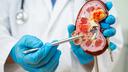
Kidney Health Guide: Best and Worst Foods for Your Kidneys
Translated from Croatian, summarized and contextualized by DistantNews.
At a glance
In-depth
Sources not specified
Context piece
- Kidneys filter about half a liter of blood per minute, removing waste and excess fluid; one in three adults is at risk of kidney disease.
- A healthy diet for kidneys includes fruits like blueberries and strawberries, vegetables like cabbage and peppers, lean proteins like egg whites, and healthy fats from olive oil and fish.
- Foods to avoid include processed items, sugary and carbonated drinks, and excessive salt found in canned goods, pickles, and snacks; staying hydrated with 6-8 glasses of water daily is crucial.
Kidneys are vital organs that diligently filter approximately half a liter of blood every minute, efficiently removing waste products and excess fluid from the body. According to the National Kidney Foundation, a significant one in three adults faces the risk of developing kidney disease. Fortunately, adopting a proper diet can substantially impact kidney health, guiding us toward beneficial choices and those to avoid.
For optimal kidney function, a diet rich in fresh fruits and vegetables is paramount. Berries such as blueberries, cranberries, and strawberries are particularly beneficial due to their anti-inflammatory properties that help protect the kidneys. Pineapples also offer a gentler option compared to other fruits. Among vegetables, cabbage and bell peppers contribute to overall kidney health, while onions and garlic can serve as natural, healthier alternatives to salt in cooking.
When it comes to protein and healthy fats, choosing quality sources is key. Egg whites are an excellent, easily digestible protein that doesn't burden the kidneys. Olive oil and fatty fish provide anti-inflammatory benefits, supporting kidney health. Shiitake mushrooms are a great plant-based protein option. Conversely, processed foods, including instant soups, pre-made pasta sauces, and canned or frozen ready-meals, should be avoided due to their high salt and artificial additive content. These products often contain hidden amounts of salt, phosphorus, and potassium, which can strain the kidneys.
Carbonated beverages are particularly detrimental, containing phosphoric acid and excessive sugar, with studies linking consumption of two or more daily to an increased risk of chronic kidney disease. Limiting salty foods like canned goods, pickles, olives, chips, and cured meats is also essential, as high salt intake burdens the kidneys. The recommended daily salt intake should be less than 2.3 grams, roughly equivalent to one teaspoon. Staying well-hydrated is crucial, with 6-8 glasses of water recommended daily unless advised otherwise by a doctor. Ultimately, maintaining kidney health hinges on consuming fresh, unprocessed foods, staying hydrated, and moderating salt intake.
DistantNews Editorial
Originally published by Večernji List in Croatian. Translated, summarized, and contextualized by our editorial team with added local perspective. Read our editorial standards.
More Stories



From Our Blog

What Gets Lost (and Found) When News Is Translated

The Critical Role of Diaspora Media in Global News

What Travellers Should Know About Countries with Restricted Press

A Digital Nomad's Guide to Following Local News

How the Same Story Looks Different in Different Countries
