


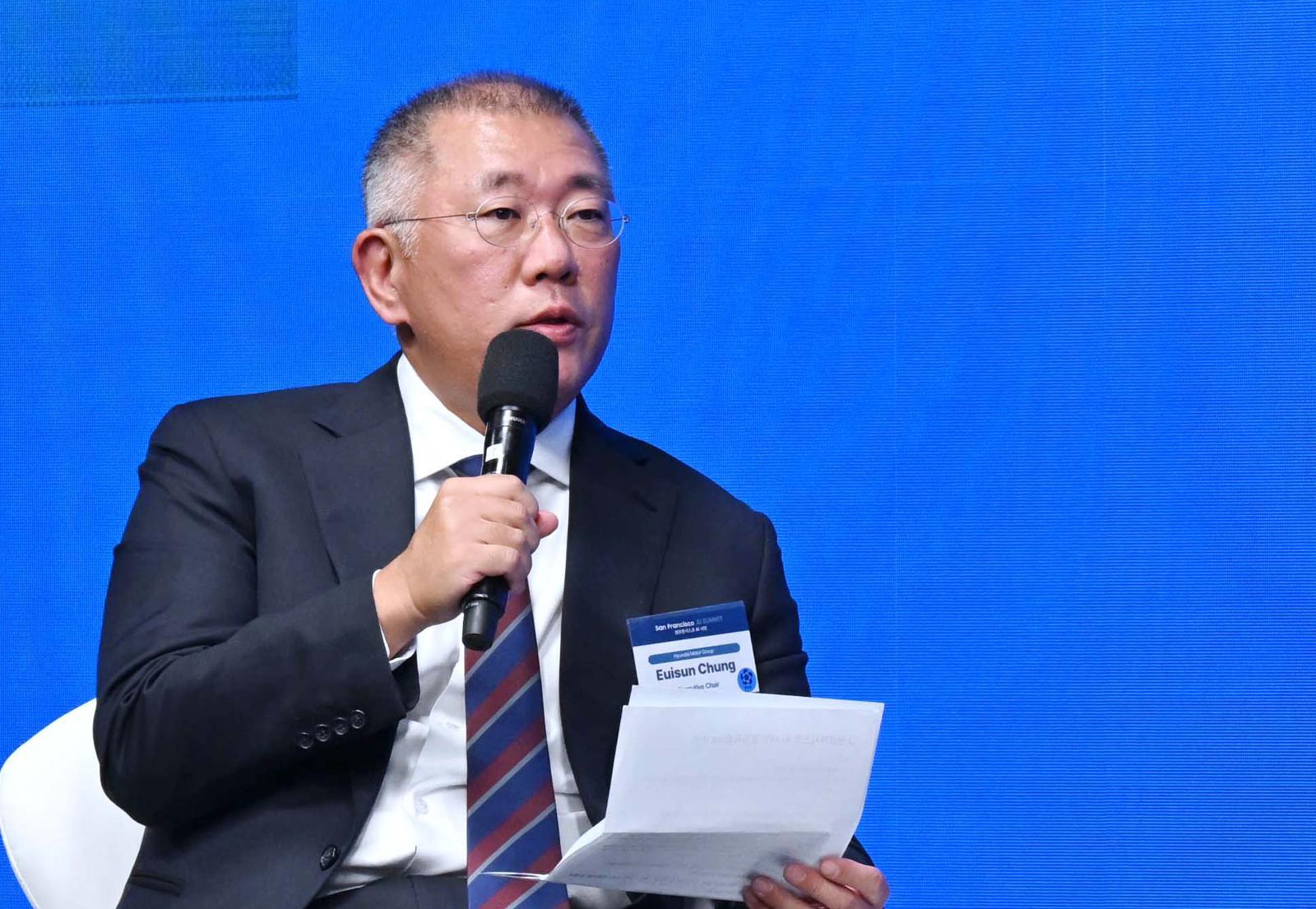
Kim Yong-beom: "Comprehensive review of market volatility, including leveraged ETFs"
Translated from Korean, summarized and contextualized by DistantNews.
At a glance
News
Named sources
Context piece
- South Korean presidential policy chief Kim Yong-beom announced a review of market volatility, including leveraged ETFs.
- He attributed market fluctuations to a high proportion of individual investors, dynamic trading, and the significant market share of Samsung Electronics and SK Hynix.
- Kim also addressed the impact of China's semiconductor advancements, suggesting it necessitates increased investment in facilities and R&D by Korean companies.
Kim Yong-beom, chief policy secretary to the South Korean president, announced that authorities will comprehensively review market volatility, including single-stock leveraged ETFs. This review aims to address structural factors contributing to particularly pronounced market fluctuations.
We are planning to review not only single-stock leveraged ETFs but also the financial authorities, including the Financial Services Commission and the Financial Supervisory Service, comprehensively regarding the structural factors that make volatility particularly pronounced.
Kim explained that South Korea's market volatility stems from a combination of factors. These include a large base of individual investors who trade dynamically, a significant presence of related derivatives, and the substantial market weight of major companies like Samsung Electronics and SK Hynix. He noted that the market's volatility over the past two to three months is not unique to South Korea.
Our country has high volatility due to the large proportion of individual investors, dynamic investment, and many related derivatives, and the fact that the weight of these two companies (Samsung Electronics and SK Hynix) in the market is very large.
The ongoing debate surrounding the future of semiconductor and AI stocks also plays a role. Kim suggested that market participants and investors are not yet fully convinced about the progression of the AI revolution. However, he expressed confidence in sustained demand for AI-related technologies and services, viewing the current situation as a process of finding a balance.
The debate surrounding the future direction of semiconductor and AI stocks continues. The market and investors are not yet fully confident about the progress of the AI revolution. However, I believe actual demand and the use of AI will continue robustly and are in the process of finding a balance.
Furthermore, Kim addressed the impact of a "China shock" in the semiconductor industry. He referenced the listing of China's CXMT, the world's fourth-largest DRAM maker, and China's success in mass-producing deep ultraviolet (DUV) lithography equipment. This development, he noted, resembles past "deep shock" events and suggests China's long-term strategy to foster its semiconductor companies. Kim interpreted this situation as a call for Korean companies, such as Samsung Electronics and SK Hynix, to increase facility investments and R&D efforts to maintain their technological lead.
It looks like the old 'deep shock' due to the listing of CXMT and the addition of lithography. From China's perspective, they will try to foster the two companies in the long term, and given their strengths in technology, they seem to be making rapid progress.
DistantNews Editorial
Originally published by Hankyoreh in Korean. Translated, summarized, and contextualized by our editorial team with added local perspective. Read our editorial standards.
More Stories


From Our Blog

What Gets Lost (and Found) When News Is Translated

The Critical Role of Diaspora Media in Global News

What Travellers Should Know About Countries with Restricted Press

A Digital Nomad's Guide to Following Local News

How the Same Story Looks Different in Different Countries
