


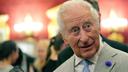
King Charles III reveals tax payments for first time
Translated from Croatian, summarized and contextualized by DistantNews.
At a glance
News
Sources not specified
New plan
- King Charles III publicly disclosed his tax payments for the 2024/2025 tax year, totaling £12.9 million.
- This makes him the first British monarch to reveal such figures, aiming to increase transparency.
- Prince William also disclosed his tax payments, amounting to £7.76 million for the same period.
In a move towards greater transparency, King Charles III has become the first British monarch to publicly reveal his tax payments. For the 2024/2025 tax year, the King paid £12.9 million in taxes, placing him among the top 100 taxpayers in the United Kingdom.
This disclosure, detailed in the royal family's annual financial report, also includes figures for Prince William, the Prince of Wales. He paid £7.76 million in taxes during the same period. Together, the King and the Prince of Wales have paid over £50 million in taxes since Charles ascended the throne and William became Prince of Wales.
The decision to release these figures was a personal one, according to their offices, with the aim of enhancing understanding of the royal institution's responsibilities to the public. Buckingham Palace stated the move is intended to increase transparency.
The aim of this move is to increase transparency and contribute to a better understanding of the royal institution's responsibilities to the public.
King Charles derives his annual income primarily from the Duchy of Lancaster, a private estate established to provide him with independent income for official and private needs. This vast portfolio of land, property, and investments generated £25.2 million in income for the King in the 2025/2026 financial year. Prince William, in turn, receives income from the Duchy of Cornwall, a hereditary estate valued at approximately £1 billion.
While the report provides the amounts paid, it does not detail the specific calculations behind the tax obligations. Prince William's private secretary, Ian Patrick, explained that the Prince pays tax at the highest rate on all net surplus income after expenses, which are independently audited.
The Prince pays tax at the highest rate on all net surplus income after expenses. These expenses are independently audited to ensure all deductions are justified.
DistantNews Editorial
Originally published by Večernji List in Croatian. Translated, summarized, and contextualized by our editorial team with added local perspective. Read our editorial standards.
More Stories


From Our Blog

What Gets Lost (and Found) When News Is Translated

The Critical Role of Diaspora Media in Global News

What Travellers Should Know About Countries with Restricted Press

A Digital Nomad's Guide to Following Local News

How the Same Story Looks Different in Different Countries
