


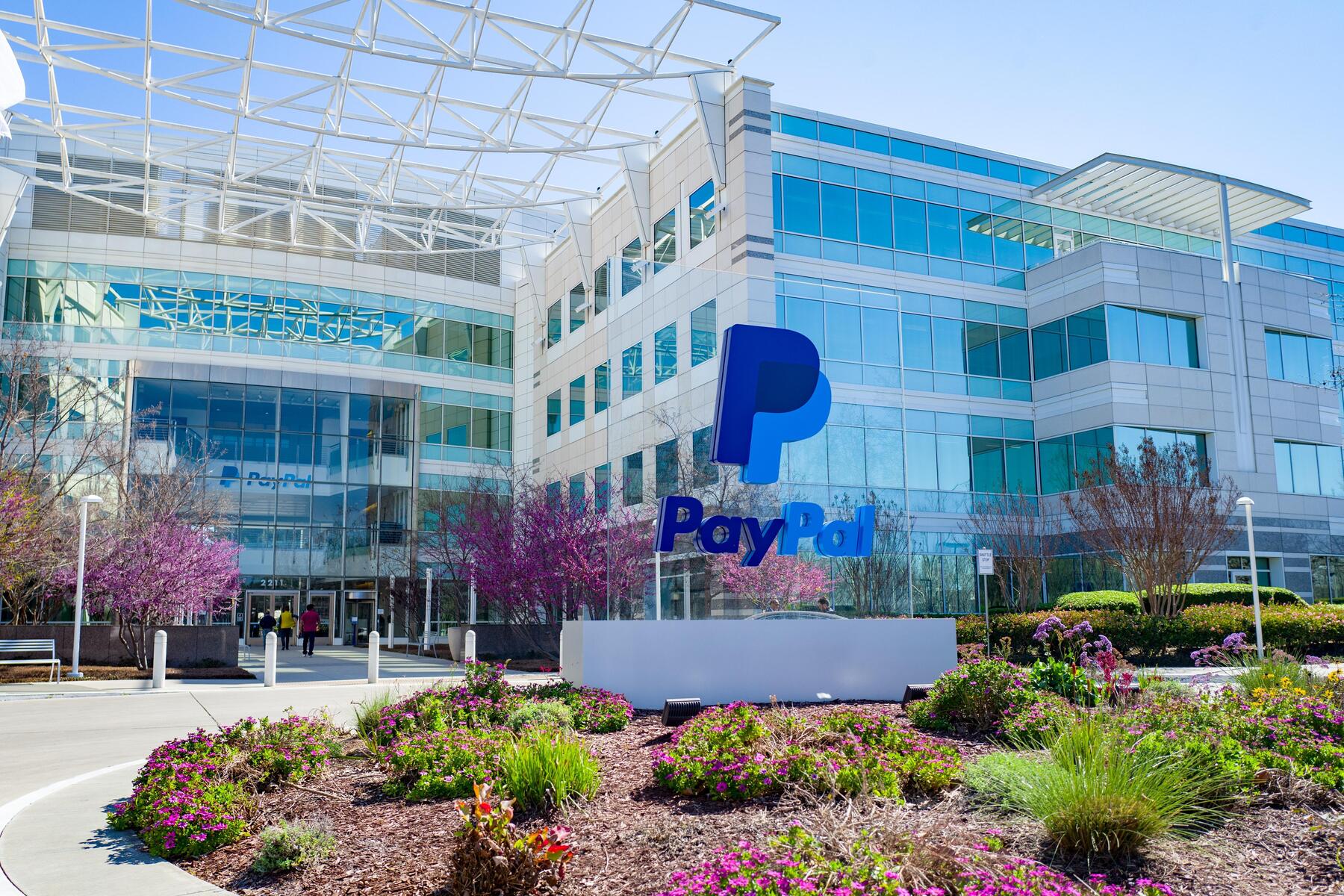
Klarna and PayPal Face Growing Pressure in Payment Competition
Translated from German, summarized and contextualized by DistantNews.
At a glance
News
Sources not specified
Ongoing story
- Klarna's stock has fallen over 50% since its IPO, primarily due to unexpected high provisions for credit defaults in the US.
- The "Buy Now, Pay Later" (BNPL) sector faces intense competition from rivals like Affirm and Afterpay, as well as traditional payment providers like PayPal.
- Despite a 27% net sales increase and a return to profit in the second quarter, Klarna's stock dropped 17% pre-market after the company lowered its full-year revenue forecast.
Swedish fintech Klarna, once lauded for its potential to disrupt the credit card industry with its "Buy Now, Pay Later" (BNPL) offerings, is facing significant pressure. Despite achieving its first net profit in years in 2024, the company's stock has plummeted by more than half since its initial public offering. The IPO itself saw the stock 25 times oversubscribed, reflecting high investor expectations based on a previous private valuation of $46 billion during the pandemic boom, which had reduced to $15 billion by the IPO.
The primary driver for the stock's decline post-IPO was the revelation of unexpectedly high provisions for credit defaults in the United States. This highlighted the vulnerability of BNPL services in an environment of rising interest rates. Klarna is not alone in this challenging market; it faces stiff competition from Affirm, founded by PayPal co-founder Max Levchin, and Australian provider Afterpay, which pioneered the "Pay in 4" model that Klarna also adopted. Affirm's stock is down a third from its 2021 IPO price, and Afterpay was acquired by Block, whose stock has also struggled despite recent growth.
The competition has intensified into a fierce price war for merchant favor. Even established players like PayPal offer installment payment options, and while Apple initially launched Apple Pay Later, it has since discontinued the service and now partners with Affirm and Klarna. Klarna generates revenue from merchants, longer-term consumer financing contracts, late payment fees, advertising, and subscription models offering benefits like cashback. However, it faces competition in these areas too, from traditional credit card companies like American Express and financial apps such as Revolut.
Although Klarna reported a 27% increase in net sales to $1.04 billion and a profit of $9 million in the second quarter, surpassing analyst expectations after a $53 million loss in the prior year, the company's future outlook remains cautious. The stock fell 17% in pre-market trading following the release of these results, as Klarna revised its full-year revenue forecast downward due to consumer hesitancy in Germany and other markets.
DistantNews Editorial
Originally published by Die Presse in German. Translated, summarized, and contextualized by our editorial team with added local perspective. Read our editorial standards.
More Stories



From Our Blog

What Gets Lost (and Found) When News Is Translated

The Critical Role of Diaspora Media in Global News

What Travellers Should Know About Countries with Restricted Press

A Digital Nomad's Guide to Following Local News

How the Same Story Looks Different in Different Countries
