


KOFOTI Engages Gyeonggi Textile Sector to Boost Solidarity and Support
Translated from Korean and summarized by DistantNews. Read the original for the full story.
At a glance
News
Named sources
Context piece
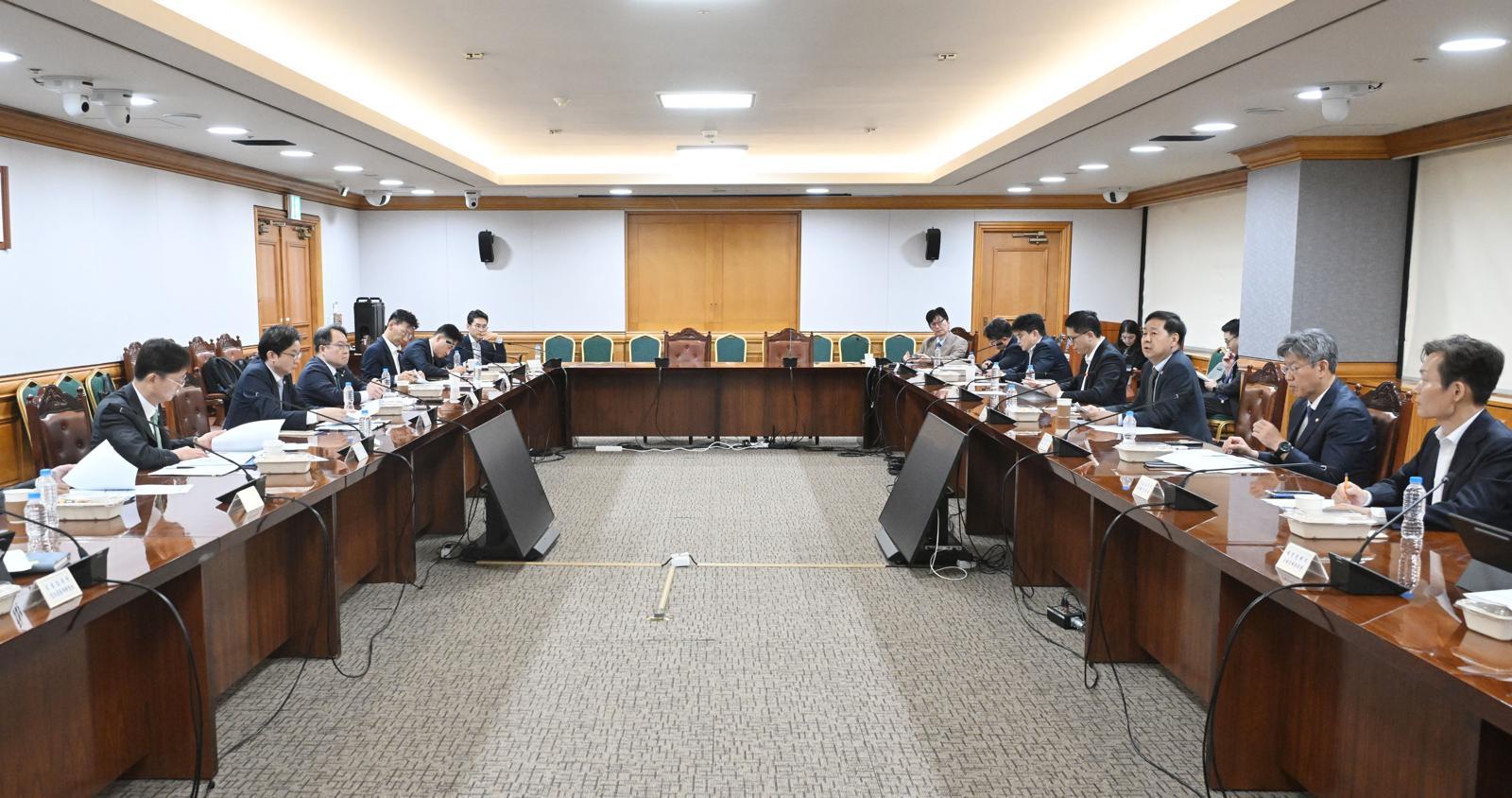
- The Korea Federation of Textile Industries (KOFOTI) held a 'Gyeonggi Textile Fashion Caravan' to listen to the difficulties of textile-related organizations and companies in the Gyeonggi region.
- The event focused on sharing current challenges, strengthening industry solidarity, and discussing support measures for sustainable growth, including succession planning.
- KOFOTI highlighted achievements like the designation of 'Root Industry Specialized Complexes' for dyeing and processing and emphasized the need for government and parliamentary support to bolster the textile infrastructure.
The Korea Federation of Textile Industries (KOFOTI) has actively engaged with the Gyeonggi region's textile sector through its 'Gyeonggi Textile Fashion Caravan.' This initiative underscores KOFOTI's commitment to understanding and addressing the on-the-ground challenges faced by local businesses and organizations. By bringing together knitwear and dyeing companies, related institutions, and association representatives, KOFOTI aims to foster a stronger sense of solidarity and identify practical support measures.
These success stories need to be shared and benchmarked by the textile industry.
The discussions during the caravan focused on critical issues such as sustainable growth, including the vital area of business succession. The introduction of specialized complexes for the 'root industry,' particularly in dyeing and processing, represents a significant step forward, with plans to expand these designations across Gyeonggi Province. This strategic development is crucial for maintaining the competitiveness of the region's textile industry.
There is a need for full-scale financial support from the government, such as expanding low-interest policy funds for the continuous development and advancement of companies.
KOFOTI's efforts also highlight the indispensable role of government and parliamentary support in strengthening the textile industry's infrastructure. The success stories shared, like that of Deoksan Enterprise, which has achieved complete vertical integration from raw materials to finished fabrics, serve as benchmarks for the industry. However, the need for financial support, such as expanded low-interest policy funds, was strongly emphasized by industry leaders.
The need for a strong cooperative system with textile-related organizations in each region is emphasized. Comprehensive support from the government and the National Assembly is urgently needed to strengthen the national economic status of the Korean textile industry.
The caravan's findings, including concerns about digital automation in dyeing and challenges with wastewater treatment facilities, point to the complex operational landscape. KOFOTI's pledge to ensure that these on-site concerns, such as easing regulations on business succession and increasing policy funds, are reflected in government policy demonstrates a proactive approach to industry advocacy. This collaborative effort is vital for reinforcing the national economic standing of South Korea's textile industry.
We will do our best to follow up so that the suggestions gathered from the field, such as easing regulations on business succession, expanding policy funds, and lifting restrictions on industries entering industrial complexes, can be practically reflected in government policy.
About this summary
Originally published by Hankyoreh in Korean. Translated, summarized, and contextualized automatically by DistantNews, with a note on how the source frames the story. Not individually reviewed before publishing. How this works.
More Stories


From Our Blog

News in Translation: What Gets Lost, and How We Keep the Framing

Diaspora Media: How Communities Abroad Follow Home

Traveling Where the Press Is Not Free: How to Read the News There

The Digital Nomad's Guide to Local News

The Same Story, Different Countries: How Coverage Changes at the Border
