


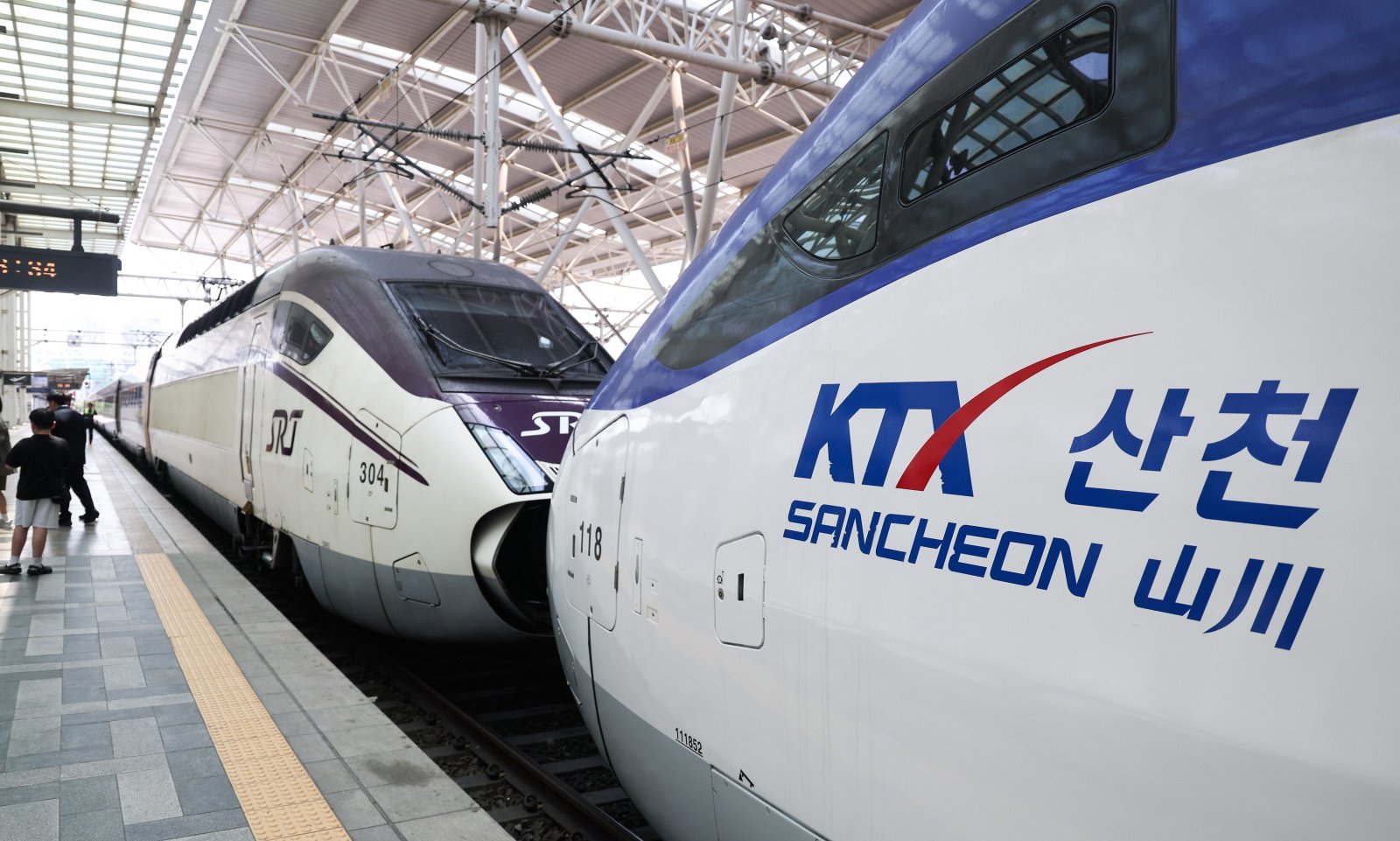
Korea Railroad-SR Merger Approved; KTX Fares to Drop 10% for 3 Years
Translated from Korean, summarized and contextualized by DistantNews.
At a glance
News
Named sources
Approved/passed
- South Korea's Fair Trade Commission approved the merger of KTX and SRT high-speed rail operators.
- KTX fares will be reduced by 10% over three years to match SRT prices.
- The merger will increase weekend seat supply by 17,000 and operating frequency by 25 trips.
South Korea's Fair Trade Commission has approved the merger of national railway operator KTX and its high-speed rail competitor SRT. The decision is expected to benefit consumers, with KTX fares set to decrease by 10% over the next three years to align with SRT's pricing. This move aims to standardize prices across the country's high-speed rail network. In addition to fare reductions, the merger will significantly boost service capacity. Weekend seat supply will increase by more than 17,000 seats, and operating frequency will rise by at least 25 trips. Mileage accrual rates will also be unified at 5% for both KTX and SRT services, with other benefits like discount programs and season tickets to be integrated. The Fair Trade Commission stated that the merger poses a low risk of restricting competition, despite both companies being state-controlled. The commission conducted an in-depth review, considering the high-speed rail sector's critical role in national infrastructure and the public interest. They analyzed competition on a route-by-route basis, a methodology used in previous merger reviews for airlines and bus services. Officials emphasized that regulatory oversight by the Ministry of Land, Infrastructure, and Transport will prevent arbitrary price hikes or service reductions. KTX and SRT will operate under a joint business plan for three years to ensure consumer benefits are realized. This plan includes increasing seat supply through operational efficiencies like coupled trains and composite train services, which can double capacity on a single run.
This is an exemplary case of corporate integration between public enterprises.
DistantNews Editorial
Originally published by Dong-A Ilbo in Korean. Translated, summarized, and contextualized by our editorial team with added local perspective. Read our editorial standards.
More Stories


From Our Blog

What Gets Lost (and Found) When News Is Translated

The Critical Role of Diaspora Media in Global News

What Travellers Should Know About Countries with Restricted Press

A Digital Nomad's Guide to Following Local News

How the Same Story Looks Different in Different Countries
