


Korean Beauty and Israeli R&D Could Make a Bigger Mark in Global Markets
Translated from Korean and summarized by DistantNews. Read the original for the full story.
At a glance
News
Named sources
Context piece
- The Israeli Embassy in Seoul presented six Israeli cosmetics and beauty-device companies at an event in Seoul’s Yongsan district.
- Organizers said cooperation could combine Korea’s strength in beauty with Israel’s research and development capabilities.
- The companies showcased products using Dead Sea ingredients, medicinal plants and home-use beauty devices.
“If Korea, a powerhouse in cosmetics and beauty, cooperates with Israel, where the biotechnology industry is highly developed, the two countries can make a bigger mark in the global cosmetics market.”
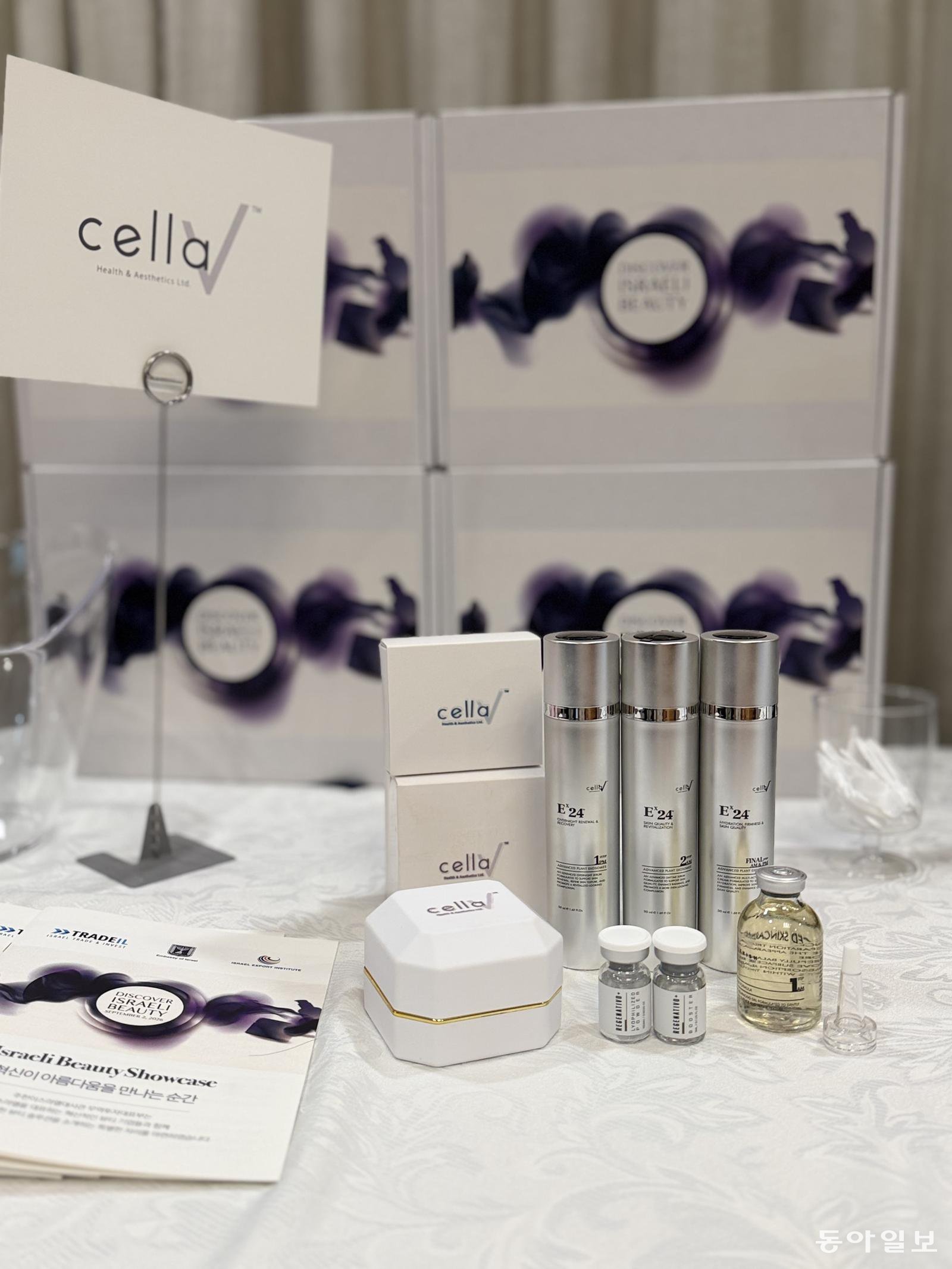
That message framed an event held on the 2nd at the residence of the Israeli Embassy in Hannam-dong, Seoul. The embassy introduced six Israeli cosmetics and beauty-device companies to Korean journalists and beauty influencers.
If Korea, a powerhouse in cosmetics and beauty, cooperates with Israel, where the biotechnology industry is highly developed, the two countries can make a bigger mark in the global cosmetics market.
The participating companies were Celavive Health & Aesthetics, Pollogen by Lumenis, Mahrut by Dr. Marina Landau, Neox Dermacare, Onmacabim and Herbarisте. Each presented its main products to the Korean audience.
Korea is a country that leads trends in the global beauty market, and Israeli cosmetics companies have excellent research and development capabilities and use good ingredients, so there is considerable room for cooperation.
Tamar Kosher Marom, head of the embassy’s trade and investment office, said Korea leads trends in the global beauty market, while Israeli cosmetics companies bring strong research and development capabilities and high-quality ingredients. She emphasized that these strengths leave considerable room for cooperation.
Barak Shine, Israel’s acting ambassador to South Korea, said he hoped the event would expand opportunities for collaboration between companies in the two countries. Several Israeli cosmetics use Dead Sea sulfur mud, mineral salts and medicinal plants from Israel’s desert. The event also featured beauty devices, including Pollogen by Lumenis’s Stop VX2, a lightweight radio-frequency device for the face. Lumenis highlighted that it had created the world’s first home-use beauty device.
Through this event, we want to expand cooperation opportunities between relevant companies in the two countries.
About this summary
Originally published by Dong-A Ilbo in Korean. Translated, summarized, and contextualized automatically by DistantNews, with a note on how the source frames the story. Not individually reviewed before publishing. How this works.
More Stories



From Our Blog

What Gets Lost (and Found) When News Is Translated

The Critical Role of Diaspora Media in Global News

What Travellers Should Know About Countries with Restricted Press

A Digital Nomad's Guide to Following Local News

How the Same Story Looks Different in Different Countries
