


Korean investors lose money in August despite S&P 500 gains as won surges
Translated from Korean and summarized by DistantNews. Read the original for the full story.
At a glance
News
Documents & data
Context piece
- The S&P 500 rose 2.62% over the period, but two heavily traded Korean ETFs tracking the index fell 1.56% and 1.14%.
- Currency-hedged versions of the same ETFs gained about 2.8%, highlighting the impact of the won’s sharp appreciation.
- The monthly average won-dollar exchange rate fell by 84.57 won from July, its largest month-to-month decline since May 2009.
The S&P 500 climbed during August, but Korean investors in unhedged U.S. stock products saw their returns move in the opposite direction as the won strengthened sharply against the dollar.
The two most heavily traded products, TIGER U.S. S&P 500 and KODEX U.S. S&P 500, fell 1.56% and 1.14%, respectively, compared with their July 31 closing prices. The underlying S&P 500 rose 2.62% over the same period.
Currency-hedged products told a different story. TIGER U.S. S&P 500 (H) gained 2.77%, while KODEX U.S. S&P 500 (H) rose 2.84%. The difference reflected the effect of exchange rates rather than the performance of the U.S. index itself.
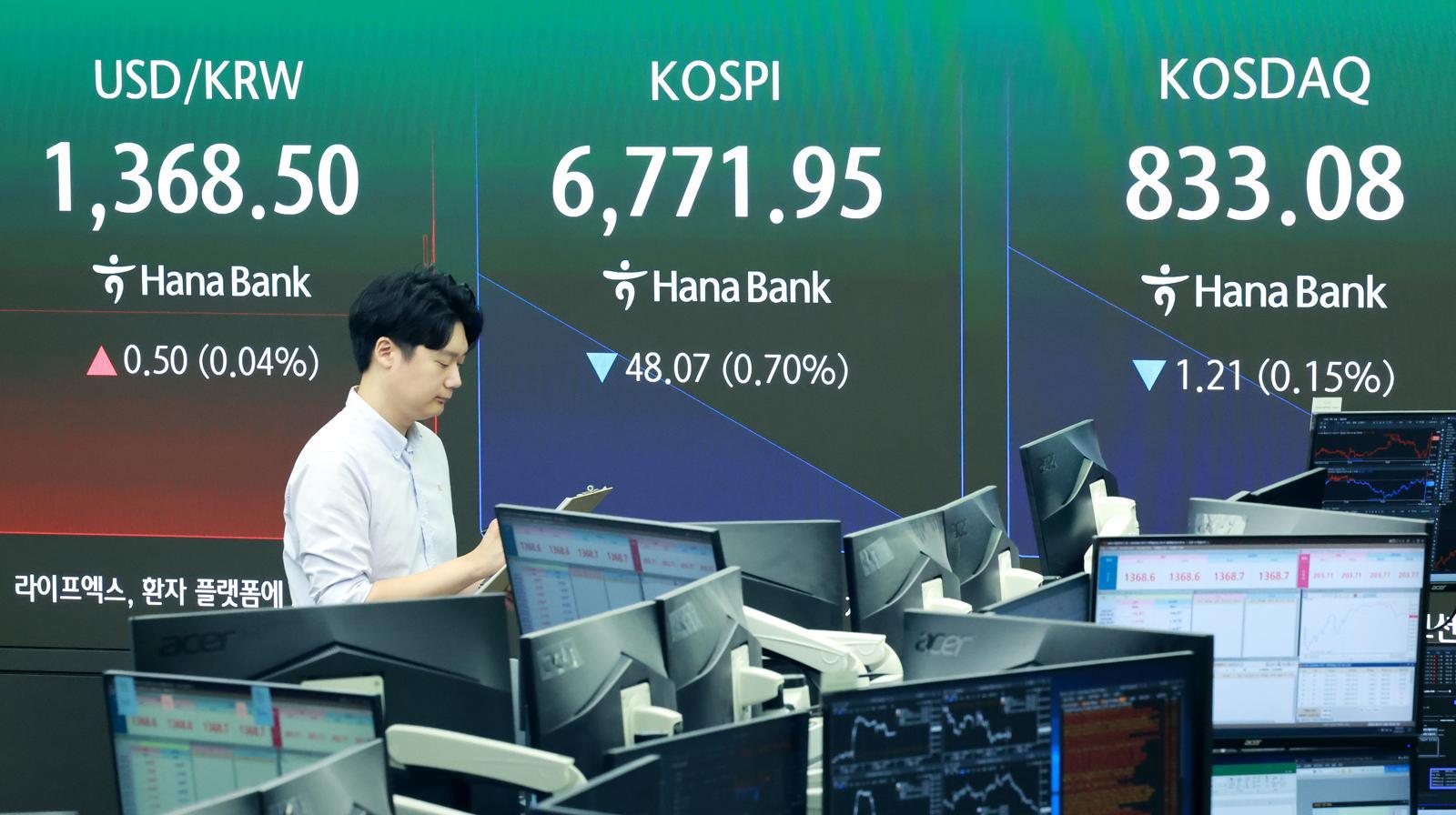
The won-dollar rate rose to the 1,550-won range early in July before falling to the 1,360-won range by the end of August. The monthly average stood at 1,404.35 won, down 84.57 won from July’s 1,488.92 won. That marked the steepest monthly decline since May 2009.
Korean holdings of U.S. stocks also increased, from $171.5 billion on July 31 to $186.9 billion on Aug. 28. Net purchases during August totaled about $2 billion, according to settlement data. Woori Bank economist Min Kyung-won said weaker expectations for monetary tightening in the United States had reduced pressure on the dollar, while possible further yen gains could keep the won-dollar rate contained.
Scott Bessent’s remarks that core inflation was being contained lowered expectations for monetary tightening and weakened pressure for dollar strength.
About this summary
Originally published by Hankyoreh in Korean. Translated, summarized, and contextualized automatically by DistantNews, with a note on how the source frames the story. Not individually reviewed before publishing. How this works.
More Stories


From Our Blog

What Gets Lost (and Found) When News Is Translated

The Critical Role of Diaspora Media in Global News

What Travellers Should Know About Countries with Restricted Press

A Digital Nomad's Guide to Following Local News

How the Same Story Looks Different in Different Countries
