


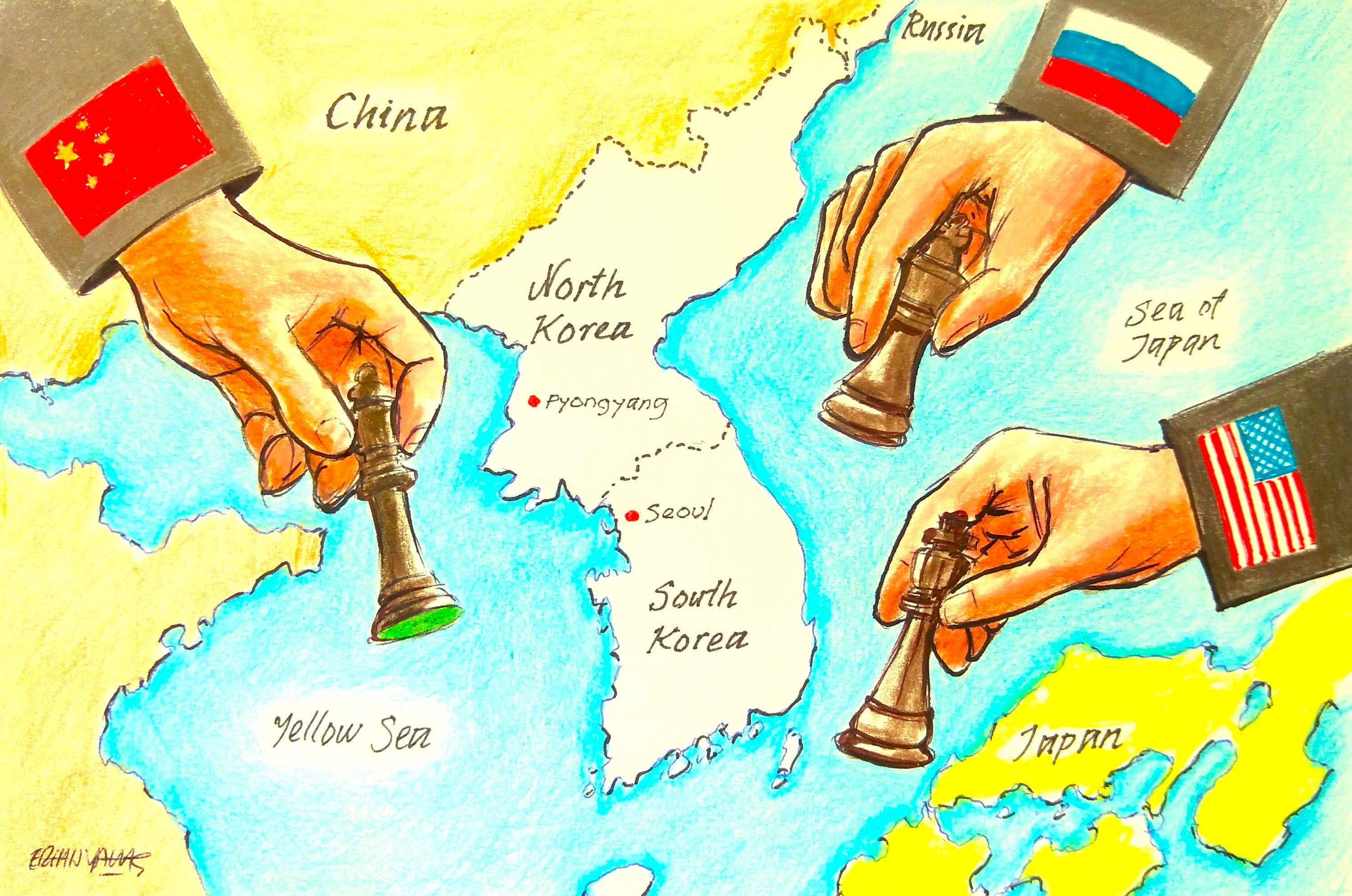
Korean Peninsula's strategic map shifts as US, North Korea, China, and Russia realign
Translated from English and summarized by DistantNews. Read the original for the full story.
At a glance
Analysis
Sources not specified
Context piece
- The traditional strategic alignment of the Korean Peninsula, with the US and South Korea facing North Korea and China, is becoming more fluid.
- Former US President Trump is pursuing renewed direct engagement with North Korean leader Kim Jong Un, reminiscent of his first term but in a changed geopolitical landscape.
- North Korea's capabilities and its deepening relationship with Russia, including a mutual defense treaty, provide Kim with significant leverage.
- South Korea is seeking greater diplomatic and strategic autonomy while navigating its alliance with Washington and increasing competition with China.
The long-standing strategic geometry of the Korean Peninsula, characterized by a clear division between the US-South Korea alliance and North Korea's reliance on China, is undergoing a significant transformation. While the traditional alliances remain, the relationships within and between them are becoming increasingly fluid, marked by new diplomatic overtures and shifting regional dynamics.
Former US President Donald Trump's renewed engagement with North Korean leader Kim Jong Un signals a potential return to his first-term approach of prioritizing leader-to-leader diplomacy to de-escalate tensions. However, this initiative occurs in a vastly different context than the 2018 Singapore summit. North Korea has since advanced its nuclear and missile capabilities and significantly deepened its ties with Russia, culminating in a Comprehensive Strategic Partnership Treaty that includes mutual defense provisions.
This strengthened North Korea-Russia relationship grants Kim Jong Un considerable military and political leverage he lacked during Trump's previous presidency. Consequently, Pyongyang's reaction to Trump's overtures has been cautious, demanding fundamental policy changes from the US and recognition of its nuclear status. While dialogue is not entirely foreclosed, personal diplomacy alone may no longer dictate outcomes.
South of the demilitarized zone, South Korea is also navigating a more complex landscape. While maintaining its alliance with Washington, President Lee Jae Myung's administration is pushing for greater control over its security and economic decisions. Trump's approach complicates this balancing act, as Washington seeks increased defense burden-sharing from Seoul while viewing the alliance through the lens of US-China competition. Simultaneously, Beijing is actively engaging with South Korea, further adding to the intricate regional realignments.
About this summary
Originally published by Daily Sabah in English. Translated, summarized, and contextualized automatically by DistantNews, with a note on how the source frames the story. Not individually reviewed before publishing. How this works.
More Stories

From Our Blog

What Gets Lost (and Found) When News Is Translated

The Critical Role of Diaspora Media in Global News

What Travellers Should Know About Countries with Restricted Press

A Digital Nomad's Guide to Following Local News

How the Same Story Looks Different in Different Countries
