


Korean proverb of the day: 'When whales fight, the shrimp’s back gets broken'
Summarized and contextualized by DistantNews.
At a glance
In-depth
Sources not specified
Context piece
- The Korean proverb "When whales fight, the shrimp's back gets broken" illustrates how the powerless suffer in conflicts between the strong.
- It describes situations where unrelated, weaker individuals become collateral damage in disputes beyond their control.
- While often applied to international relations, the proverb's wisdom extends to everyday life, including workplace disputes and family conflicts.
The Korean proverb, "When whales fight, the shrimp's back gets broken" (Gorae ssaume saeu deung teojinda), vividly captures the plight of the vulnerable caught in the crossfire of powerful disputes. This age-old saying, rooted in Korea's oral tradition, serves as a stark reminder that conflicts between influential entities rarely remain contained. Instead, those with the least power often bear the brunt of the consequences.
When whales fight, the shrimp's back gets broken.
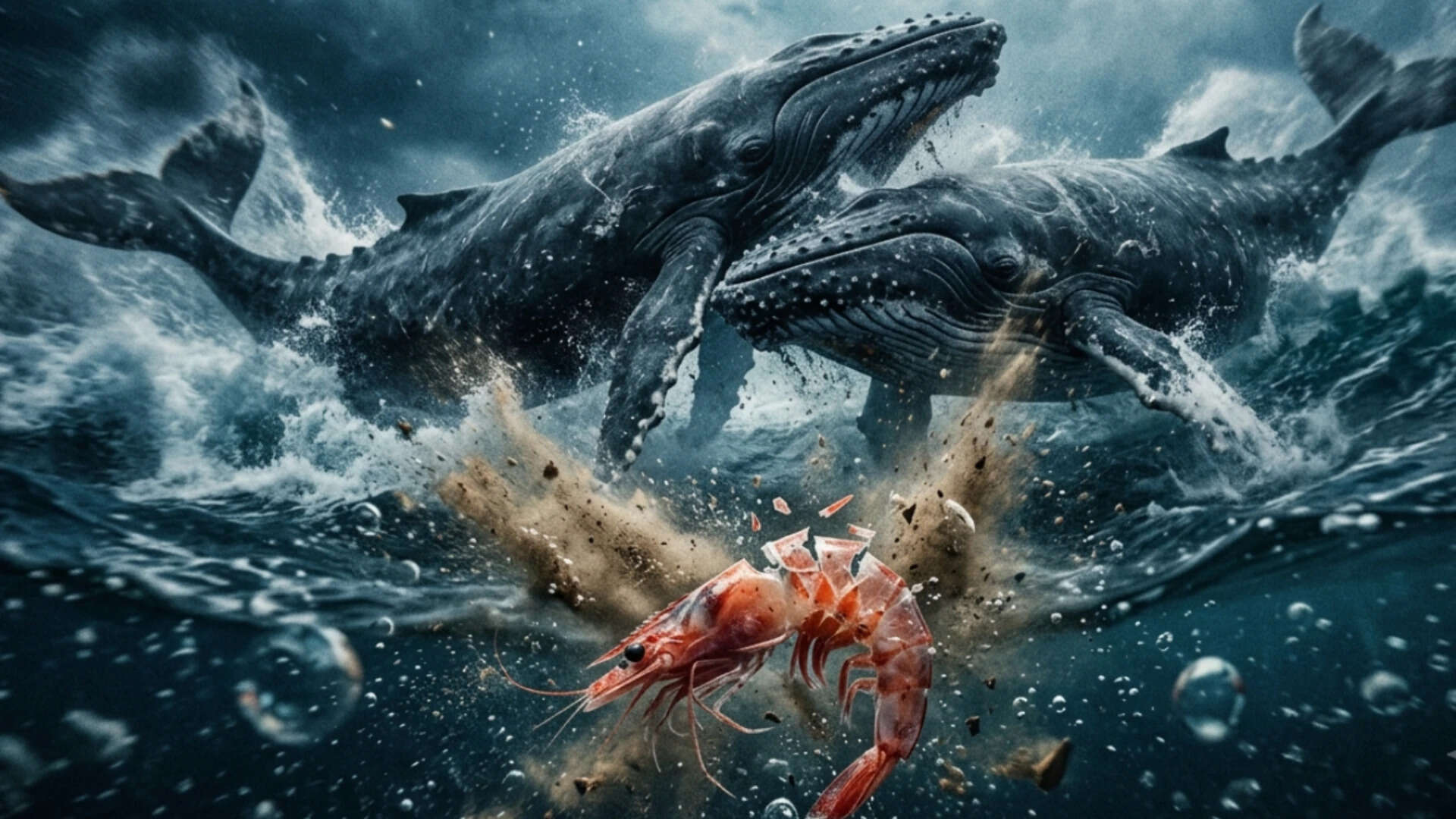
Literally translating to "When whales fight, the shrimp's back gets broken," the proverb uses the stark contrast between an enormous whale and a tiny shrimp to symbolize overwhelming power versus vulnerability. The shrimp, not participating in the battle, is nonetheless injured simply by proximity. This powerful visual has ensured the saying's endurance through generations.
While frequently invoked in discussions of international relations, particularly concerning the Korean Peninsula's historical position between larger regional powers, the proverb's wisdom is far-reaching. It applies equally to everyday scenarios: the fallout from a bitter divorce impacting children, layoffs resulting from executive disputes, or even the collateral damage experienced by ordinary citizens during geopolitical power struggles.
It is a reminder that conflicts between the powerful rarely stay confined to the powerful. More often than not, the people who pay the highest price are those with the least influence.
Scholars have traced the proverb back to at least the 17th century, with writer Hong Man-jong including a version in his work Sunoji. Its presence in literature suggests it was already a well-established part of common speech, originating from the daily conversations of farmers, fishermen, and merchants before being formally documented. The proverb's enduring relevance highlights a timeless truth about power dynamics and their impact on the less influential.
The contrast between the enormous whale and the tiny shrimp is deliberate. One represents overwhelming power; the other symbolizes vulnerability.
DistantNews Editorial
Originally published by Times of India. Summarized and contextualized by our editorial team with added local perspective. Read our editorial standards.
More Stories



From Our Blog

What Press Freedom Means for the News You Read

What Gets Lost (and Found) When News Is Translated

The Critical Role of Diaspora Media in Global News

What Travellers Should Know About Countries with Restricted Press

A Digital Nomad's Guide to Following Local News
