

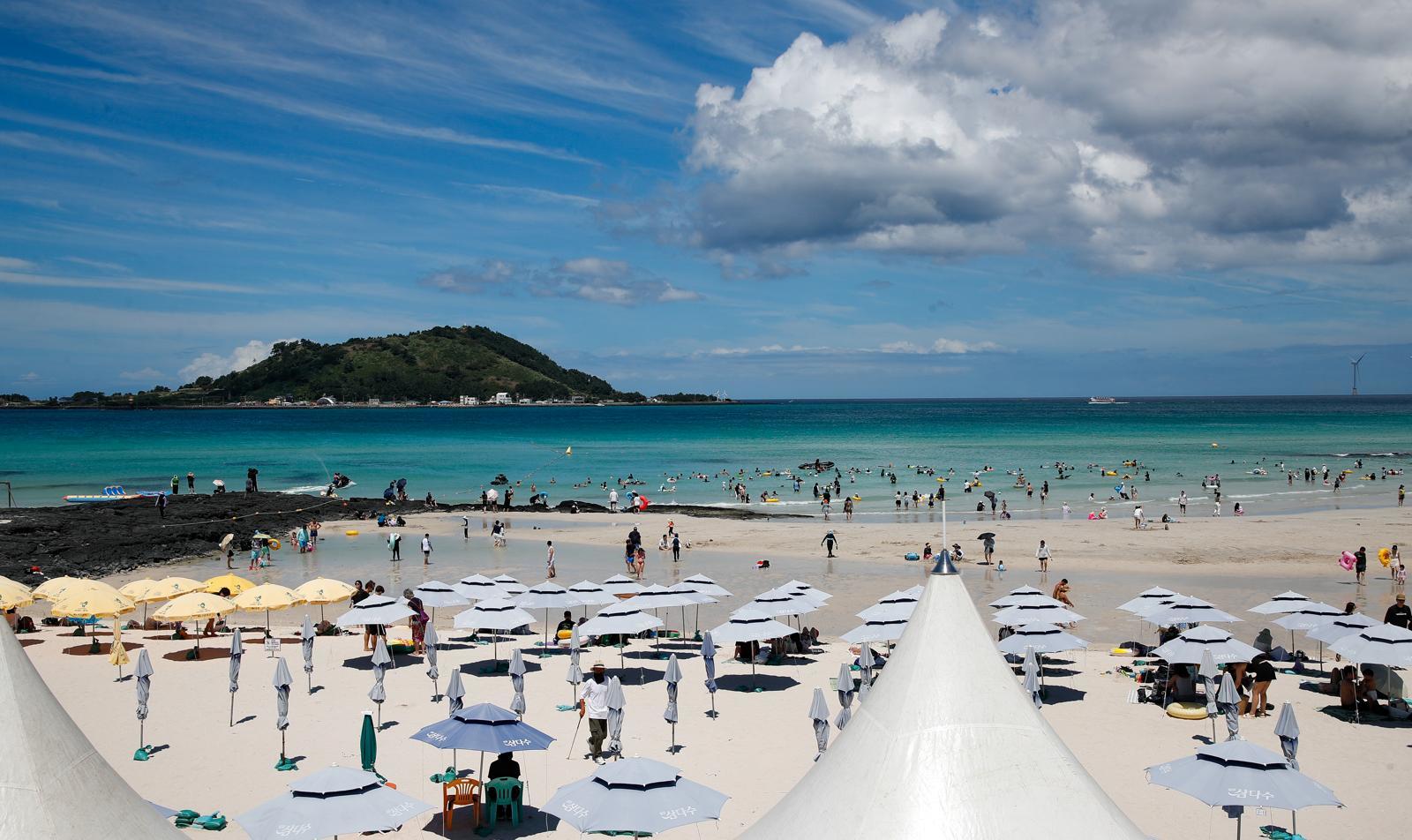

Korean Seas Warming Twice as Fast as Global Average, Marine Heatwaves Surge
Translated from Korean, summarized and contextualized by DistantNews.
At a glance
News
Named sources
Context piece
- Seas around South Korea are warming at twice the global average rate, with sea surface temperatures rising by 0.7 degrees Celsius over the past decade.
- Marine heatwaves, defined as sea surface temperatures in the top 10% for over five days, have increased nearly fourfold in the last 10 years.
- Projections indicate continued warming even with reduced carbon emissions, with sea surface temperatures expected to rise further by the end of the century.
The seas surrounding South Korea are experiencing warming at an alarming rate, significantly exceeding the global average. Over the last decade, sea surface temperatures have risen by 0.7 degrees Celsius, which is more than double the global increase during the same period.
The sea surface temperature around our country rose by 0.7 degrees compared to the average, which is more than double the global sea surface temperature rise.
This warming trend is manifesting in more frequent and intense marine heatwaves. These events, characterized by sea surface temperatures remaining in the top 10% of normal for at least five consecutive days, have surged by approximately 3.7 times in the past 10 years compared to the baseline period. The intensity of these heatwaves has also increased slightly.
The East Sea (Sea of Japan) is particularly affected, showing a more pronounced warming trend. Here, sea surface temperatures have risen by 0.8 degrees Celsius in the last decade, with marine heatwaves occurring more frequently and intensely than in other Korean waters. The ocean's heat capacity has also increased significantly in this region, more than double the global average.
Marine heatwaves occurred 3.7 times more frequently in the last 10 years compared to the average.
Compounding these concerns are future climate projections. Even under scenarios where carbon emissions are significantly reduced, the warming trend in Korean waters is expected to continue. Models predict further increases in sea surface temperatures by the end of the century, with marine heatwaves becoming even more common and severe. This persistent warming is attributed to the cumulative effect of past greenhouse gas emissions, suggesting a long-term impact on marine ecosystems.
Even in a low-carbon scenario where carbon neutrality is achieved by the end of the 21st century, sea surface temperatures are projected to rise by 1.5 degrees Celsius by the end of the century.
DistantNews Editorial
Originally published by Hankyoreh in Korean. Translated, summarized, and contextualized by our editorial team with added local perspective. Read our editorial standards.
More Stories

From Our Blog

What Gets Lost (and Found) When News Is Translated

The Critical Role of Diaspora Media in Global News

What Travellers Should Know About Countries with Restricted Press

A Digital Nomad's Guide to Following Local News

How the Same Story Looks Different in Different Countries
