


KOSPI-KOSDAQ Decoupling: Focus on Companies, Not Just Indices
Translated from Korean, summarized and contextualized by DistantNews.
At a glance
Analysis
Named sources
Context piece
- The KOSPI has surged significantly this year, reaching new highs, while the KOSDAQ market has lagged behind, causing frustration for retail investors.
- The KOSPI's rise is driven by AI infrastructure-related companies, whereas the KOSDAQ is dominated by bio-related firms, with fewer AI-focused businesses.
- High interest rates and an inefficient delisting process are cited as factors contributing to the KOSDAQ's underperformance.
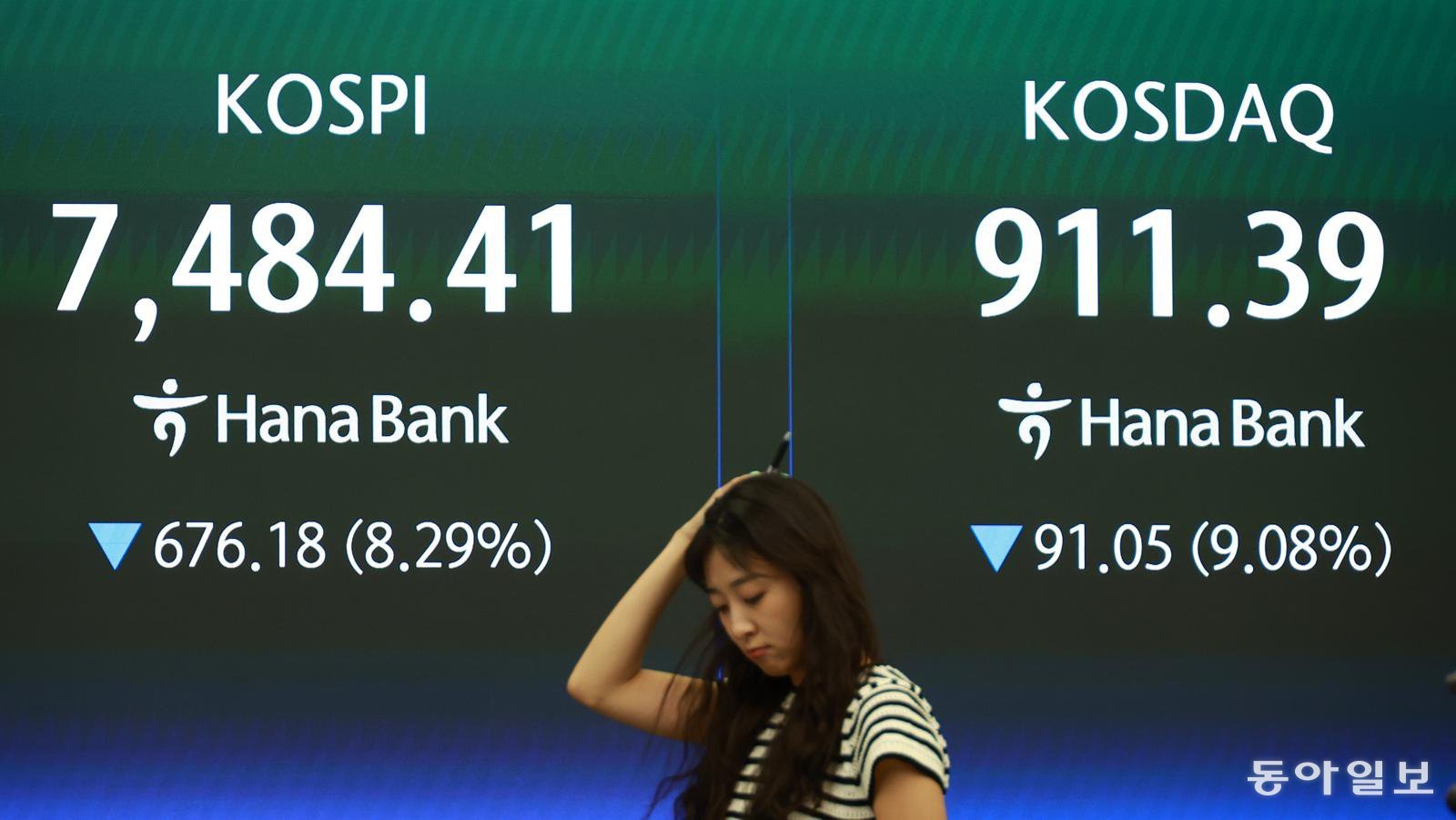
The South Korean stock market is exhibiting a divergence, with the KOSPI index reaching new heights while the KOSDAQ market struggles, leading to a sense of relative deprivation among retail investors heavily invested in the latter. The KOSPI has seen a substantial rise, even ranking among the top global markets by market capitalization, while the KOSDAQ's gains have been more modest and recently diminished by a market downturn.
The KOSPI has surged this year, reaching 8,800 and ranking 6th-7th globally in market capitalization, yet the KOSDAQ market remains relatively sluggish.
This disparity is largely attributed to the differing composition of the two markets. The KOSPI's ascent is fueled by companies involved in artificial intelligence infrastructure, a key global growth sector. In contrast, the KOSDAQ is dominated by biotechnology firms, with a limited number of AI-related companies among its top constituents. While some battery and robot companies have entered the KOSDAQ's top 10, the core AI infrastructure players are concentrated elsewhere.
The KOSPI's rise is concentrated in companies related to AI infrastructure investment, while the KOSDAQ market's top market cap stocks are mostly bio-related companies.
Further exacerbating the KOSDAQ's situation are external economic factors and structural issues. High interest rates negatively impact the valuation of KOSDAQ companies, many of which are valued based on future potential rather than current earnings. The discount rate applied to future profits increases with higher interest rates, diminishing their present value. Additionally, the KOSDAQ market has a history of a high entry rate for new companies but a comparatively low delisting rate, leading to a proliferation of potentially underperforming businesses and inefficient capital allocation.
The future is often more important than current performance for KOSDAQ companies. The original goal of the KOSDAQ market is to foster companies with brilliant ideas and technological capabilities that can elevate their status beyond one level.
Experts advise investors to focus on individual companies rather than market indices. The key is to identify businesses that are meaningfully participating in the global AI infrastructure boom, demonstrate strong profitability relative to competitors, and are not overvalued. In the current high-interest-rate environment, prioritizing companies with near-term earnings potential and robust financial health to withstand economic pressures is crucial.
Therefore, what is truly important for investors is to choose companies that can meaningfully participate in the AI infrastructure investment that is leading the global stock market rally, regardless of whether they are in the KOSPI or KOSDAQ market, companies that are earning high profits compared to their competitors in their respective fields, and companies that are not expensive compared to those expectations.
DistantNews Editorial
Originally published by Hankyoreh in Korean. Translated, summarized, and contextualized by our editorial team with added local perspective. Read our editorial standards.
More Stories


From Our Blog

What Gets Lost (and Found) When News Is Translated

The Critical Role of Diaspora Media in Global News

What Travellers Should Know About Countries with Restricted Press

A Digital Nomad's Guide to Following Local News

How the Same Story Looks Different in Different Countries
