


South Korean Markets Plunge in 'Black Monday' Sell-off
Translated from Korean, summarized and contextualized by DistantNews.
At a glance
News
Sources not specified
Outcome reported
- South Korea's stock markets experienced a sharp decline on June 8, with the KOSPI falling over 8% and the KOSDAQ dropping below 1,000 points.
- The market downturn was attributed to a combination of factors, including a drop in US semiconductor stocks and expectations of further interest rate hikes by the US Federal Reserve.
- Both KOSPI and KOSDAQ saw circuit breakers triggered due to the rapid sell-off, marking a 'Black Monday' for investors.
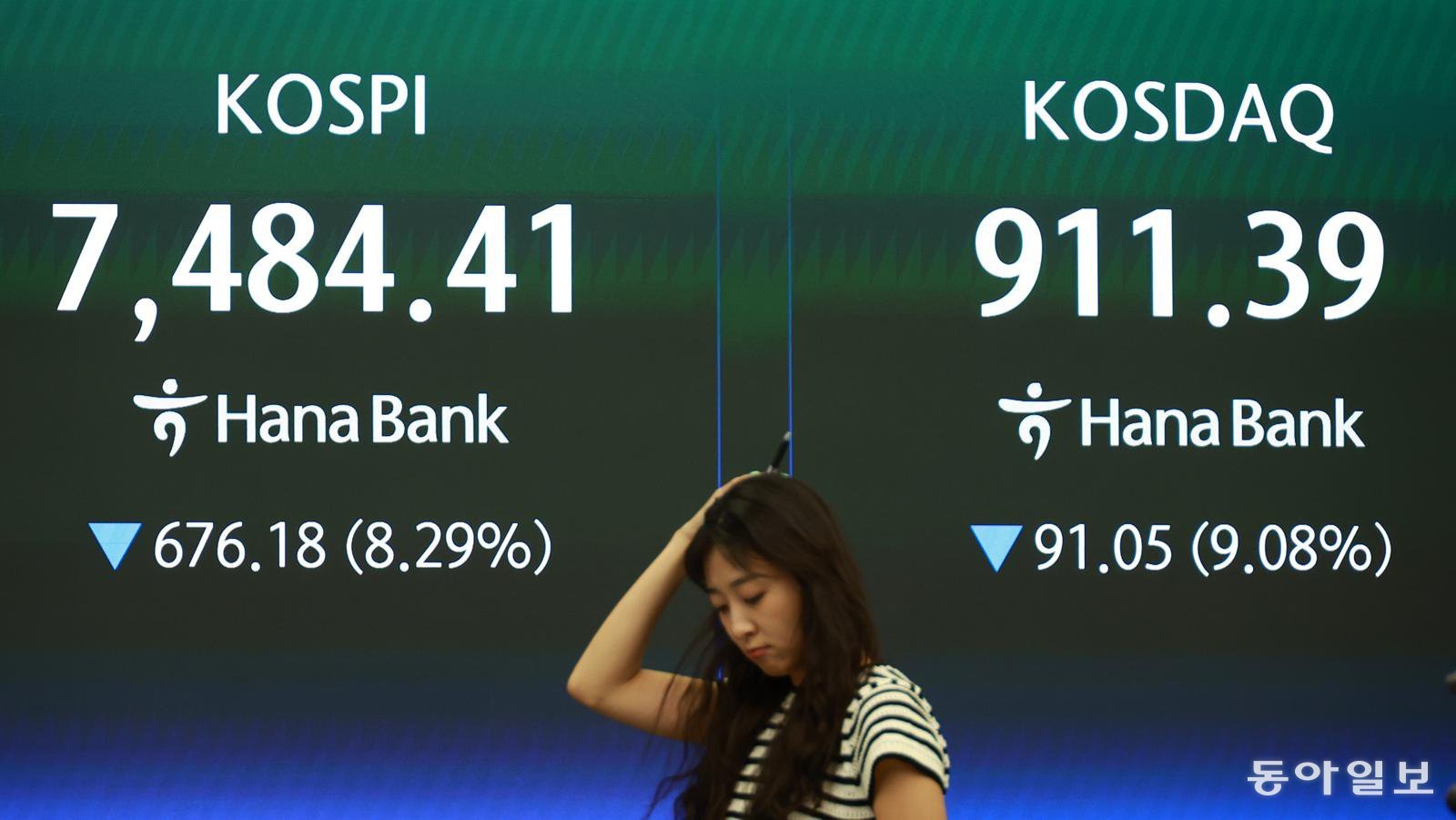
South Korean stock markets plunged dramatically on June 8, with the benchmark KOSPI index closing down over 8% and the KOSDAQ falling below the 1,000-point threshold for the first time in four months. The day's trading was characterized by a widespread sell-off, leading to the markets being dubbed 'Black Monday'.
The sharp decline was triggered by negative sentiment originating from the US market. A significant drop in US semiconductor stocks and growing expectations of further interest rate hikes by the US Federal Reserve eroded investor confidence. This, combined with the perception that domestic stocks had risen too rapidly in a short period, fueled the sell-off.
Both the KOSPI and KOSDAQ experienced significant drops immediately after the market opened, prompting the activation of circuit breakers and trading halts in both markets. The KOSPI finished the day down 8.29% at 7,484.41 points, while the KOSDAQ plummeted 9.08% to close at 911.39 points.
The won-to-dollar exchange rate also saw volatility, initially rising before falling to 1,535.0 won per dollar by the end of the week, influenced by verbal interventions from South Korean financial authorities.
DistantNews Editorial
Originally published by Dong-A Ilbo in Korean. Translated, summarized, and contextualized by our editorial team with added local perspective. Read our editorial standards.
More Stories



From Our Blog

What Gets Lost (and Found) When News Is Translated

The Critical Role of Diaspora Media in Global News

What Travellers Should Know About Countries with Restricted Press

A Digital Nomad's Guide to Following Local News

How the Same Story Looks Different in Different Countries
