

KOSPI's recent fall is due to speeding; rally expected after June adjustment
Translated from Korean, summarized and contextualized by DistantNews.
At a glance
News
Sources not specified
Context piece
- South Korea's KOSPI index has seen sharp declines due to short-term overheating and global economic concerns.
- An expert likens the market's volatility to indigestion from overeating or a speeding ticket, calling it a temporary adjustment.
- The market is expected to rebound in the second half of the year after a consolidation period in June, with strong earnings anticipated for major tech companies.
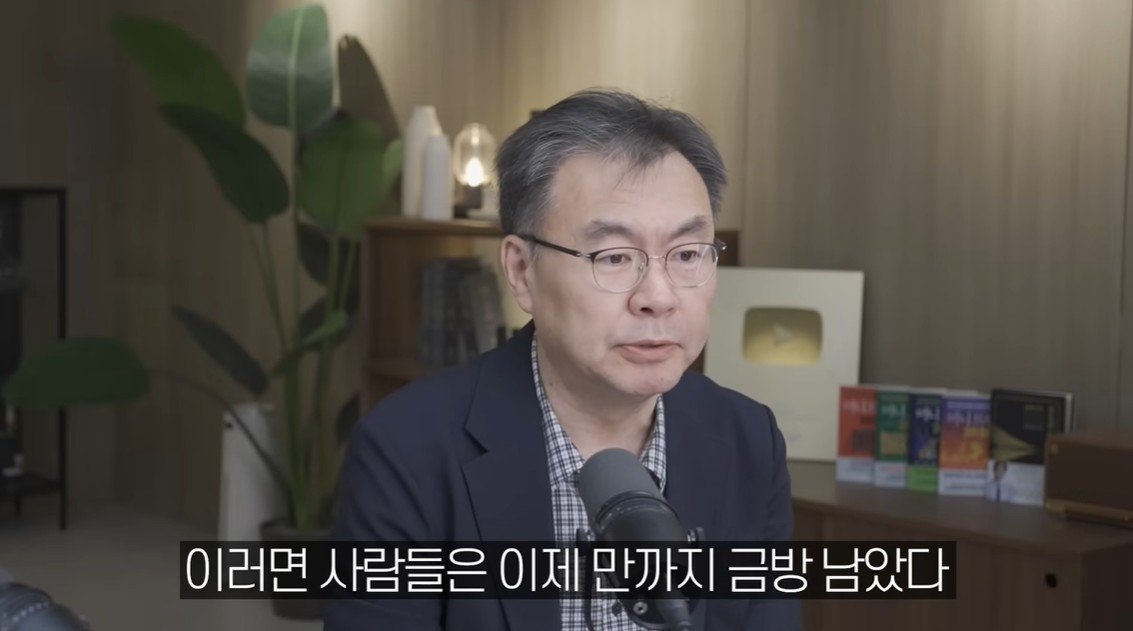
The South Korean stock market, KOSPI, is experiencing a significant downturn, a situation that Kim Dong-yeop, head of ES Investment Research, attributes to a temporary adjustment following a period of rapid gains and global economic instability. Kim likened the market's current volatility to "indigestion from overeating or a speeding ticket," suggesting that the rapid ascent of the index, which climbed from 6000 to 8000 in just 47 days and then to 8900 in a mere three days, has led to a temporary overheating.
The recent decline in KOSPI is due to speeding... a rally will come after adjustments in June.
Several factors are contributing to the market's decline. Kim pointed to renewed concerns over an "AI bubble," citing conservative forecasts from companies like Broadcom, which have overshadowed positive results from industry leaders like Nvidia and Micron. This, combined with fears of an extended conflict in Iran and the possibility of further U.S. interest rate hikes, has created a challenging environment. The pronounced volatility in the South Korean market, Kim explained, is partly due to the heavy weighting of Samsung Electronics and SK Hynix, which together account for about 50% of the market capitalization. Their rapid rise and subsequent fall have amplified market swings. He also noted that domestic factors, including forced selling by retail investors and broader international market instability, have played a significant role in the market's self-inflicted downturn.
It feels like indigestion from overeating or a speeding ticket.
Despite the current turbulence, Kim remains optimistic about the latter half of the year. He anticipates a "rest period" in June, followed by a potential rally in July and August as cooler weather approaches. Kim forecasts a substantial increase, over 60%, in the combined second-quarter operating profit of Samsung Electronics and SK Hynix compared to the previous quarter. However, he also cautioned that the market might be nearing its peak, noting that the index has already quadrupled since last year. With a potential upside of only about 20% to a hypothetical 12,000, Kim questioned whether investors would push the index further, suggesting it's a time for careful consideration.
The KOSPI index took 47 days to go from 6000 to 7000, but only 7 days from 7000 to 8000, and just 3 days to hit 8900.
DistantNews Editorial
Originally published by Dong-A Ilbo in Korean. Translated, summarized, and contextualized by our editorial team with added local perspective. Read our editorial standards.
More Stories



From Our Blog

What Gets Lost (and Found) When News Is Translated

The Critical Role of Diaspora Media in Global News

What Travellers Should Know About Countries with Restricted Press

A Digital Nomad's Guide to Following Local News

How the Same Story Looks Different in Different Countries
