


KOSPI Surges Over 4% After Previous Day's Near 10% Plunge, Led by Semiconductor Stocks
Translated from Korean, summarized and contextualized by DistantNews.
At a glance
News
Sources not specified
Ongoing story
- South Korea's KOSPI stock index surged over 4% in early trading on June 24, recovering from a nearly 10% plunge the previous day.
- The rebound was driven by strong buying interest in major semiconductor stocks like Samsung Electronics and SK Hynix.
- This recovery occurred despite South Korea's failure to be included in the MSCI developed markets index, which had contributed to the previous day's sharp decline.
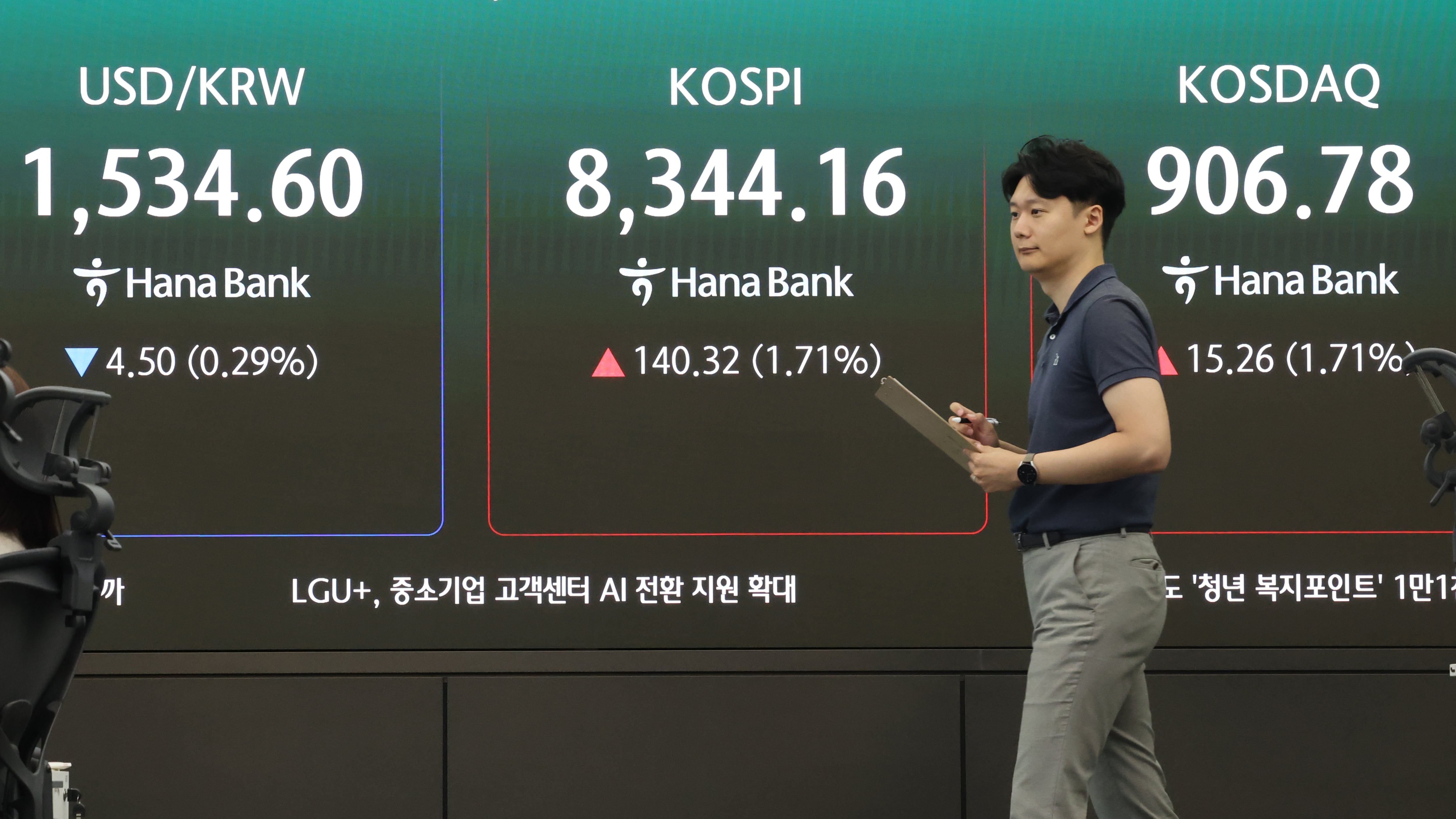
South Korea's KOSPI index experienced a significant rebound on June 24, soaring over 4% in early trading after suffering a dramatic nearly 10% fall the previous day. The market showed resilience, recovering from a sharp decline that had triggered both a trading sidecar and a circuit breaker on June 23.
The recovery was largely fueled by a strong influx of buying activity, particularly in large-cap semiconductor stocks. Samsung Electronics saw its share price jump 8.55%, while SK Hynix rose by 4.93% in early trading. This renewed investor confidence in the semiconductor sector appeared to outweigh the disappointment of South Korea's exclusion from the MSCI developed markets index, a factor that had significantly impacted the market negatively the day before.
Analysts suggest that the substantial drop on June 23 created an attractive entry point for investors, leading to a buying spree in fundamentally strong companies. The semiconductor industry, a cornerstone of the South Korean economy, remains a key focus for both domestic and international investors, despite global market fluctuations and specific index inclusion setbacks.
The market's swift recovery highlights the underlying strength and volatility within the South Korean stock market. While the MSCI index news caused a significant shock, the rapid return of buying interest, especially in tech giants, indicates a strong underlying belief in the long-term prospects of these companies and the broader Korean economy.
DistantNews Editorial
Originally published by Hankyoreh in Korean. Translated, summarized, and contextualized by our editorial team with added local perspective. Read our editorial standards.
More Stories


From Our Blog

What Gets Lost (and Found) When News Is Translated

The Critical Role of Diaspora Media in Global News

What Travellers Should Know About Countries with Restricted Press

A Digital Nomad's Guide to Following Local News

How the Same Story Looks Different in Different Countries
