



Record current account surplus fails to lift South Korean won; National Pension Service eyed
Translated from Korean, summarized and contextualized by DistantNews.
At a glance
Analysis
Documents & data
Context piece
- Despite a significant current account surplus, the South Korean won has weakened against the US dollar, reaching over 1,500 won per dollar.
- This trend is unusual, as a surplus typically strengthens a currency, leading economists to explore various contributing factors.
- Potential causes include increased overseas investments by South Koreans, corporate dollar holdings, and foreign investor stock sales, which are altering traditional currency dynamics.
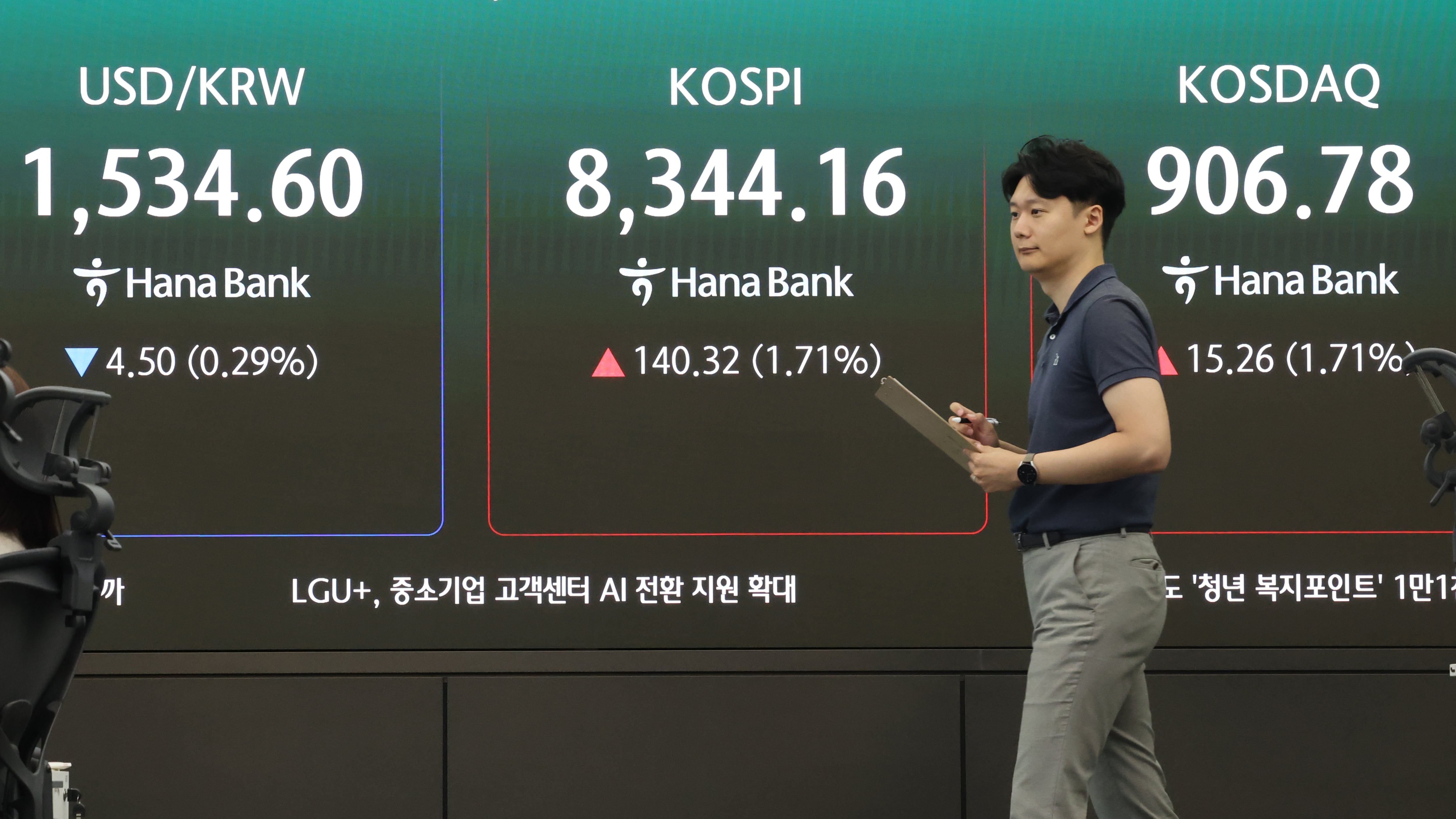
South Korea's currency, the won, has experienced a notable weakening against the US dollar, surpassing the 1,500 won mark, a development that puzzles economists given the country's substantial current account surplus.
Typically, a strong current account surplus, driven by robust exports like semiconductors, would lead to a stronger won. However, since the beginning of the year, the won has depreciated significantly, reaching levels comparable to the global financial crisis. Data from January to April showed a surplus of approximately $102.7 billion, yet the exchange rate continued to climb.
Analysts point to several complex factors influencing the currency's trajectory. These include interest rate differentials between South Korea and the US, liquidity growth, economic growth rates, and currency expectations. Some suggest that increased individual investments in US stocks by South Koreans, often referred to as 'Seohak-gami,' may be contributing to the dollar's strength.
Furthermore, a structural shift in South Korea's external sector is observed. Since 2014, the country has transitioned to being a net external asset holder, with a growing portion of these assets held in private investments like foreign stocks, rather than central bank reserves. This means that current account surpluses are increasingly being channeled into capital outflows, weakening the traditional mechanism where surpluses automatically strengthen the currency.
Recent reports highlight that South Korean companies are holding onto their dollar earnings abroad rather than converting them to won, creating what one researcher termed 'DRam dollars,' a parallel to 'petrodollars.' Additionally, foreign investors have been selling off South Korean stocks, leading to significant capital outflows. The government has attempted measures, such as tax incentives for domestic investment, but their impact has been limited, underscoring the need for broader economic strategies to stabilize the currency.
DistantNews Editorial
Originally published by Hankyoreh in Korean. Translated, summarized, and contextualized by our editorial team with added local perspective. Read our editorial standards.
More Stories


From Our Blog

What Gets Lost (and Found) When News Is Translated

The Critical Role of Diaspora Media in Global News

What Travellers Should Know About Countries with Restricted Press

A Digital Nomad's Guide to Following Local News

How the Same Story Looks Different in Different Countries
