


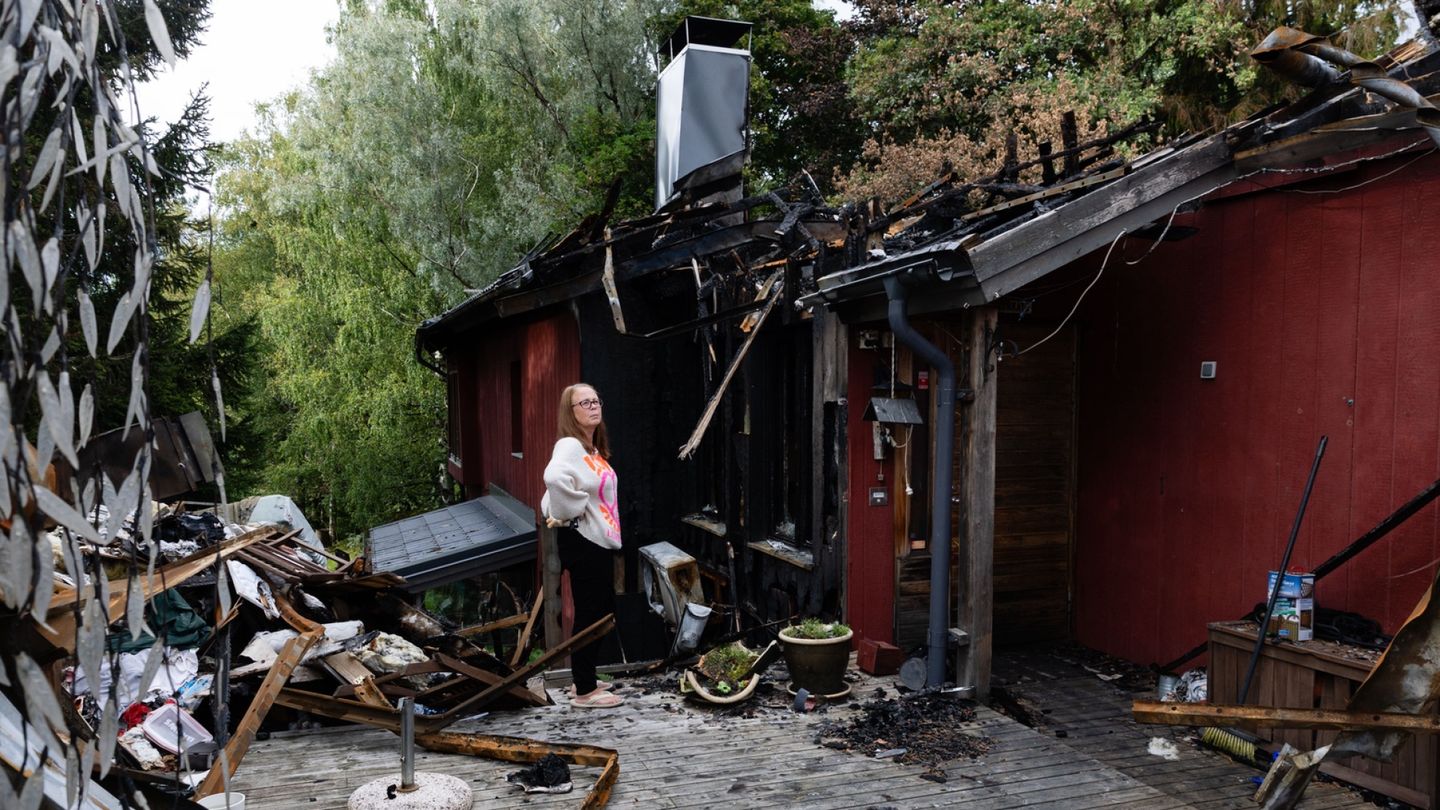

Krakatau volcano erupts three more times in Indonesia
Translated from Finnish and summarized by DistantNews. Read the original for the full story.
At a glance
News
From a news agency
Ongoing story
- Krakatau erupted three times on Tuesday, although the eruptions were smaller than earlier activity, Reuters reported.
- Ash disrupted flights, affecting nearly 3,000 flights and more than 340,000 passengers, while some airports reopened as winds cleared the ash.
- Authorities urged residents to wear masks outdoors, and many schools moved to remote learning.
Krakatau’s eruptions continued in Indonesia on Tuesday, when the volcano erupted three times. The new eruptions were smaller than the earlier ones, Reuters reported.
The volcano sits in the Sunda Strait between Java and Sumatra. Its activity began last Friday and spread large amounts of ash across nearby areas, disrupting aviation and daily life for local residents.
Several airports that had closed reopened on Tuesday after winds blew the ash away. They included Soekarno-Hatta International Airport, the main airport serving the Jakarta metropolitan area. Two smaller airports remained closed on Tuesday morning, Finnish time, and Reuters said further eruptions could still disrupt flights.
Indonesia’s Transport Ministry said on Monday that the eruption had affected nearly 3,000 flights. Airlines had to cancel, delay or divert flights, changes that affected more than 340,000 passengers. Authorities urged people to wear masks outdoors on Sunday, while schools in many areas switched to remote learning.
Krakatau has erupted with catastrophic consequences before. Its 2018 eruption triggered a tsunami that struck the coasts of Java and Sumatra and killed more than 400 people. The 1883 eruption ranks among the most destructive in history, with more than 36,000 people estimated to have died in the eruption and the tsunami that followed.
Krakatau is one of about 130 active volcanoes in Indonesia and forms part of the Pacific Ring of Fire. The more than 40,000-kilometer-wide volcanic belt follows the Pacific coastline, and about 90% of the world’s earthquakes occur along it. Four of the largest volcanic eruptions of the past 12,000 years also occurred on the Ring of Fire.
About this summary
Originally published by Helsingin Sanomat in Finnish. Translated, summarized, and contextualized automatically by DistantNews, with a note on how the source frames the story. Not individually reviewed before publishing. How this works.
More Stories


From Our Blog

News in Translation: What Gets Lost, and How We Keep the Framing

Diaspora Media: How Communities Follow News From Home

Traveling Where the Press Is Not Free: How to Read the News There

The Digital Nomad's Guide to Local News

The Same Story, Different Countries: How Coverage Changes at the Border
