


Krzysztof Stanowski's 'Kanał Zero': A Problem or the Future of Polish Media?
Translated from Polish, summarized and contextualized by DistantNews.
At a glance
Analysis
Sources not specified
Context piece
- A podcast episode discusses Krzysztof Stanowski's "Kanał Zero" media project, analyzing its model and impact on the Polish media landscape.
- The discussion explores why the project attracts millions of viewers and what its success signifies for other media outlets.
- The conversation also touches on the changing media consumption habits due to the internet, the race for algorithms, and the future of journalism, particularly concerning subscription models.
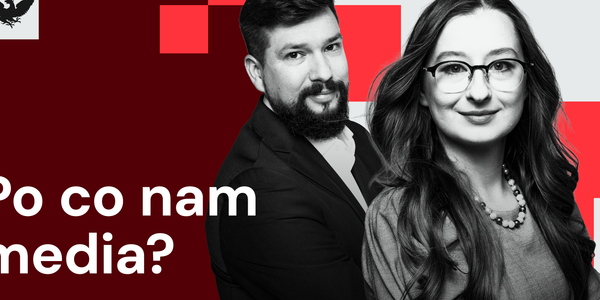
A recent episode of the podcast "Rzecz o idei" (A Matter of Idea) scrutinizes the phenomenon of "Kanał Zero," a media project spearheaded by Krzysztof Stanowski. Co-hosts Michał Płociński and Estera Flieger examine the project's operational model and its significant position within Poland's media ecosystem. They delve into the reasons behind its massive audience appeal, attracting millions of viewers, and consider what lessons its success might offer to established media organizations.
In a sense, Zero is also becoming an identity medium.
The discussion extends to the broader implications of "Kanał Zero," including Roch Zygmunt's thesis from Klub Jagielloński that Stanowski represents a new era, akin to Adam Michnik's influence in Polish media. Flieger suggests that "Kanał Zero" functions as an identity-forming medium, albeit one characterized by a "lack of identity" or even "anti-identity." She argues that the intense emotions it evokes are crucial for building a sense of shared identity among its audience, particularly one rooted in rebellion and anti-establishment sentiment. Płociński adds that providing such a platform for this demographic is ultimately beneficial.
It is an identity medium without identity. Even anti-identity. But the point is that these emotions are identity-forming – they strongly connect these people, build an identity of rebellion and anti-system.
Beyond "Kanał Zero," the podcast tackles the profound shifts in information consumption driven by the internet. Płociński and Flieger analyze how media outlets increasingly chase algorithmic visibility and the consequences for journalism when reach and publication speed become paramount. They also offer a critical assessment of public and local media, with Flieger asserting that independent local media possess the genuine power to influence reality, unlike public television, which remains entangled in political disputes. Płociński advocates for subscriptions as the sole viable business model for the future of journalism, believing it allows media to prioritize reader needs over viral trends.
And let's be honest: is it bad that these people have their medium? I think it's great that they have it.
DistantNews Editorial
Originally published by Rzeczpospolita in Polish. Translated, summarized, and contextualized by our editorial team with added local perspective. Read our editorial standards.
More Stories

From Our Blog

What Gets Lost (and Found) When News Is Translated

The Critical Role of Diaspora Media in Global News

What Travellers Should Know About Countries with Restricted Press

A Digital Nomad's Guide to Following Local News

How the Same Story Looks Different in Different Countries
