


Kuwait intercepts dozens of Iranian drones and missiles amid heightened regional tensions
Translated from English, summarized and contextualized by DistantNews.
At a glance
News
Named sources
Context piece
- Kuwait detected and dealt with 77 hostile drones and 18 missiles in its airspace, including ballistic and cruise missiles, from Wednesday to Thursday.
- The attacks caused material damage and injured six people, including four members of the Kuwaiti armed forces, with three border posts also damaged.
- Analysts suggest Gulf states should prepare for further Iranian retaliation and respond to the sources of fire, citing Iran's disregard for Gulf sovereignty.
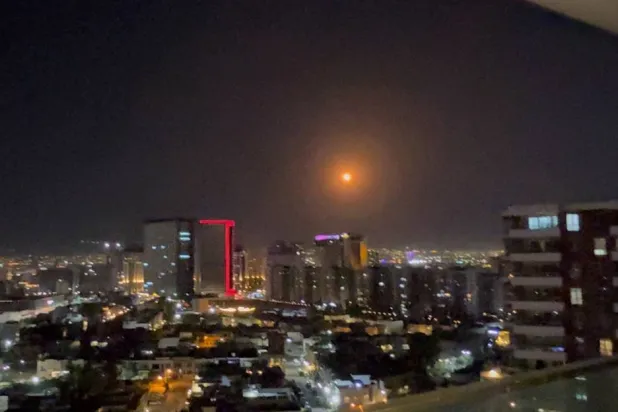
Kuwait's airspace was breached by approximately 77 hostile drones and 18 missiles between Wednesday and early Thursday, according to an Asharq Al-Awsat tally. Kuwaiti forces successfully intercepted or neutralized these threats, which included eight ballistic and ten cruise missiles. The recent attacks were notable for resulting in casualties and damage. Kuwait reported that several strikes targeted vital facilities, scattering debris and injuring six individuals, four of whom were members of the armed forces. Additionally, three land border posts in northern Kuwait sustained damage and one person was injured.
Gulf Cooperation Council states should prepare for further Iranian retaliation following US attacks. Gulf states to respond to the sources of fire rather than remain on the defensive.
Kuwait's Defense Minister, Sheikh Abdullah Al-Sabah, visited the injured to check on their condition. The country's consulate general in Basra, Iraq, was also targeted again on Monday. Kuwait condemned this attack, acknowledging Iraq's efforts to prevent such incidents while calling for "immediate and decisive" action to hold those responsible accountable and prevent recurrence. Neighboring Gulf states expressed broad condemnation and solidarity.
Academic and political researcher Ayed al-Manaa advised Gulf Cooperation Council states to prepare for further Iranian retaliation, urging them to respond directly to the sources of attacks rather than remaining defensive. He stated that Iran's actions demonstrate a lack of respect for Gulf sovereignty and neighborly relations. Al-Manaa emphasized that Gulf states, which maintain peaceful relations and trade with Iran, must increase their readiness to confront and respond to future attacks.
Iran’s conduct reflected a lack of respect for Gulf sovereignty and a disregard for fraternal ties, neighborly relations and shared religious bonds.
Political analyst Khaled al-Habbas commented on the renewed fighting between Washington and Tehran, suggesting the failure of a mid-June memorandum of understanding highlighted its broad and ambiguous nature. He pointed to uncertainty surrounding provisions on the Strait of Hormuz, Iran's nuclear program, sanctions, and frozen assets. Al-Habbas also cited deep hostility, mistrust, and the aggressive nature of the conflict as driving factors.
the memorandum of understanding reached in mid-June was broad and highly ambiguous.
DistantNews Editorial
Originally published by Asharq Al-Awsat in English. Translated, summarized, and contextualized by our editorial team with added local perspective. Read our editorial standards.
More Stories


From Our Blog

What Gets Lost (and Found) When News Is Translated

The Critical Role of Diaspora Media in Global News

What Travellers Should Know About Countries with Restricted Press

A Digital Nomad's Guide to Following Local News

How the Same Story Looks Different in Different Countries
