


Kuwait intercepts Iranian missile attack, six injured
Translated from English, summarized and contextualized by DistantNews.
At a glance
News
Named sources
Context piece
- Iran intensified attacks on Gulf states, with Kuwait experiencing the brunt of drone and missile strikes.
- Kuwaiti forces intercepted numerous threats, but some strikes caused material damage and injured six people, including four members of the armed forces.
- Analysts urge Gulf states to prepare for further retaliation and respond to the sources of Iranian attacks, citing a lack of respect for regional sovereignty.
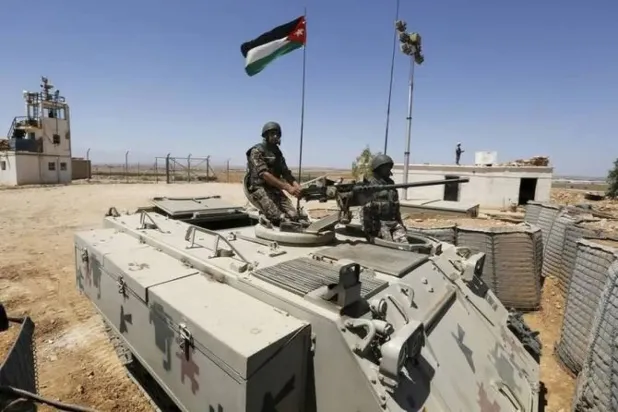
Kuwaiti forces intercepted a barrage of Iranian drones and missiles in recent days, as tensions escalated sharply in the Strait of Hormuz. The attacks, which also targeted vital facilities and border posts, caused material damage and injured six people, including four members of the Kuwaiti armed forces.
Gulf Cooperation Council states should prepare for further Iranian retaliation following US attacks. Gulf states should respond to the sources of fire rather than remain on the defensive.
Kuwait condemned the strikes, particularly an attack on its consulate in Basra, Iraq, and called for accountability. Neighboring Gulf states expressed solidarity, while some analysts urged a more robust response.
Academic and political researcher Ayed al-Manaa advised Gulf Cooperation Council states to prepare for further Iranian retaliation and to strike back at launch sites. He argued that Iran's actions demonstrate a disregard for Gulf sovereignty and neighborly relations, necessitating increased readiness.
Iran’s conduct reflected a lack of respect for Gulf sovereignty and a disregard for fraternal ties, neighborly relations and shared religious bonds.
Political analyst Khaled al-Habbas pointed to the renewed fighting between Washington and Tehran and the failure of a recent ceasefire as evidence of a broad and ambiguous memorandum of understanding. He cited deep hostility, mistrust, and the ongoing crisis as drivers of the conflict.
The continued attacks drew broad condemnation and expressions of solidarity from Gulf states.
DistantNews Editorial
Originally published by Asharq Al-Awsat in English. Translated, summarized, and contextualized by our editorial team with added local perspective. Read our editorial standards.
More Stories


From Our Blog

What Gets Lost (and Found) When News Is Translated

The Critical Role of Diaspora Media in Global News

What Travellers Should Know About Countries with Restricted Press

A Digital Nomad's Guide to Following Local News

How the Same Story Looks Different in Different Countries
