


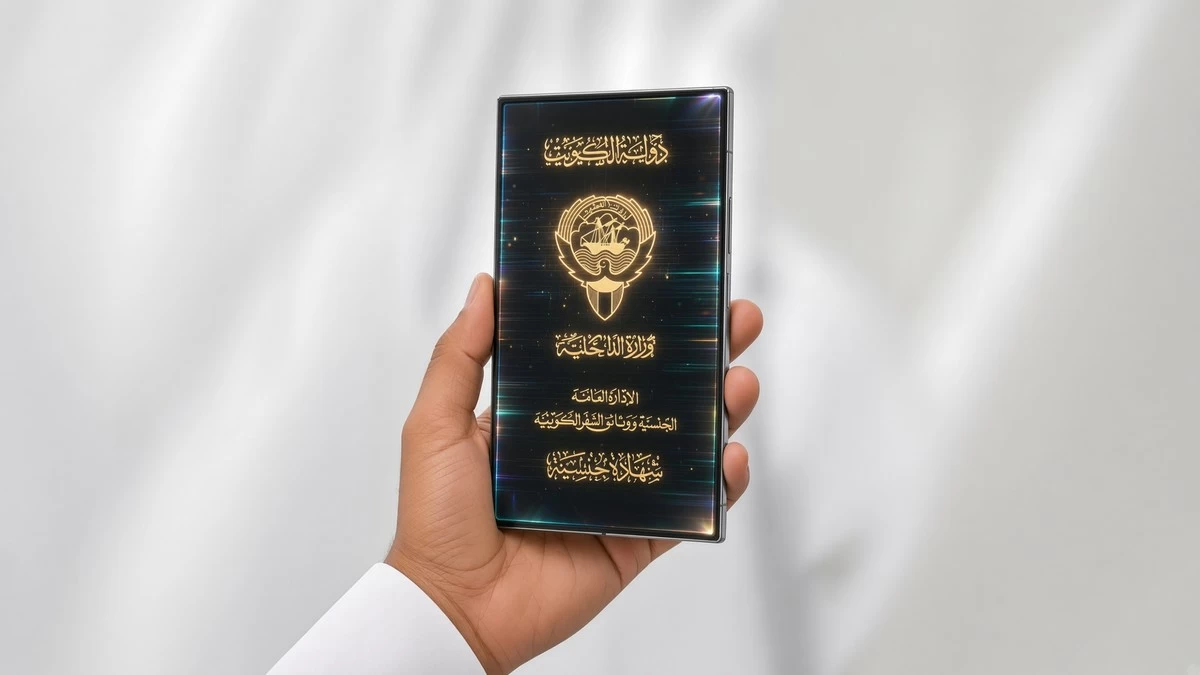
Kuwait Introduces Stricter Nationality Rules and Digital Citizenship Certificates
Summarized and contextualized by DistantNews.
At a glance
News
Official statement
New plan
- Kuwait has amended its Nationality Law to protect national identity and sovereign authority.
- Naturalized citizens are now prohibited from voting or holding parliamentary office.
- The changes also introduce digital citizenship certificates.
Kuwait has implemented significant amendments to its Nationality Law, aiming to bolster national identity, strengthen belonging, and assert the state's sovereign control over citizenship matters. The changes, detailed in an explanatory memorandum published in the official gazette, seek to rectify past practices affecting the citizenship file and establish clearer legal frameworks for granting and revoking nationality. A core objective is to safeguard the state's authority in regulating citizenship. The amendments explicitly prohibit naturalized citizens from voting, running for election, or being appointed to parliamentary bodies, aligning with constitutional provisions that stipulate members of the National Assembly must be Kuwaiti citizens by birth. This measure is intended to ensure that parliamentary representation exclusively comes from those holding Kuwaiti nationality by birth, reinforcing national identity. Furthermore, the law introduces electronic citizenship certificates as part of Kuwait's digital transformation initiative, moving towards a paperless government. These digital certificates will hold the same legal validity as their paper counterparts and will be used for accessing services and benefits. The Minister of Interior will define the technical requirements for these digital certificates. Citizenship may be revoked if a person deliberately adds a non-child or descendant to their citizenship file, or if children/descendants are aware of such an act and fail to report it. These amendments underscore Kuwait's commitment to strengthening its nationality system and preserving its national fabric through stricter legal and regulatory controls.
DistantNews Editorial
Originally published by Arab Times. Summarized and contextualized by our editorial team with added local perspective. Read our editorial standards.
More Stories



From Our Blog

What Gets Lost (and Found) When News Is Translated

The Critical Role of Diaspora Media in Global News

What Travellers Should Know About Countries with Restricted Press

A Digital Nomad's Guide to Following Local News

How the Same Story Looks Different in Different Countries
