

Kuwaiti Official's 'Persian Language' Remark Sparks Outrage, Ignites Debate on Identity
Translated from English and summarized by DistantNews. Read the original for the full story.
At a glance
Analysis
Sources not specified
Context piece
- A former Kuwaiti official's statement about speaking Persian without U.S. military bases has caused public outrage.
- The remark ignited a debate on national identity and Kuwait's historical relationship with Iran.
- The official's comment is seen as contradictory to Kuwait's historical integration of Iranian migrants and its security concerns.
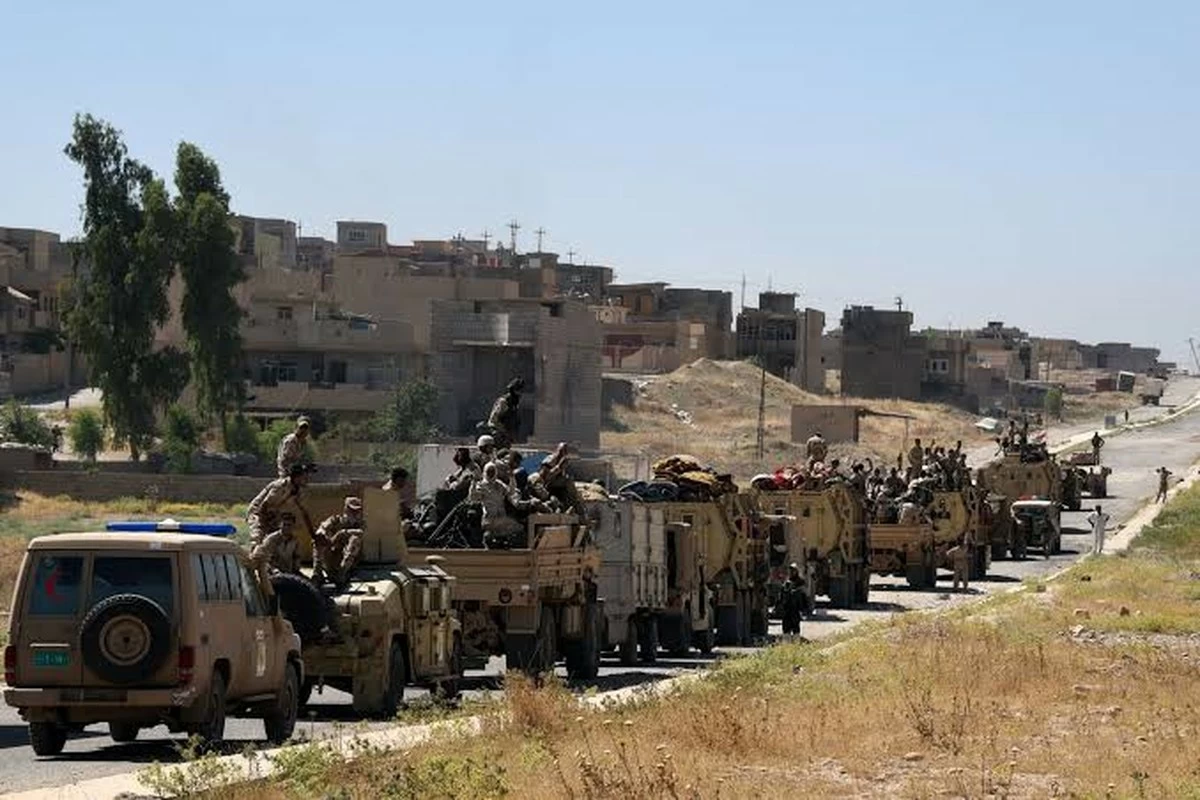
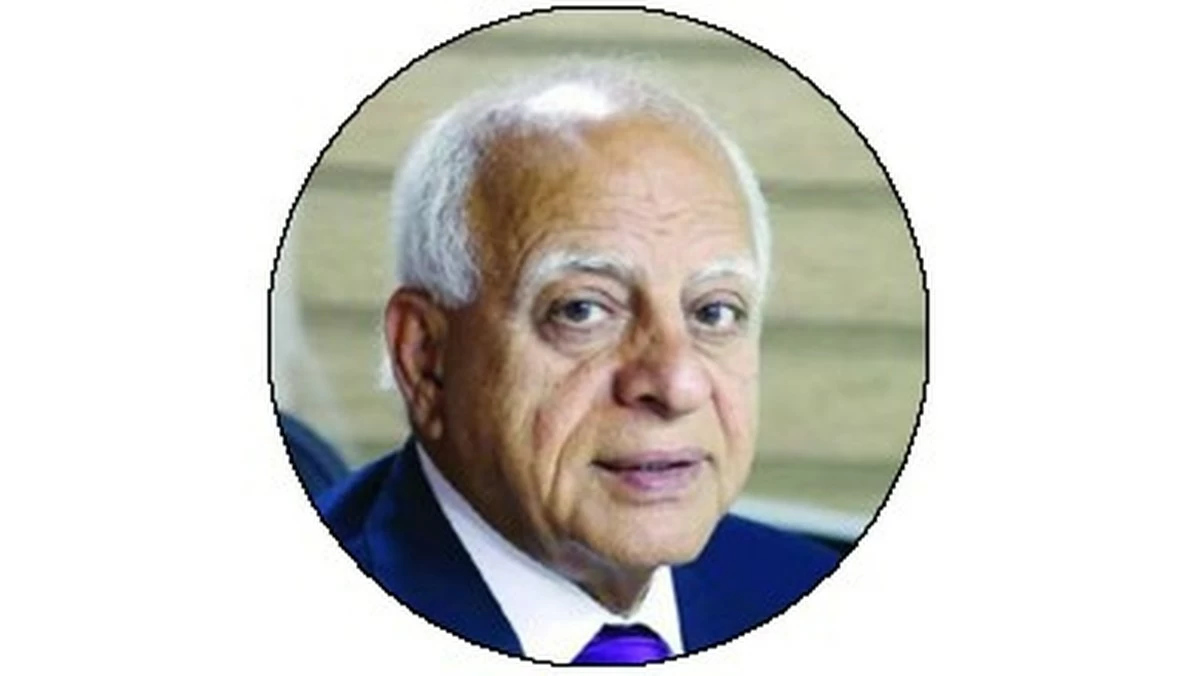
A recent statement by a former Kuwaiti official, asserting that the country would be speaking Persian without American military bases, has ignited a firestorm of public condemnation and debate. The remark, widely criticized as foolish and potentially ill-intentioned, has prompted discussions about national identity and historical ties between Kuwait and Iran.
The official's comment directly contradicts the historical reality of Kuwait, where for centuries, Iranian migrants have integrated into society, largely adopting Arabic while maintaining some cultural connections. Despite close proximity and historical migration from Iran, Kuwait has never been under threat of becoming a "Persian lake," as the official's statement implies. The article highlights that even during periods of strained relations, such as between 1979 and 1990, a full takeover was never a realistic possibility.
This incident also brings to the forefront the concept of "symbolic ethnicity," as observed in countries like the United States, where individuals openly acknowledge their heritage while maintaining a strong national identity. In contrast, the article notes that in some other countries, there's a tendency to distance oneself from origins, sometimes by altering accents, names, or even religious affiliations, in an attempt to conform to the majority.
The controversy underscores the sensitivity surrounding national security, foreign influence, and historical narratives in the Gulf region. The strong negative reaction to the former official's statement reflects a deep-seated Kuwaiti identity and a rejection of narratives that undermine its sovereignty and historical self-determination, especially in light of recent Iranian aggression.
About this summary
Originally published by Arab Times in English. Translated, summarized, and contextualized automatically by DistantNews, with a note on how the source frames the story. Not individually reviewed before publishing. How this works.
More Stories

From Our Blog

What Gets Lost (and Found) When News Is Translated

The Critical Role of Diaspora Media in Global News

What Travellers Should Know About Countries with Restricted Press

A Digital Nomad's Guide to Following Local News

How the Same Story Looks Different in Different Countries
