


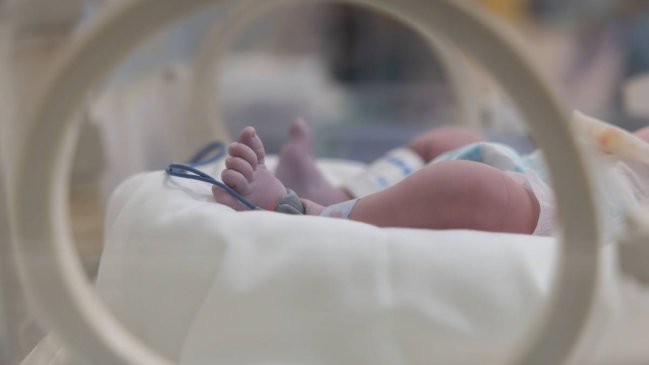
La Serena Hospital must pay $200 million for leaving baby with irreversible neurological damage
Translated from Spanish, summarized and contextualized by DistantNews.
At a glance
News
Sources not specified
Outcome reported
- A hospital in La Serena has been ordered to pay $200 million in compensation for medical negligence during a birth.
- The negligence resulted in a newborn suffering irreversible neurological damage.
- The court found the hospital's medical team acted negligently by delaying an emergency C-section despite a high-risk pregnancy.
The Third Civil Court of La Serena has ordered the San Juan de Dios Hospital to pay 200 million Chilean pesos in damages for medical negligence during a childbirth. The ruling stems from a case where a newborn suffered irreversible neurological damage due to delayed medical attention.
the acting negligent of the health center in the attention provided by the medical team that opted late for an emergency cesarean section and only in the face of the irruption of adverse clinical signs, despite the fact that the twin pregnancy was cataloged as high risk.
The lawsuit was filed by the child's mother, seeking compensation for moral damages for both herself and her son. The high-risk twin pregnancy concluded with severe consequences for the infant because the medical team's response was too slow. The court determined that the hospital acted negligently, opting for an emergency Cesarean section only after adverse clinical signs appeared, despite the pregnancy being classified as high-risk.
Furthermore, the court found that the health facility failed to adopt an appropriate delivery strategy for the high-risk conditions and did not implement all available therapeutic measures to mitigate harm once the hypoxic event occurred. These omissions and decisions were deemed to constitute a deficient service. A previous expert report confirmed severe and permanent neurological damage in the minor, leading to profound disability and lifelong dependence on medical care.
did not adopt the resolution strategy of the birth according to the accredited high-risk conditions, and on the other hand, did not deploy all available therapeutic measures to mitigate the damage once the hypoxic event occurred. Such omissions and decisions constitute a deficient functioning of the service.
The ruling also acknowledged moral damages for both the mother and son, considering the severity of the sequelae and the profound impact on their family life. The magistrate stated, "This judge considers, firstly, the severe and irreversible affectation to the physical and psychic integrity of the child, who has been left in a condition of profound disability, lifelong dependence, and substantial deprivation of opportunities for personal development; and, regarding his mother, her intense, continuous, and long-term emotional suffering, derived from her son's situation and the permanent caregiving burden that implies."
This judge considers, firstly, the severe and irreversible affectation to the physical and psychic integrity of the child, who has been left in a condition of profound disability, lifelong dependence, and substantial deprivation of opportunities for personal development; and, regarding his mother, her intense, continuous, and long-term emotional suffering, derived from her son's situation and the permanent caregiving burden that implies.
DistantNews Editorial
Originally published by Cooperativa in Spanish. Translated, summarized, and contextualized by our editorial team with added local perspective. Read our editorial standards.
More Stories



From Our Blog

What Gets Lost (and Found) When News Is Translated

The Critical Role of Diaspora Media in Global News

What Travellers Should Know About Countries with Restricted Press

A Digital Nomad's Guide to Following Local News

How the Same Story Looks Different in Different Countries
