


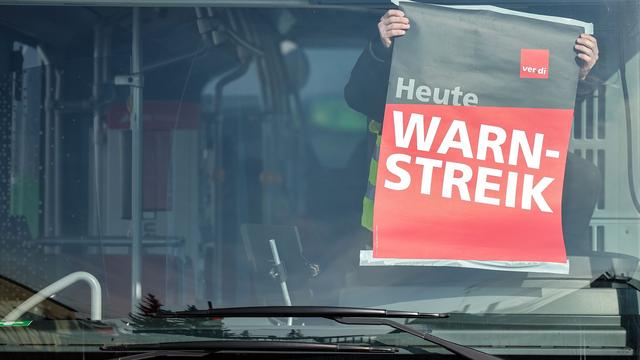
Labor disputes: 20 regional labor conflicts in Saxony in 2025
Translated from German, summarized and contextualized by DistantNews.
At a glance
News
From a news agency
Context piece
- Saxony recorded 20 regional labor disputes in the past year, ranking fourth nationally.
- The German Trade Union Confederation (DGB) is satisfied with this figure, emphasizing the need for strikes to achieve better wages and working conditions.
- The DGB attributes the disputes to low collective bargaining coverage and the persistent East-West wage gap, advocating for normalized collective agreements and fair wages.
Saxony recorded 20 regional labor disputes last year, a figure that has left the German Trade Union Confederation (DGB) satisfied. This places the state fourth nationally, behind North Rhine-Westphalia (27), Berlin (26), and Baden-Württemberg (21), according to a study by the Economic and Social Science Institute (WSI).
Higher wages and better working conditions do not fall from the sky, but must be fought for by employees and unions. When employers make no proper offers or refuse negotiations, labor disputes are necessary.
DGB's regional chairwoman, Daniela Kolbe, highlighted that "higher wages and better working conditions do not fall from the sky, but must be fought for by employees and unions." She stressed that labor disputes are necessary when employers refuse to make reasonable offers or engage in negotiations. Kolbe emphasized that securing fair collective agreements is crucial for employees, especially given the rising cost of living in recent years.
Kolbe attributed the increased willingness to strike to the low rate of collective bargaining coverage in the region. She noted that fewer regional disputes are necessary where area-wide collective agreements are in place. Another significant factor contributing to the disputes is the ongoing wage disparity between eastern and western Germany. Kolbe stated that these wage differences "rightfully disturb the sense of justice among employees and have a mobilizing effect."
The wage differences between East and West rightfully disturb the sense of justice among employees and have a mobilizing effect.
The DGB aims to make collective agreements and good wages the norm in Saxony. Kolbe advised employers to adopt a more forward-thinking approach, particularly in light of demographic changes. She criticized the practice of complaining about a shortage of skilled workers while simultaneously offering low wages and poor working conditions, calling it an unsustainable personnel policy for the future.
Complaining about a shortage of skilled workers while simultaneously offering employees low wages and poor working conditions is not a future-oriented personnel policy.
DistantNews Editorial
Originally published by Die Zeit in German. Translated, summarized, and contextualized by our editorial team with added local perspective. Read our editorial standards.
More Stories



From Our Blog

What Gets Lost (and Found) When News Is Translated

How the Same Story Looks Different in Different Countries

The Critical Role of Diaspora Media in Global News

What Travellers Should Know About Countries with Restricted Press

A Digital Nomad's Guide to Following Local News
