


Lake Constance hits historic July low, continues to fall
Translated from German, summarized and contextualized by DistantNews.
At a glance
News
From a news agency
Context piece
- Lake Constance is experiencing historically low water levels in July, 81 centimeters below the long-term average.
- This record low for July surpasses the previous record set in the drought year of 1976.
- Continued dry weather is expected to further lower the water level, impacting shipping and exposing lakebeds.
Lake Constance is experiencing its lowest water level for July since records began in 1850, standing 81 centimeters below the long-term average. The current level of 318 centimeters at the Constance gauge even dips below the previous July record of 323 centimeters set in the 1976 drought year.
This situation is particularly striking because Lake Constance typically holds a relatively high volume of water in early July, fed by Alpine meltwater. However, persistent drought over recent months, with significantly less rainfall than usual in May and June, has led to the current low.
The water level was therefore 81 centimeters below the long-term average for this day.
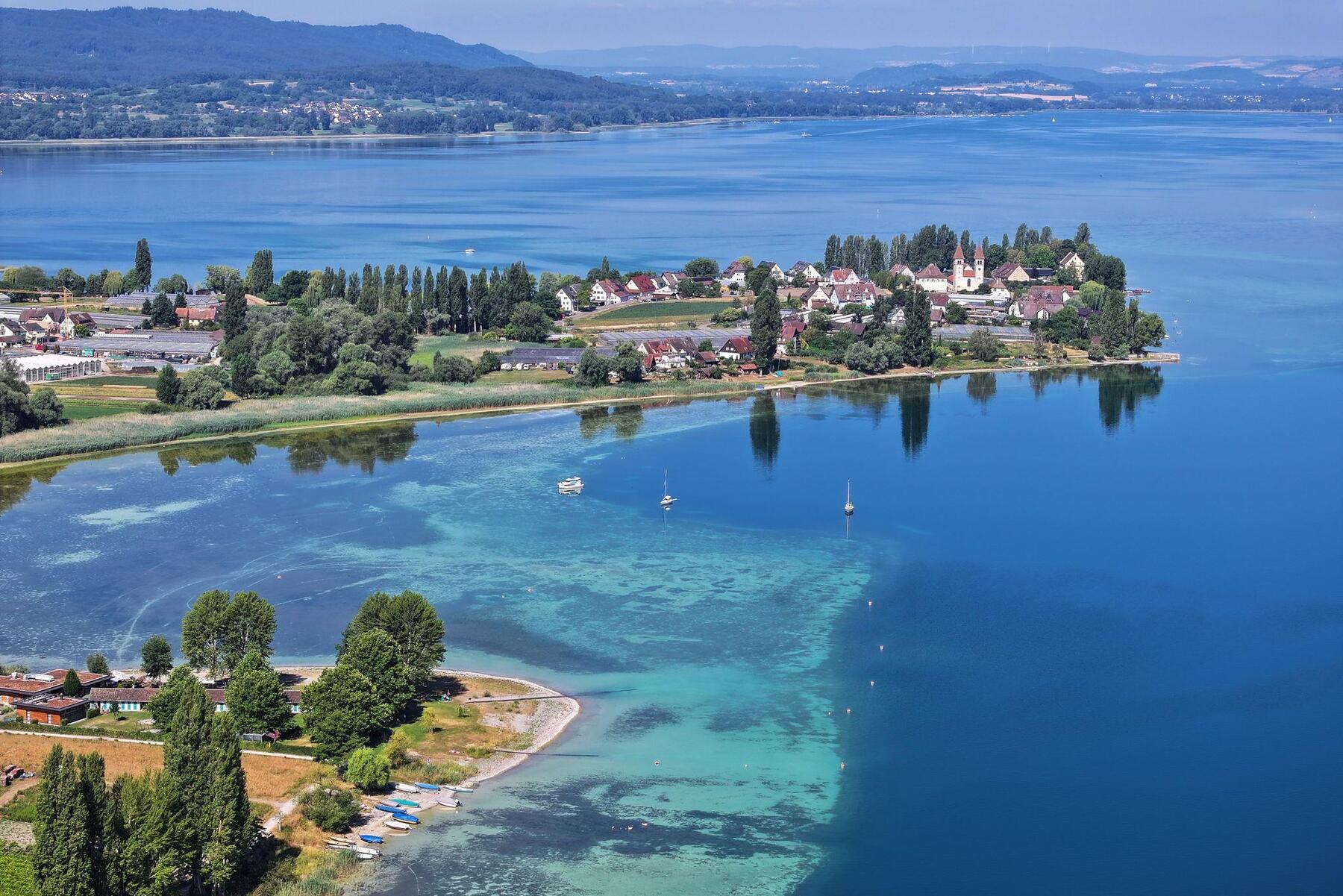
The consequences are already visible, with parts of the lakebed exposed near the island of Reichenau. The "White Fleet" excursion boats can no longer reach the Mannenbach landing on the Swiss side opposite the island. While other shipping services have not yet reported restrictions, the outlook is grim as no significant rainfall is forecast in the coming days.
While this is a record for July, the lake's lowest levels typically occur in winter. The all-time lowest recorded level was 276 centimeters on February 9. The lake follows a natural annual rhythm, peaking in early summer and declining through autumn and winter as Alpine precipitation falls as snow instead of flowing into the lake.
The previous record low for July 7 was surpassed by two centimeters.
DistantNews Editorial
Originally published by Die Presse in German. Translated, summarized, and contextualized by our editorial team with added local perspective. Read our editorial standards.
More Stories


From Our Blog

What Gets Lost (and Found) When News Is Translated

The Critical Role of Diaspora Media in Global News

What Travellers Should Know About Countries with Restricted Press

A Digital Nomad's Guide to Following Local News

How the Same Story Looks Different in Different Countries
