

Lam Dong collects DNA samples from 651 unidentified martyrs' graves
Translated from Vietnamese, summarized and contextualized by DistantNews.
At a glance
News
Named sources
Ongoing story
- Lam Dong province is collecting DNA samples from 651 unidentified martyrs' graves at the Lam Dong Martyrs' Cemetery.
- The initiative aims to use DNA testing to identify the remains and return the names of fallen soldiers to their families.
- The project is expected to be completed by July 21, with the goal of completing the database of martyrs and identifying unknown soldiers.
In Vietnam's Lam Dong province, a significant effort is underway to identify the remains of fallen soldiers. The provincial Steering Committee 515 has begun collecting DNA samples and digitizing data from 651 martyrs' graves at the Lam Dong Martyrs' Cemetery. This initiative aims to use DNA forensics to determine the identities of soldiers whose information is currently unknown, thereby returning their names to their families.
The Lam Dong Martyrs' Cemetery is the final resting place for over 2,000 soldiers who died defending the nation during various resistance wars. However, the identities of 651 of these heroes remain unconfirmed. To address this, five working groups have been established to collect samples from different sections of the cemetery, with a target completion date of July 21.
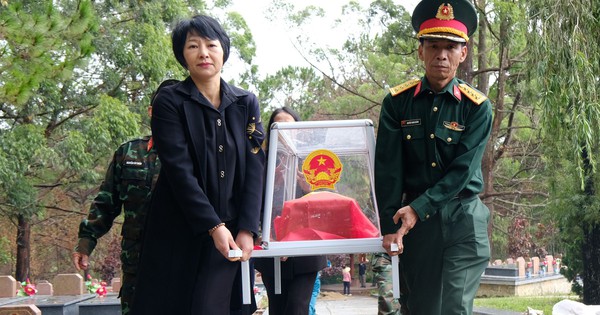
Before commencing the technical work, officials, soldiers, and committee members paid their respects with incense and flowers at the memorial and the graves, expressing gratitude for the sacrifices made for the nation's independence and freedom. At each unidentified grave, personnel meticulously recorded data on-site, including the grave's location, any inscriptions on the headstone, related records, and the biological sample for DNA analysis and archival purposes.
The sample collection process adheres strictly to technical protocols, minimizing disturbance to the graves. After carefully opening the graves according to procedure, specialized staff collect bone samples for DNA testing before restoring the graves to their original state. The collected biological samples are chosen based on the condition of the remains to meet the requirements for DNA identification. This project is expected not only to complete the database of martyrs but also to offer families who have longed for decades the opportunity to find their lost relatives.
The collection of DNA samples and digitization of information for the 651 unidentified martyrs' graves will not only contribute to completing the database of martyrs but also open up opportunities to identify unknown martyrs, helping many families who have been waiting for decades to find their relatives.
DistantNews Editorial
Originally published by Thanh Niên in Vietnamese. Translated, summarized, and contextualized by our editorial team with added local perspective. Read our editorial standards.
More Stories


From Our Blog

What Gets Lost (and Found) When News Is Translated

The Critical Role of Diaspora Media in Global News

What Travellers Should Know About Countries with Restricted Press

A Digital Nomad's Guide to Following Local News

How the Same Story Looks Different in Different Countries
