


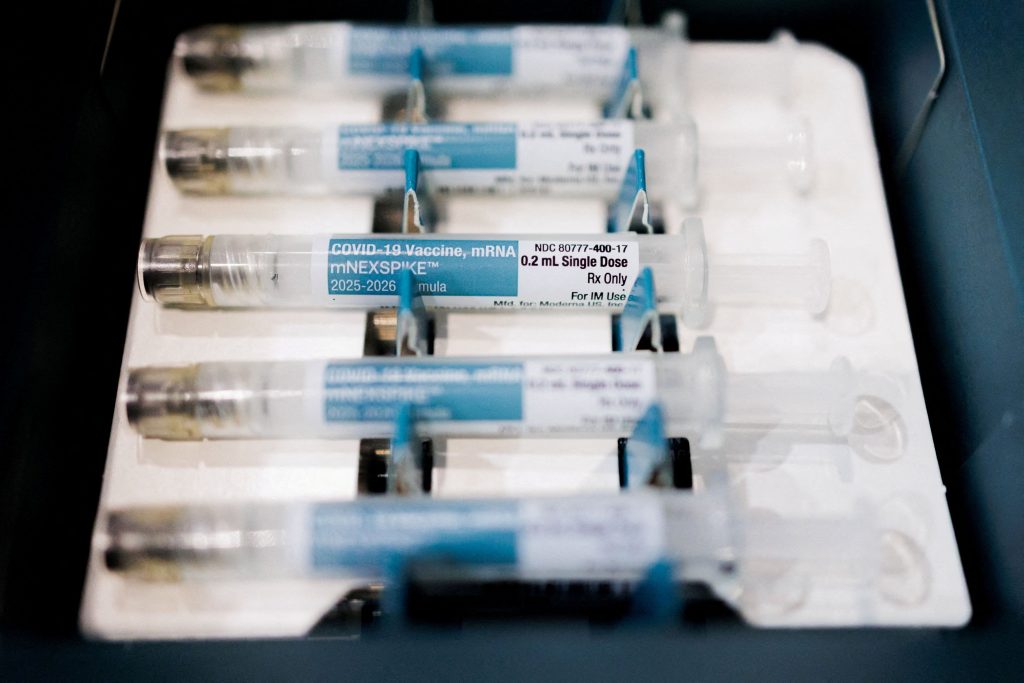
Lancet review: mRNA COVID-19 vaccines safe and highly effective
Translated from Greek, summarized and contextualized by DistantNews.
At a glance
Analysis
Documents & data
Context piece
- mRNA vaccines against COVID-19 are safe and highly effective, with significant protection against infection, hospitalization, and death, according to a large review in The Lancet.
- While protection wanes over time and varies by age, booster shots restore efficacy, and the technology shows promise for future vaccines and cancer treatments.
- Serious side effects are extremely rare, and the benefits of vaccination far outweigh the risks, though equitable access and clear public information remain crucial.
COVID-19 mRNA vaccines are safe and highly effective, offering robust protection against infection, hospitalization, and death, a comprehensive review published in The Lancet confirms. The study, which analyzed billions of vaccine doses administered globally, found an approximate 87% efficacy against symptomatic infection, 93% against hospitalization, and 94% against death within 14 to 42 days post-vaccination.
While the protective immunity diminishes over time and differs across age groups, the review highlights that booster doses effectively restore this protection. Ongoing monitoring of data indicates that protection is maintained even with the emergence of new virus variants. This reinforces the strong scientific evidence supporting the excellent safety profile of mRNA vaccines, with severe adverse events being exceptionally rare.
Incidents of myocarditis and pericarditis, though slightly more common after the second dose, occurred at rates of approximately 12.6 per million doses for Pfizer and 35.6 per million for Moderna. The review emphasizes that the benefit of preventing severe illness, hospitalization, and death significantly outweighs these potential risks. The increased risk of myocarditis or pericarditis, particularly in males aged 12-19, remains substantially lower than the risk associated with SARS-CoV-2 infection itself. Other severe side effects, such as anaphylaxis and Guillain-Barre syndrome, were also found to be very rare.
The review also points to the broader potential of mRNA technology. Researchers suggest it could pave the way for new vaccines against influenza, respiratory syncytial virus (RSV), and other infectious diseases. Furthermore, the technology holds promise for developing personalized cancer vaccines and RNA-based therapies. The study authors stress the importance of equitable vaccine access, enhancing production in low- and middle-income countries, and improving storage and distribution infrastructure. Clear, evidence-based public communication about vaccine safety and efficacy is also deemed critical for building public trust and combating misinformation.
DistantNews Editorial
Originally published by Ta Nea in Greek. Translated, summarized, and contextualized by our editorial team with added local perspective. Read our editorial standards.
More Stories


From Our Blog

What Gets Lost (and Found) When News Is Translated

The Critical Role of Diaspora Media in Global News

What Travellers Should Know About Countries with Restricted Press

A Digital Nomad's Guide to Following Local News

How the Same Story Looks Different in Different Countries
