



Land defense with moors and floodplains: Renaturation against Russian tanks
Translated from German, summarized and contextualized by DistantNews.
At a glance
News
Sources not specified
Context piece
- Biologists suggest using bogs and wetlands to secure NATO's eastern flank against potential Russian aggression.
- The article questions whether military considerations could advance European nature conservation efforts.
- It references Ukraine's successful defense of Kyiv by flooding land, hindering Russian advances.
Biologists are proposing an unconventional strategy for securing NATO's eastern flank: utilizing bogs and wetlands. This concept suggests that these natural landscapes could serve as a defensive barrier against potential Russian military advances, raising questions about whether military imperatives might inadvertently drive European nature conservation forward.
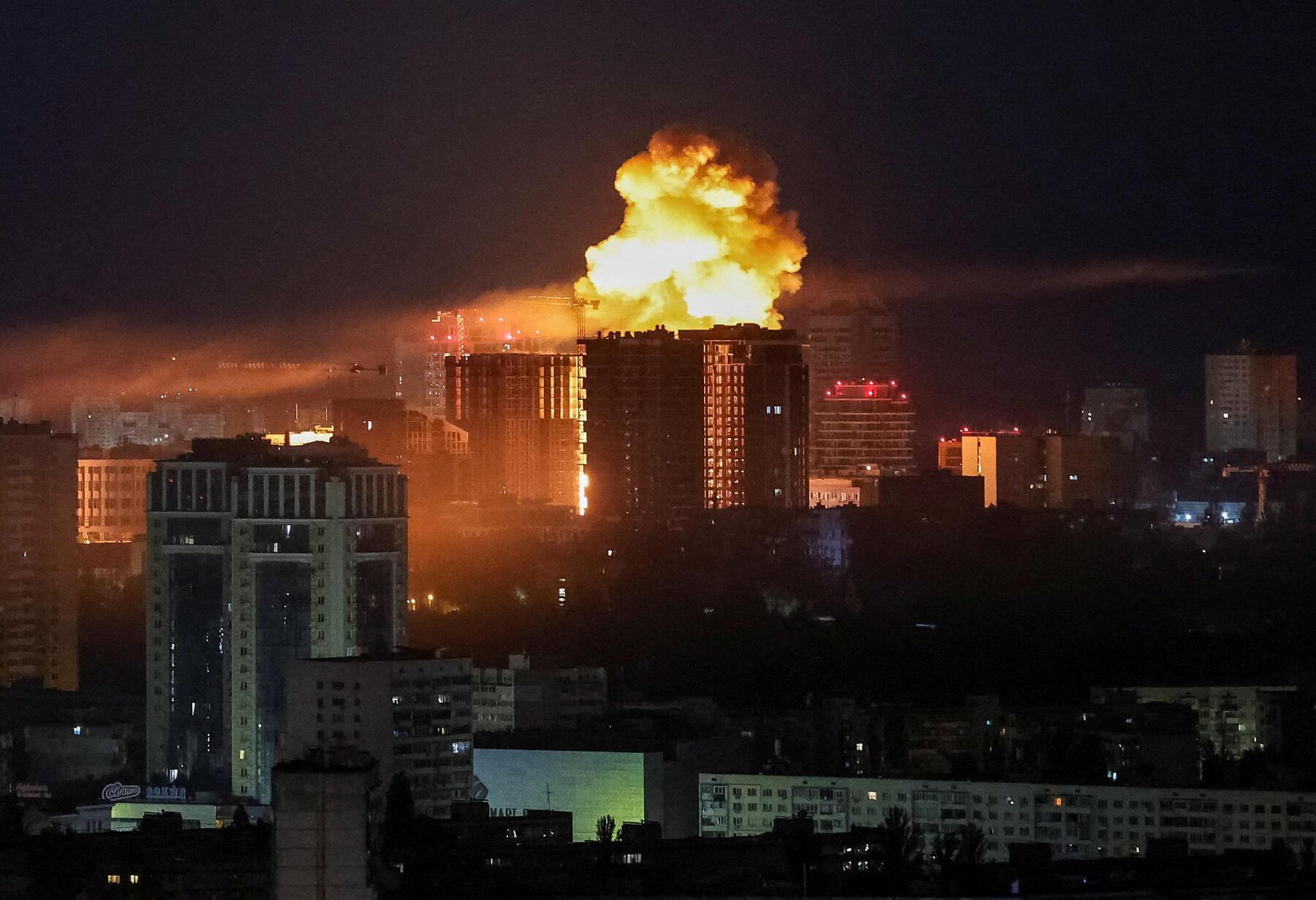
The article draws a parallel to Ukraine's defense of Kyiv in the early days of Russia's invasion. In February 2022, Ukrainian forces successfully repelled Russian troops aiming for the capital by detonating a dam, flooding approximately 13,000 hectares of land. This strategic use of water and mud proved instrumental in halting the advance, demonstrating the potential of natural terrain in modern warfare.
This innovative approach, termed 'eco-warfare,' highlights a potential synergy between environmental preservation and national defense. As Europe faces ongoing security challenges, the idea of leveraging natural ecosystems for strategic advantage could reshape conservation efforts and military planning alike.
DistantNews Editorial
Originally published by Der Standard in German. Translated, summarized, and contextualized by our editorial team with added local perspective. Read our editorial standards.
More Stories


From Our Blog

What Gets Lost (and Found) When News Is Translated

The Critical Role of Diaspora Media in Global News

What Travellers Should Know About Countries with Restricted Press

A Digital Nomad's Guide to Following Local News

How the Same Story Looks Different in Different Countries
